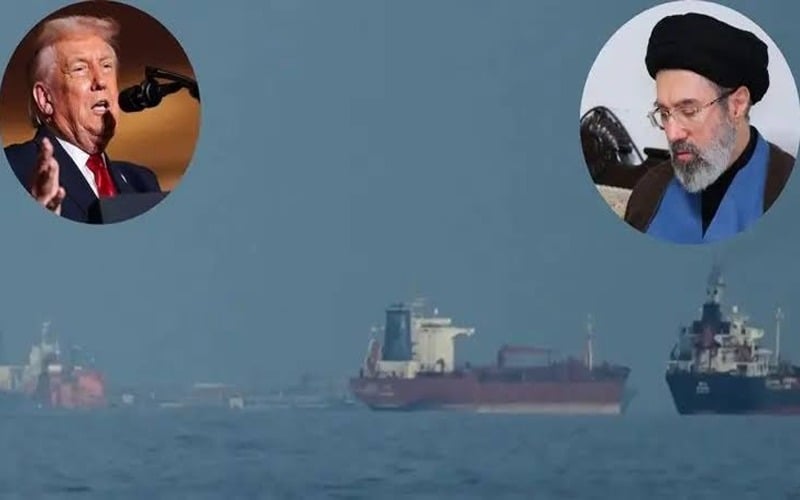
CAIRO/WASHINGTON/BEIRUT: Tensions between the United States and Iran have entered a new phase as President Donald Trump reimposed a naval blockade on Iranian ports, while Tehran warned of broader regional action after closing the strategic Strait of Hormuz.
The escalating confrontation has raised fears of major disruptions to global energy supplies, as the key waterway handles nearly one-fifth of the world’s oil and gas shipments.
US intensifies pressure with fresh strikes
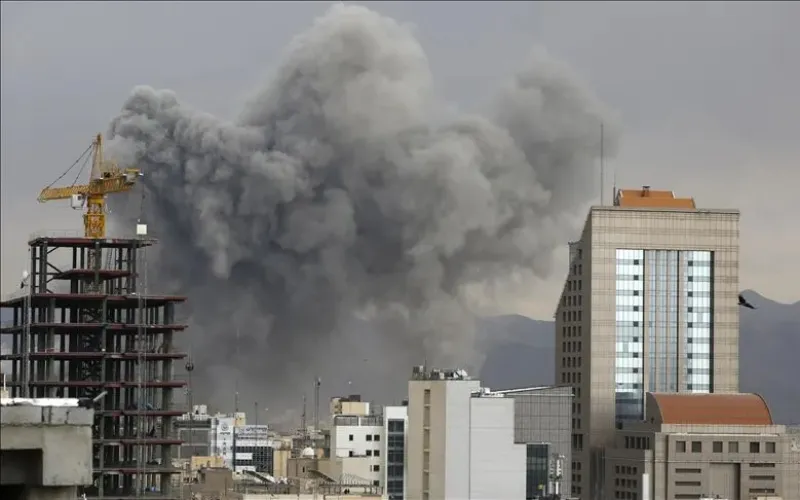
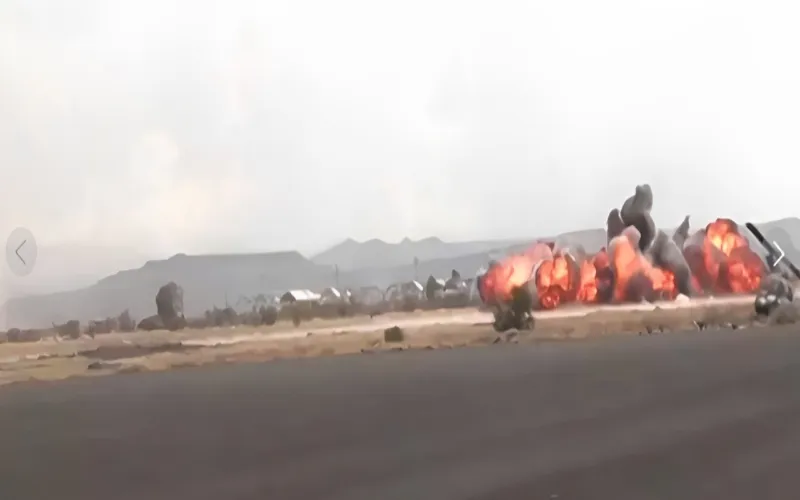
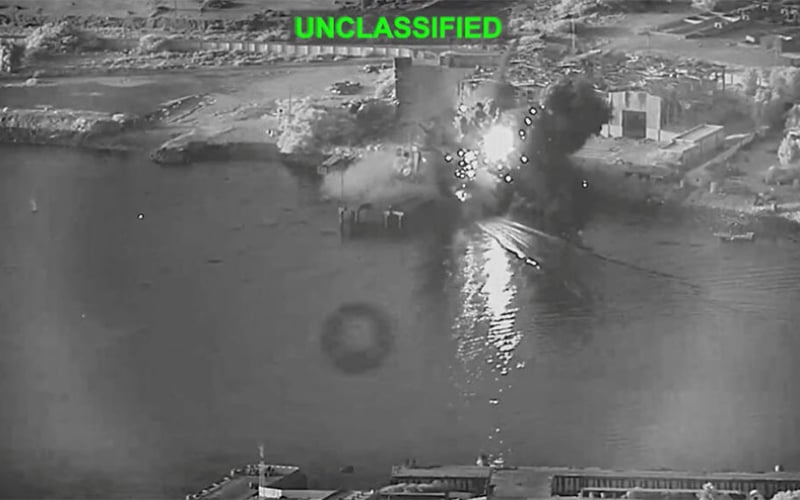
The United States has launched another round of military strikes aimed at weakening Iran’s ability to target commercial shipping in the Strait of Hormuz, according to the US military.
President Trump warned that Washington could strike Iranian power plants and bridges next week if Tehran does not return to negotiations.
“I’ll save the energy targets for last, but ultimately we’ll hit energy targets,” Trump said in an interview with Fox News.
He added that “next week comes the power plants, next week comes the bridges” unless Iran agrees to resume talks.
Iran warns of wider energy disruptions
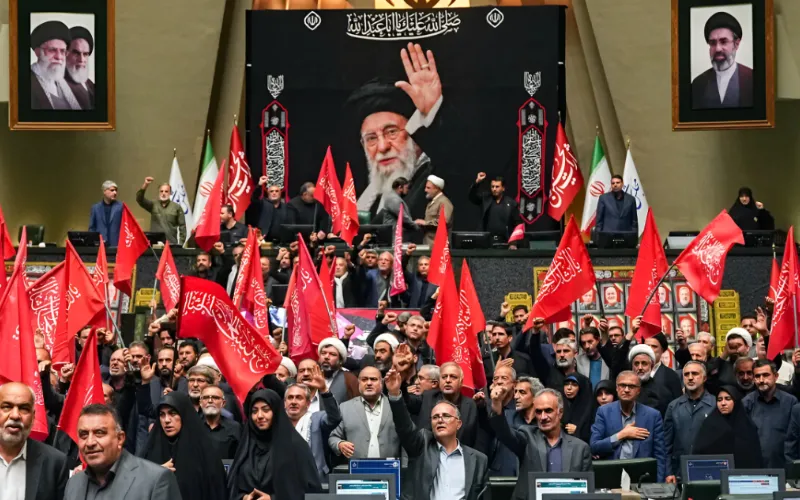
Iran’s Islamic Revolutionary Guard Corps (IRGC) has threatened to block additional export routes used by the United States and its allies.
“Regional energy exports are either shared by all, or denied to all,” the IRGC said in a statement carried by Iran’s state news agency IRNA.
The group said the Strait of Hormuz would remain closed until what it described as the end of US “acts of aggression.”
Read More: US, Iran exchange fresh strikes as Strait of Hormuz tensions escalate
Iranian forces also claimed drone attacks against US positions at Jordan’s Azraq base, while the IRGC said it targeted military facilities linked to US forces in Bahrain and Kuwait.
The Pentagon has not immediately responded to the claims.
Strait of Hormuz shutdown raises global shipping concerns
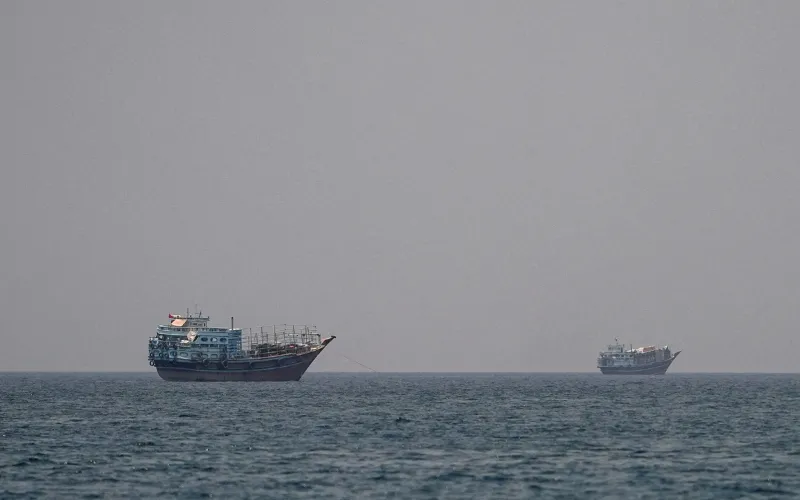
The closure of the Strait of Hormuz has increased concerns over global trade and energy supplies, with analysts warning that any prolonged disruption could have major economic consequences.
The waterway is one of the world’s most important shipping routes, connecting the Persian Gulf with international markets.
Analysts have also warned that Iran-backed Houthi forces in Yemen could potentially expand attacks toward the Bab el-Mandeb Strait, another critical route connecting the Red Sea to the Gulf of Aden.
Any disruption to both waterways could create further pressure on global oil markets and shipping networks.
Military exchanges continue
The US military said it carried out strikes near the Strait of Hormuz and Iranian coastal areas to reduce Iran’s ability to target commercial vessels.
Washington said Iran had attacked several commercial ships in recent days, causing deaths, injuries, and disappearances among crew members.
Iranian state media reported that US strikes hit locations near Bandar Abbas and Sirik in southern Iran.
Meanwhile, Iran claimed it had targeted US military-linked facilities, including sites connected to the US Fifth Fleet in Bahrain and a logistics facility in Kuwait.
Kuwait reported that a fire caused by an attack had been brought under control, while Jordan said its air defenses intercepted missiles entering its territory from Iran.
Diplomatic efforts face growing challenges
The latest escalation has weakened hopes of restoring a June truce agreement that had temporarily reduced tensions following months of fighting.
Iranian Deputy Foreign Minister Kazem Gharibabadi said Tehran would not return to negotiations under military pressure.
“If the US thinks that by tightening its measures against us, its military actions and economic blockade, we will return to negotiations, it is making a mistake,” he said.
Trump said US officials had contacted Iranian representatives and urged Tehran to reach a diplomatic agreement.
Oil prices rise amid uncertainty
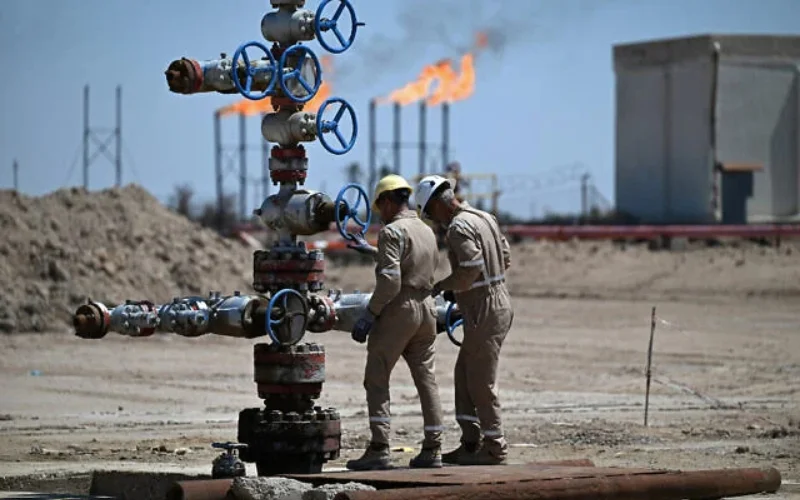
Global oil markets reacted sharply to the worsening tensions, with crude prices climbing as investors feared further disruptions to energy supplies.
Brent crude and US West Texas Intermediate (WTI) reached their highest levels in weeks following the latest developments.
As military actions continue and diplomatic efforts remain uncertain, concerns are growing that a prolonged conflict could further destabilize global energy markets and international shipping routes.