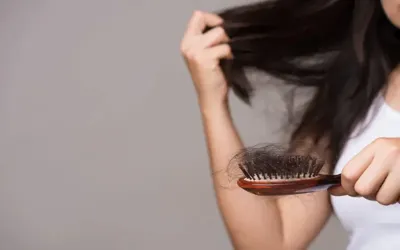
Winter brings cozy clothes and hot drinks, but for many people, it also means increased hair fall. During this season, more hair is often noticed in combs, and scalp dryness tends to rise.
Experts explain that changes in weather, low humidity, and daily habits can weaken hair and make it more prone to breakage. Cold air reduces moisture in the scalp, causing itching and flakiness, which can damage hair roots. Washing hair frequently with hot water further removes natural oils, leaving hair dry and fragile.
Indoor heating and blowers, commonly used in homes during winter, worsen the problem by drying the surrounding air. Continuous exposure to dry environments prevents the scalp from retaining moisture, making hair dull and lifeless.
Although this situation is usually temporary, without proper care, hair fall can become more noticeable. Low water intake during cold months, combined with a diet lacking in protein, iron, zinc, and vitamin D, can negatively affect hair growth. A balanced diet is essential not just for overall health but also for maintaining strong and healthy hair.
Stress, irregular sleep, and seasonal lethargy also play a role, as they affect hormone levels and disrupt the natural hair growth cycle. Temporary hair loss can occur when stress interferes with these cycles, and it may take a few weeks for hair to return to normal if the underlying issues persist.
To reduce winter hair fall, experts suggest using mild, moisturizing shampoos and washing hair with lukewarm water instead of very hot water. Regular scalp massages with oils such as coconut, almond, olive, or castor oil improve blood circulation and strengthen hair roots.
A balanced diet including eggs, fish, lentils, vegetables, nuts, and yogurt, along with adequate water intake, supports hair health. Using a humidifier at home can help maintain scalp moisture when heaters are in use. It is also important to avoid tying hair too tightly or combing wet hair roughly, as these practices increase breakage.
People should consult a dermatologist if hair fall continues for several weeks, if there is severe itching or sores on the scalp, or if hair starts falling excessively all at once.
In some cases, hair loss can indicate hormonal imbalances or nutritional deficiencies. With proper care, attention to diet, and a few simple precautions, hair can remain healthy, strong, and resilient even during the cold winter months. By adopting these habits, it is possible to enjoy winter without worrying about excessive hair fall.