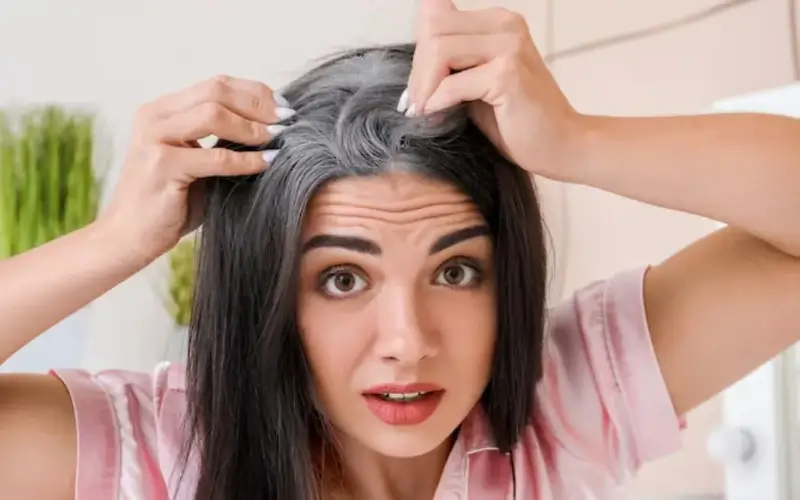
Premature graying of hair is a common concern affecting many people worldwide. While gray hair is a natural part of aging, some individuals begin noticing gray strands much earlier than expected, sometimes during their teenage years or twenties. Although premature graying is generally harmless, it can affect self-confidence and raise concerns about overall health.
Hair gets its natural color from a pigment called melanin, which is produced by specialized cells known as melanocytes. As people age, these cells gradually produce less melanin, causing hair to turn gray or white. However, when this process occurs earlier than usual, it is referred to as premature graying.
Several factors can contribute to premature graying. Genetics is one of the most significant causes. If parents or close relatives experienced early graying, there is a higher chance that younger family members may face the same issue. Nutritional deficiencies can also play a role. Low levels of vitamin B12, iron, copper, zinc, and folic acid have been linked to changes in hair pigmentation.
Stress is another factor often associated with premature graying. Although research is still ongoing, chronic stress may affect the body’s ability to maintain healthy pigment-producing cells. Certain medical conditions, such as thyroid disorders, autoimmune diseases, and anemia, can also contribute to early hair discoloration. Additionally, smoking has been linked to an increased risk of premature graying due to the harmful effects of toxins on hair follicles.
While it may not always be possible to completely prevent premature graying, several healthy lifestyle habits can help reduce the risk. Maintaining a balanced diet rich in vitamins, minerals, fruits, vegetables, and protein supports overall hair health. Foods containing antioxidants may help protect cells from damage caused by free radicals.
Managing stress through regular exercise, meditation, adequate sleep, and relaxation techniques can also promote healthier hair. Avoiding smoking is strongly recommended, as it benefits both hair and overall health. Regular medical checkups can help identify and treat underlying health conditions that may contribute to early graying.
It is important to remember that premature graying is often influenced by genetics and may not always be preventable. However, adopting healthy habits and ensuring proper nutrition can support hair health and potentially slow the process. If sudden or excessive graying occurs, consulting a healthcare professional can help determine whether an underlying medical condition requires attention.