Shahid Anwar, Economic Analyst and former secretary general of Federation of Pakistan chambers of Commerce and Industry (FPCCI) has stated that Pakistan has already paid a heavy economic price for climate vulnerability.
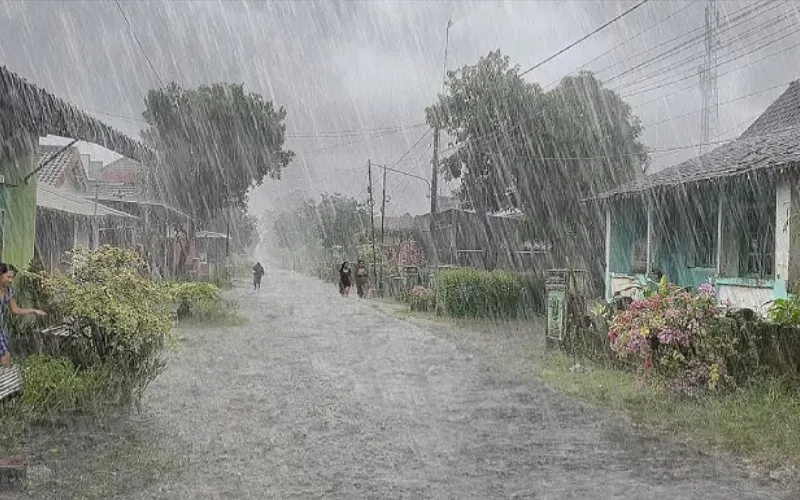
With another monsoon season approaching, the critical question is whether we are building resilience or preparing for another cycle of damage and recovery.
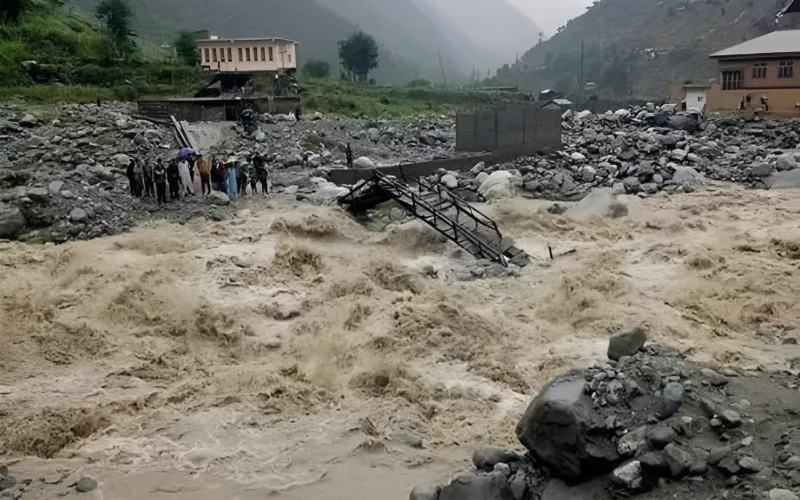
𝗧𝗵𝗲 𝗱𝗲𝘃𝗮𝘀𝘁𝗮𝘁𝗶𝗻𝗴 𝟮𝟬𝟮𝟮 𝗳𝗹𝗼𝗼𝗱𝘀 𝗰𝗮𝘂𝘀𝗲𝗱 𝗮𝗿𝗼𝘂𝗻𝗱 𝗨𝗦$𝟯𝟬 𝗯𝗶𝗹𝗹𝗶𝗼𝗻 𝗶𝗻 𝗱𝗮𝗺𝗮𝗴𝗲𝘀 𝗮𝗻𝗱 𝗲𝗰𝗼𝗻𝗼𝗺𝗶𝗰 𝗹𝗼𝘀𝘀𝗲𝘀, 𝗮𝗳𝗳𝗲𝗰𝘁𝗲𝗱 𝗻𝗲𝗮𝗿𝗹𝘆 𝟯𝟯 𝗺𝗶𝗹𝗹𝗶𝗼𝗻 𝗽𝗲𝗼𝗽𝗹𝗲, and created reconstruction needs exceeding US$16 billion, according to the Post Disaster Needs Assessment.
Following the disaster, Pakistan secured international climate support, including commitments of around US$10.9 billion under the Resilient Recovery, Rehabilitation and Reconstruction Framework (4RF) with development partners.
But the real measure of success is not the amount of climate finance committed. It is the impact created on the ground. Are these resources reducing future risks, protecting vulnerable communities and strengthening Pakistan’s economic resilience?
Pakistan’s climate challenge is no longer about recognizing the problem. It is about implementation, accountability and measurable outcomes.
𝙆𝙚𝙮 𝙥𝙧𝙞𝙤𝙧𝙞𝙩𝙞𝙚𝙨 𝙛𝙤𝙧 𝙪𝙧𝙜𝙚𝙣𝙩 𝙖𝙩𝙩𝙚𝙣𝙩𝙞𝙤𝙣:
* 𝗖𝗹𝗶𝗺𝗮𝘁𝗲 𝗙𝗶𝗻𝗮𝗻𝗰𝗲 𝗔𝗰𝗰𝗼𝘂𝗻𝘁𝗮𝗯𝗶𝗹𝗶𝘁𝘆: Establish a transparent tracking mechanism showing funds received, projects completed, areas covered and measurable results.
* 𝗡𝗮𝘁𝗶𝗼𝗻𝗮𝗹 𝗙𝗹𝗼𝗼𝗱 𝗥𝗶𝘀𝗸 𝗠𝗮𝗽𝗽𝗶𝗻𝗴: Develop a dynamic risk map identifying vulnerable districts, critical infrastructure and economic assets exposed to climate threats.
* 𝗖𝗹𝗶𝗺𝗮𝘁𝗲 𝗥𝗲𝘀𝗶𝗹𝗶𝗲𝗻𝘁 𝗨𝗿𝗯𝗮𝗻 𝗣𝗹𝗮𝗻𝗻𝗶𝗻𝗴: Make climate risk assessments mandatory for major housing, commercial and infrastructure projects.
* 𝗣𝗿𝗲𝘃𝗲𝗻𝘁𝗶𝗼𝗻 𝗢𝘃𝗲𝗿 𝗥𝗲𝗰𝗼𝗻𝘀𝘁𝗿𝘂𝗰𝘁𝗶𝗼𝗻: Shift investment from repeatedly repairing damage towards reducing future risks.
* 𝗖𝗹𝗶𝗺𝗮𝘁𝗲 𝗥𝗶𝘀𝗸 𝗠𝗮𝗻𝗮𝗴𝗲𝗺𝗲𝗻𝘁: Encourage businesses, banks and insurers to assess climate exposure and develop resilience strategies.
Floods are no longer only a disaster management issue. They are a fiscal, economic and development challenge affecting agriculture, exports, businesses and public finances.
𝗧𝗵𝗲 𝘀𝘂𝗰𝗰𝗲𝘀𝘀 𝗼𝗳 𝗰𝗹𝗶𝗺𝗮𝘁𝗲 𝗴𝗼𝘃𝗲𝗿𝗻𝗮𝗻𝗰𝗲 𝘄𝗶𝗹𝗹 𝗹𝗮𝗿𝗴𝗲𝗹𝘆 𝗱𝗲𝗽𝗲𝗻𝗱 𝗼𝗻 𝗵𝗼𝘄 𝗲𝗳𝗳𝗲𝗰𝘁𝗶𝘃𝗲𝗹𝘆 𝘄𝗲 𝗽𝗿𝗲𝘃𝗲𝗻𝘁 𝗮𝘃𝗼𝗶𝗱𝗮𝗯𝗹𝗲 𝗹𝗼𝘀𝘀𝗲𝘀 𝗯𝗲𝗳𝗼𝗿𝗲 𝘁𝗵𝗲𝘆 𝗼𝗰𝗰𝘂𝗿.
𝗣𝗮𝗸𝗶𝘀𝘁𝗮𝗻 𝗺𝘂𝘀𝘁 𝗲𝗻𝘀𝘂𝗿𝗲 𝘁𝗵𝗮𝘁 𝗰𝗹𝗶𝗺𝗮𝘁𝗲 𝗳𝗶𝗻𝗮𝗻𝗰𝗲 𝗱𝗲𝗹𝗶𝘃𝗲𝗿𝘀 𝗰𝗹𝗶𝗺𝗮𝘁𝗲 𝗿𝗲𝘀𝗶𝗹𝗶𝗲𝗻𝗰𝗲, 𝗻𝗼𝘁 𝗷𝘂𝘀𝘁 𝗰𝗹𝗶𝗺𝗮𝘁𝗲 𝘀𝗽𝗲𝗻𝗱𝗶𝗻𝗴.