ISLAMABAD: As tensions between Iran and the United States continue to put the region on edge, Pakistan stepped up its diplomatic push Monday with a high-level visit to Tehran led by Field Marshal Syed Asim Munir and Interior Minister Mohsin Naqvi.
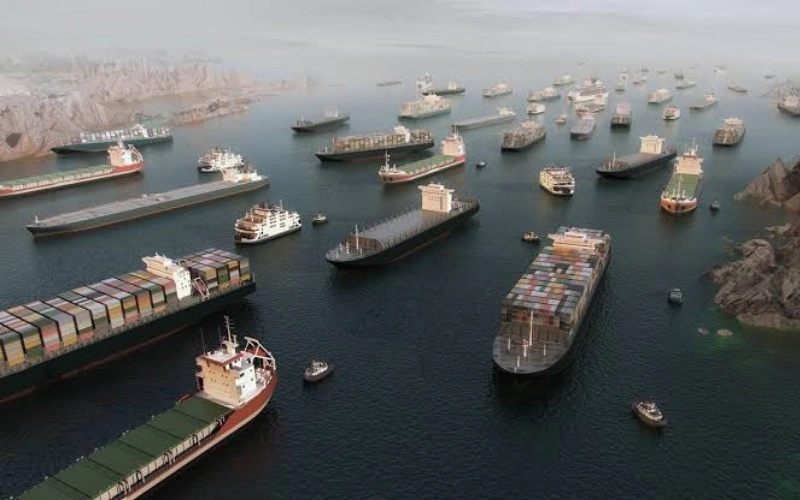
The talks with Iranian leaders focused on easing the conflict, reopening the Strait of Hormuz and reviving the Islamabad-brokered agreement, as Islamabad seeks to keep negotiations alive and push the region toward a lasting settlement.
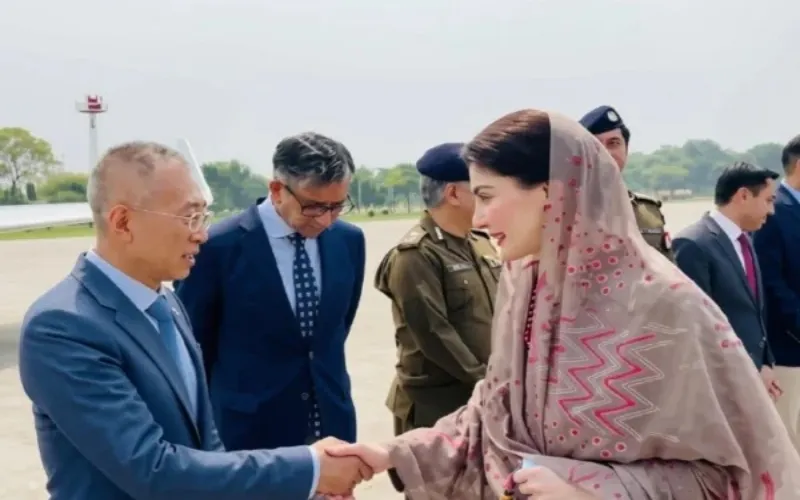
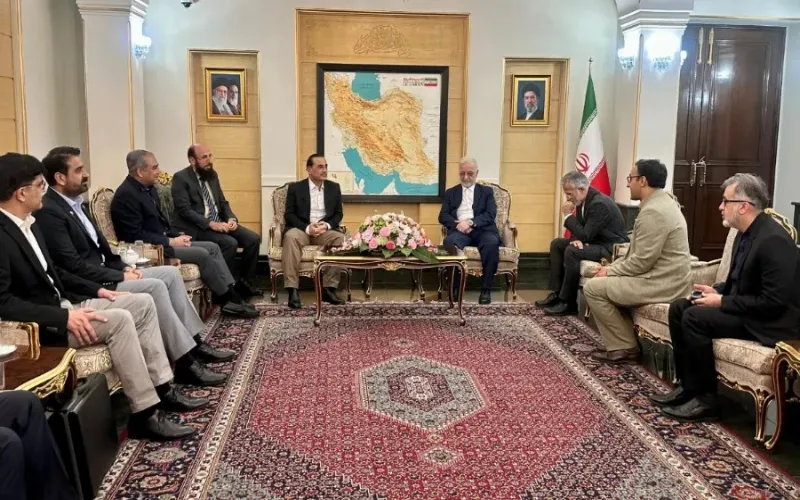
Munir, who serves as chief of Army staff and Chief of Defence Forces, and Naqvi met Iranian President Masoud Pezeshkian and other senior officials during their daylong visit, according to Pakistan’s military media wing, Inter-Services Public Relations (ISPR).
Naqvi said the discussions made “significant progress” and ended on a highly positive note. In a post on X early Tuesday, he said the talks focused on the Iran-U.S. conflict, rising tensions in the Middle East and steps needed to restore the Islamabad Memorandum of Understanding and work toward a comprehensive settlement.
“Field Marshal Syed Asim Munir and I had a very positive and productive meeting with the President of Iran,” Naqvi said.
Field Marshal Syed Asim Munir and I had a very positive and productive meeting with the President of Iran. Our discussion focused on the Iran US conflict, tensions in the Middle East and the way forward, as well as the steps needed by both sides for restoration of the Islamabad… https://t.co/jt1wtlESCa
— Mohsin Naqvi (@MohsinnaqviC42) August 24, 2026
He said Pezeshkian openly shared Iran’s position and concerns, describing the exchange as constructive. Naqvi expressed hope that the momentum would lead to further progress and lasting peace in the region.
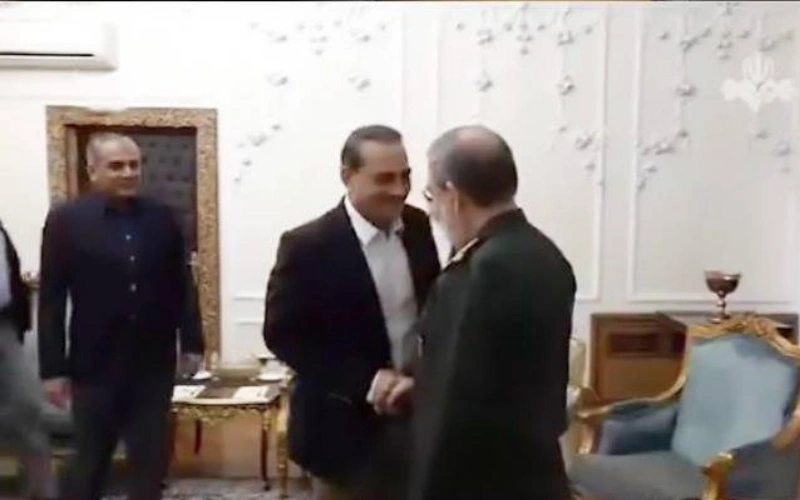
During the visit, Munir also met Mohsen Rezaei, the Supreme Leader’s representative on the Supreme National Security Council Parliament Speaker Mohammad Bagher Ghalibaf, Foreign Minister Seyed Abbas Araghchi, and Interior Minister Eskandar Momeni.
According to ISPR, the meetings centered on preventing further escalation, reopening the Strait of Hormuz and expediting an end to the conflict. The officials also discussed regional peace and possible pathways toward a negotiated settlement.
Moments from the meeting between Major General Mohsen Rezaei and Marshal Asim Munir in Tehran. pic.twitter.com/O2qLagHy2B
— IRIB (Islamic Republic of Iran Broadcasting) (@iribnews_irib) August 24, 2026
Iranian leaders appreciated Pakistan’s efforts to facilitate dialogue and de-escalation, according to ISPR.
Pezeshkian, according to Iran’s state-run IRNA news agency, called for changes in U.S. policy toward Tehran and urged strict adherence to the Islamabad agreement. He also emphasized stronger cooperation among Muslim countries to address regional security challenges.
The Iranian president urged Washington to respect international law and its commitments toward Iran, saying reliance on pressure and coercion could further complicate diplomatic efforts.
Pezeshkian also highlighted Iran’s resilience in the face of external pressure and said national unity would help the country withstand ongoing challenges. He expressed readiness to expand economic, political and security cooperation with neighboring Muslim countries.
Munir praised Pezeshkian’s efforts toward regional stability and stressed that sustained diplomatic engagement would be necessary to achieve a comprehensive agreement. He also pointed to the longstanding historical, religious and cultural ties between Pakistan and Iran as a foundation for closer cooperation.
Pakistan has sought to play a mediating role in the Iran-U.S. conflict and helped broker an Islamabad memorandum of understanding in June. However, subsequent negotiations have stalled.
Pakistan’s Army Chief Munir and Interior Minister Naqvi depart Tehran after Iran’s Interior Minister Momeni sees them off.
Follow: https://t.co/oa9JV4iSOo pic.twitter.com/tsALdG8Fdc
— Press TV 🔻 (@PressTV) August 24, 2026
Munir’s Tehran visit came after U.S. President Donald Trump spoke with the Pakistani military chief last week, according to a U.S. source familiar with the matter cited by AFP.
The diplomatic push comes as Washington increases economic pressure on Tehran. U.S. Treasury Secretary Scott Bessent on Monday announced plans to intensify sanctions against Iran and warned countries of consequences if they do not cooperate with the U.S. campaign.
The latest talks underscore Islamabad’s effort to keep diplomatic channels open as the conflict continues to raise concerns over regional security, economic stability and the safe passage of vessels through the Strait of Hormuz.