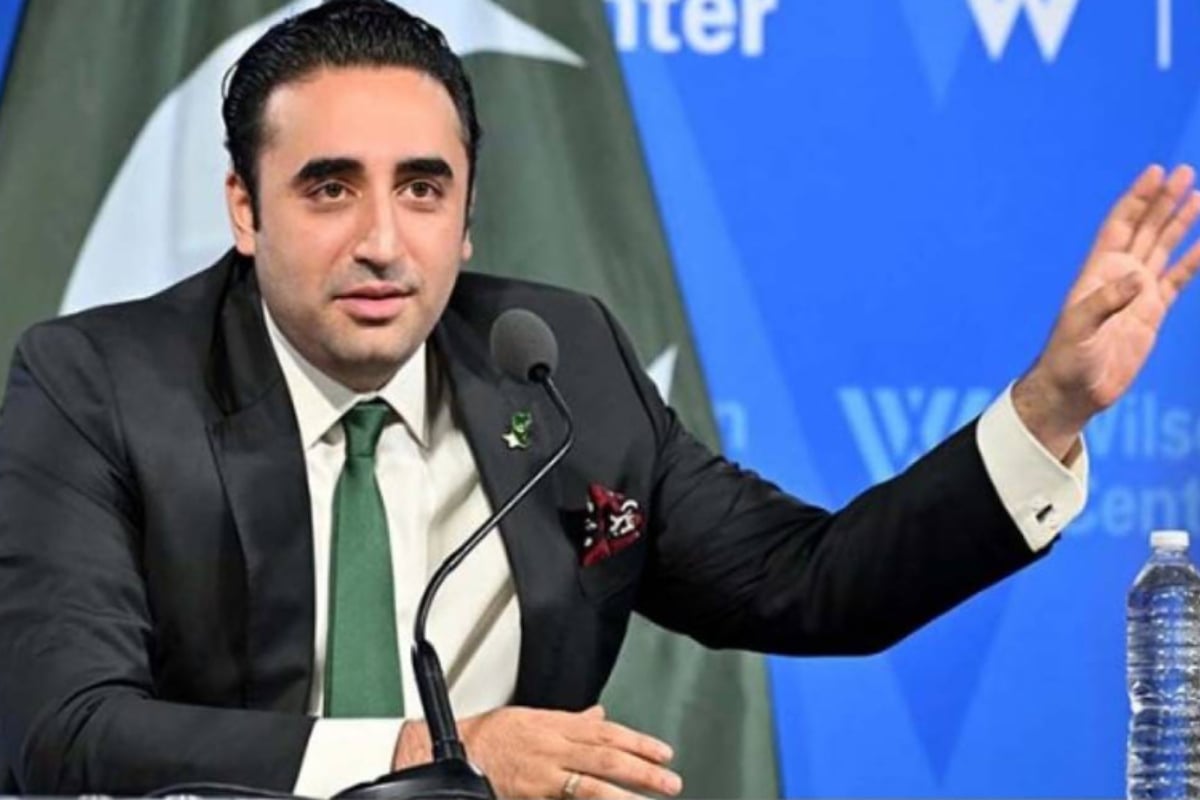
ISLAMABAD: Pakistan Peoples Party Chairman Bilawal Bhutto-Zardari assured provinces Thursday that their financial allocations under the 7th National Finance Commission award would not be reduced, as the government faced scrutiny over its decision to freeze provincial development funds for three years.
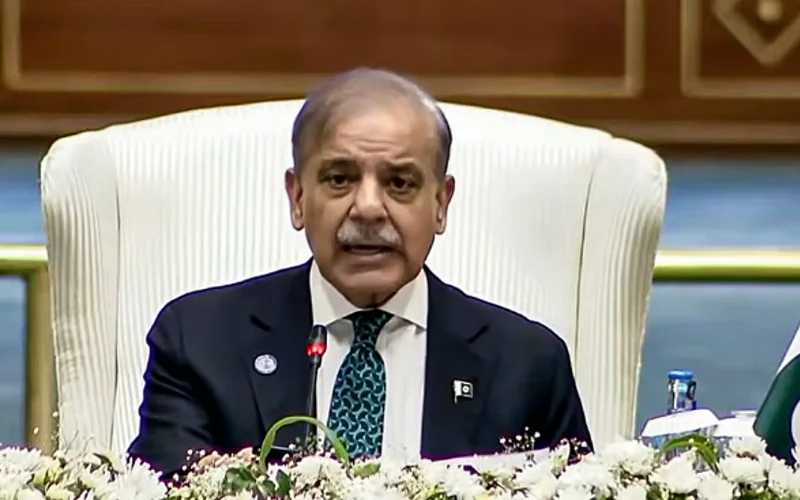
Speaking during the National Assembly debate on the fiscal year 2026-27 budget, Bilawal said the federal government had guaranteed that no further financial sacrifices would be demanded from provinces. His remarks came days after the administration moved to freeze provincial development allocations, a measure expected to generate more than Rs900 billion for national security needs.
Bilawal emphasized that the decision was reached through constitutional means under Article 164, which permits financial grants between tiers of government for expenditures outside their traditional domains.
He dismissed what he called “strange rumours” circulating before the budget debate about the possible abolishment of the 18th Amendment or unilateral changes to the NFC award. He acknowledged both achievements as historic and constitutional milestones but added that no province had yet received its full due share.
Bilawal praised Prime Minister Shehbaz Sharif, Deputy Prime Minister Ishaq Dar and Finance Minister Muhammad Aurangzeb for maintaining a collaborative approach with provinces throughout the budget process.
He noted that Punjab generated a financial surplus of Rs700 billion last year and Rs900 billion this year by withholding local expenditures in areas including Multan and Dera Ghazi Khan.
Bilawal welcomed the PTI-led government in Khyber Pakhtunkhwa for setting aside political differences to contribute to the national defence burden. However, he cautioned that financial commitments made to the former Federally Administered Tribal Areas during their merger with KP have yet to be fully honoured.
The PPP chairman called criticism of the Benazir Income Support Programme “regrettable and shameful,” describing it as a vital economic driver that generates bottom-up growth. He said the International Monetary Fund and the World Bank have praised BISP’s effectiveness during crises such as the COVID-19 pandemic and major floods, adding that neither institution is demanding cuts to the programme. He welcomed the prime minister’s assurance that BISP funding would be expanded in the upcoming budget.
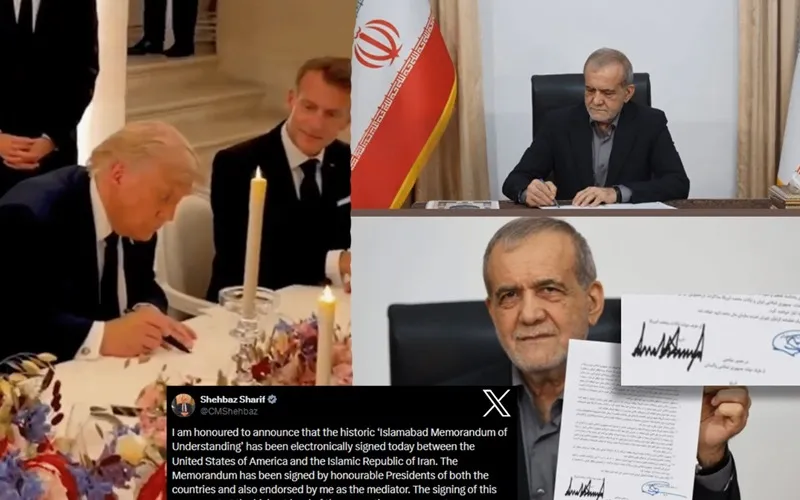
Bilawal also welcomed the recent U.S.-Iran peace agreement and praised Pakistan’s civil and military leadership for their diplomatic roles in facilitating regional stability. He framed regional peace as both a financial and moral necessity, saying it directly drives foreign investment and youth employment.
He warned that threats persist from instability along the Afghan border, Indian threats of an alleged Operation Sindoor 2.0, and New Delhi’s challenges to the Indus Waters Treaty.
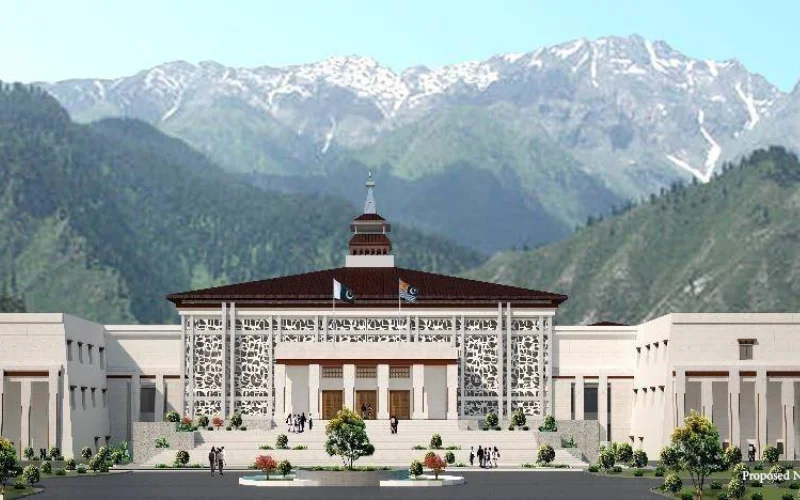
Closing his address, Bilawal thanked the people of Gilgit-Baltistan for their political trust, noting that the PPP had secured 11 seats in the region’s recent elections. He urged parliament to build a national consensus on granting Gilgit-Baltistan its long-delayed constitutional rights and proposed interim representation for the region in the federal parliament.
He described the people of Gilgit-Baltistan as among Pakistan’s most patriotic, citing their historical role in liberating the region from the Dogra Raj.