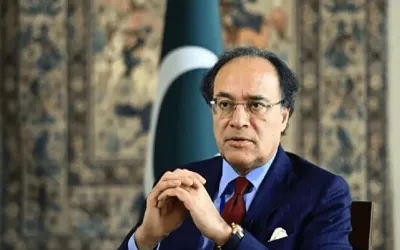
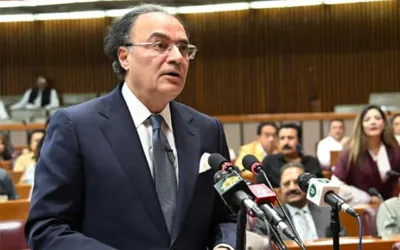
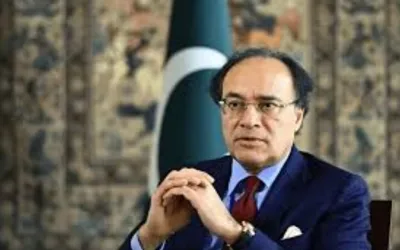
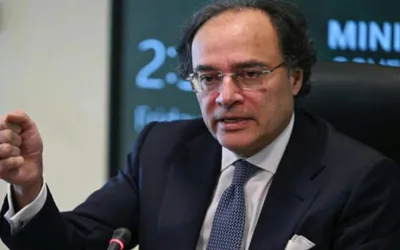
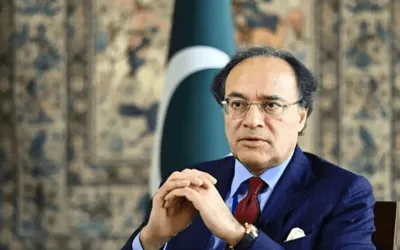
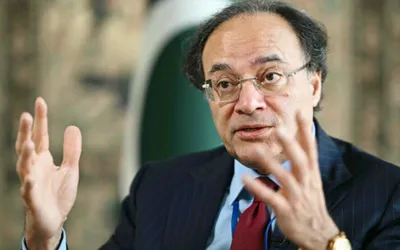
Finance Minister Muhammad Aurangzeb has announced plans to reduce the financial burden on the salaried class in the upcoming budget.
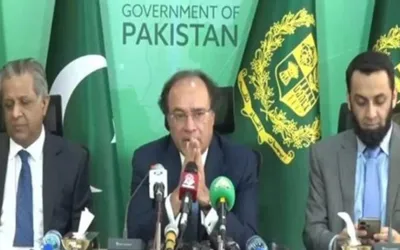
Speaking to media representatives in Lahore on Sunday, he highlighted positive economic indicators, including a rise in remittance senders to 35 million and an increase in Roshan Digital Account inflows.
Muhammad Aurangzeb emphasized the private sector’s vital role in driving the country’s economic progress, stating that foreign exchange reserves are steadily growing.
The Minister also expressed his commitment to supporting the construction industry while ensuring no gambling activities in real estate.
Earlier, Muhammad Aurangzeb said that country’s retail sector, which contributes a significant 19% to the country’s GDP, is paying a mere 1% in taxes, sparking concerns over the sector’s lack of contribution to the national exchequer.
Speaking at a conference on “Retail Reimagined: Innovate, Collaborate & Thrive”, organized by The Pakistan Retail Business Council (PRBC), the minister said, the disproportionate burden of taxes on the manufacturing, services industry, and salaried class is unsustainable.
“We need to bring other segments, including agriculture, real estate, retail, and wholesale, into the tax net.” He lauded provincial government for taking measures towards this end by passing bills in their respective assemblies for imposing agricultural taxes.
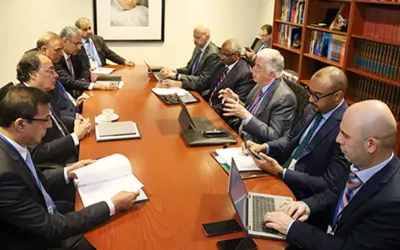
Aurangzeb said, the government has been engaging with the retail sector, requesting them to formalize their businesses and pay their due share of taxes. For national interest, “we cannot afford to have people taking a free ride anymore,” adding documentation was key to achieving this goal.
He said, there has been Rs9.4 trillion rupees in cash circulation, which needed to be brought into the formal economy, acknowledged that this could not be done overnight however the government was determined to move in the right direction.
The economy, the minister added, has taken a significant turn for the better, with macroeconomic stability firmly in place as currency has stabilized, foreign exchange reserves have increased and inflation has receded with the policy rate decreasing significantly leading Kibor to recede from 23% to around 11%.