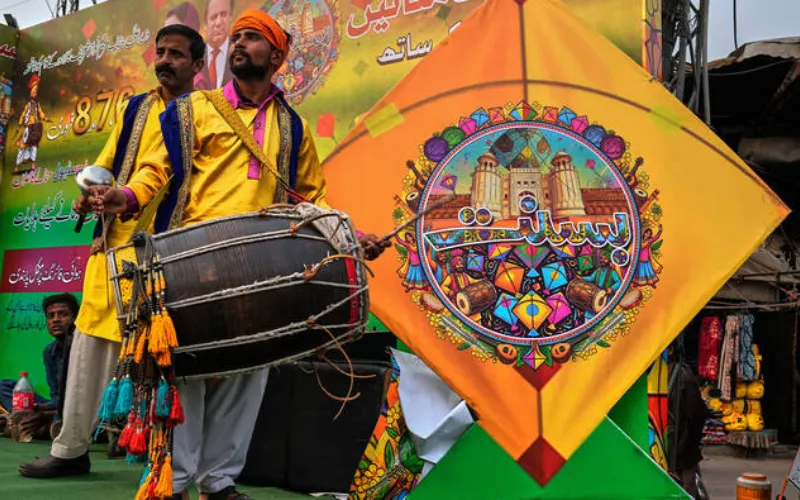
Lahore’s rooftops ignited Friday as Basant roared to life, shredding a 25-year ban with colorful kites slashing the night sky. Punjab’s government hit the green light for the three-day spring bash (Feb 6-8), unleashing pent-up chaos after midnight Thursday families, out-of-towners, and global thrill-seekers packing rooftops for epic battles.
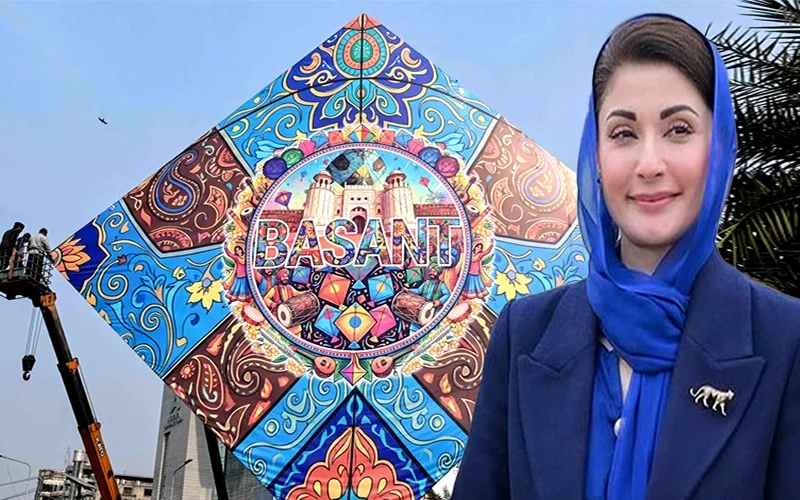
Crowds erupted at Liberty Chowk, cheers drowning the city as Punjab CM Maryam Nawaz’s revival decree sparked non-stop action. “Kites are back fly safe or face the heat!” she blasted, rolling out ironclad rules: no deadly metal strings, mandatory bike guards, and zero tolerance for violators.
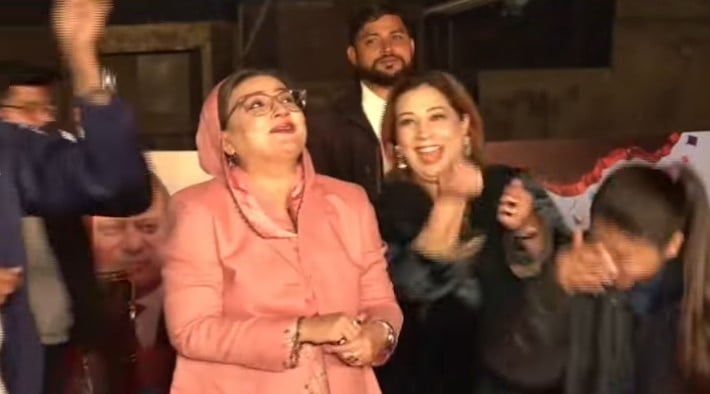
Provincial officials joined in the celebrations, with Punjab Information Minister Azma Bokhari among those seen flying kites in videos widely shared on social media.
Basant, once a vibrant cultural tradition in Punjab, was banned in the early 2000s after authorities linked metal-coated kite strings and celebratory gunfire to multiple deaths and serious injuries. The ban remained in place for over two decades amid safety concerns.
The revival has triggered a surge in travel to Lahore, with airfares from several Pakistani cities skyrocketing as thousands flocked to the cultural heart of the country to take part in the festival after a long hiatus.
Officials said the decision to allow Basant reflects improved safety regulations and enforcement, emphasizing that any violations would be dealt with strictly to prevent accidents.
In her Basant message, Punjab Chief Minister Maryam Nawaz said that kites have returned to Lahore’s skies after 25 years. She urged people to celebrate the festival responsibly, follow all safety SOPs, and make Basant safe for everyone.
She also thanked former Prime Minister Nawaz Sharif for bringing joy and peace back to Punjab and Pakistan.
The Pakistan Meteorological Department (PMD) has predicted ideal conditions for kite flying in Lahore from February 6 to 8, with gentle westerly winds blowing at speeds of 10 to 15 kilometers per hour. To enhance public safety, authorities distributed one million protective rods to motorcyclists at designated locations throughout the city. This initiative, reported by local media, cost over Rs110 million ($392,000).
Additionally, approximately 100 road safety camps have been established across Lahore to enforce traffic regulations and ensure smooth movement. These camps are manned by teams from the district administration, traffic police, and rescue services.
To help reduce congestion and promote safer travel, the Punjab government introduced a free shuttle service, deploying 695 buses across the city.
Markets traditionally associated with Basant such as Mochi Gate, Delhi Gate, Shah Alam Market, and Anarkali remained crowded late into the night as shoppers bought kites, spools, fairy lights, and other festive decorations.
Throughout Lahore, rooftops were decorated with fairy lights, colorful buntings, and makeshift lanterns, while powerful bulbs illuminated the night to support kite competitions. Barbecue grills were fired up, music playlists revived, and families gathered, transforming rooftops into lively communal spaces above the city.
Women dressed in traditional yellow and white outfits, often complemented with floral jewelry, while children and elders eagerly sorted kites and spools. After Maghreb prayers, the city’s inner areas lit up with vibrant displays of lights, creating a glowing landscape of stacked terraces.
Meanwhile, beauty salons across Lahore reported a surge in customers, as women took the opportunity to celebrate Basant in full traditional style after years of absence. Clothing and accessory shops also saw high demand for vibrant yellows, greens, and reds, as the city wholeheartedly embraced color once again.