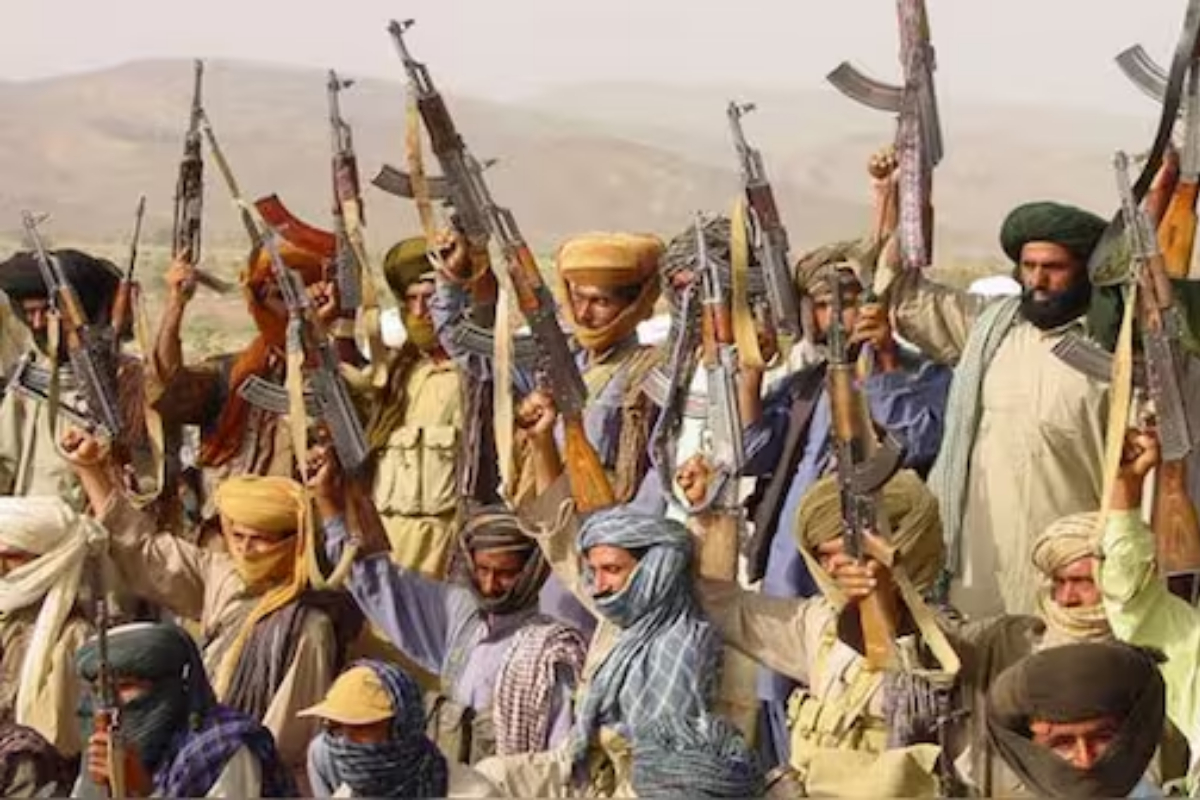
Senator Samina Mumtaz Zehri, writing both as a lawmaker and as a voice from Balochistan itself, has condemned the Balochistan Liberation Army (BLA) for exploiting her province’s suffering to build its ranks.
Her central argument is simple: BLA does not speak for Balochistan or its people. Instead, it takes advantage of the province’s deep poverty, where more than 70 percent of the population struggles with multidimensional deprivation, to recruit and radicalize young people between the ages of 15 and 25.
Through propaganda, isolation from families, and the glorification of violence, these young men are gradually turned into suicide operatives for the group’s Majeed Brigade.
A Province Under Siege
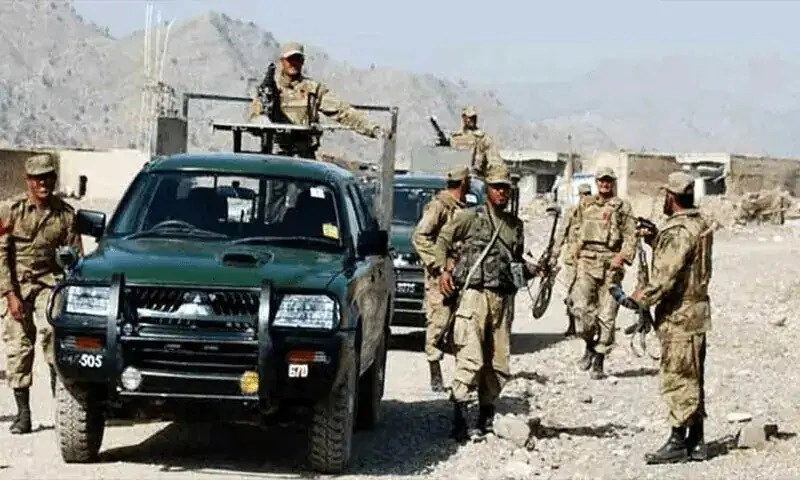
The scale of violence described by her is staggering. Terrorist groups operating in Balochistan carried out 938 attacks in 2024 alone, a 53 percent jump from the year before.
Deaths from these attacks rose even faster, climbing 80 percent to surpass 1,002 people killed, with the BLA claiming responsibility for hundreds of these incidents on its own.
One of the most alarming examples came in March 2025, when militants hijacked the Jaffar Express train, killing at least 31 people and holding more than 300 passengers hostage for hours.
Over the past year, the Majeed Brigade has also carried out six major suicide missions, relying on a structure that is decentralized and difficult to dismantle, allowing it to keep regenerating even after setbacks.
Not a Local Grievance, But an Organized Enterprise
Rather than treating the BLA as a homegrown movement born out of genuine local grievances, the senator frames it as a well-organized terrorist enterprise with backing from outside Pakistan’s borders.
Senator points to the case of Kulbhushan Jadhav, which she says links the group to Indian intelligence, as evidence of foreign sponsorship.
She also notes growing tactical cooperation between the BLA and the Tehrik-i-Taliban Pakistan, suggesting the group has become less a symbol of local separatism and more a tool for destabilizing the wider region.
The stakes extend well beyond Pakistan’s borders. Balochistan sits on vast reserves of copper, gold, and rare-earth minerals that matter to global supply chains, and it hosts critical infrastructure tied to the China-Pakistan Economic Corridor, a project worth tens of billions of dollars.
Attacks on roads, ports, and pipelines in the region, the senator argues, don’t just hurt Pakistan. They threaten broader connectivity and development plans across South Asia and undermine American strategic and economic interests in the region as well.
On the diplomatic front, the United States, United Kingdom, and Australia have each designated the BLA and its Majeed Brigade as terrorist entities within their own systems, with Washington granting the group full Foreign Terrorist Organization status in 2025.
Yet a joint proposal by Pakistan and China to have the United Nations Security Council list the BLA under its 1267 sanctions regime was turned down on technical grounds, with officials citing insufficient evidence linking the group directly to al-Qaeda or ISIL.
The senator suggests geopolitical maneuvering, particularly Indian influence, played a role in that outcome, and she is urging Pakistan to build a stronger evidentiary case using the broader authority available under UN Security Council Resolution 1373.
Her call to action is twofold. She insists that a UN 1267 listing remains essential, since it would cut off funding, restrict the movement of the group’s leadership, and strip away any lingering sense of legitimacy.
But she is equally clear that security measures alone won’t solve the underlying problem.
Lasting peace, she argues, will also require better governance, genuine political inclusion, real economic investment in the province, and honest efforts to address the historical grievances that have long left Balochistan’s youth vulnerable to recruitment in the first place.