KARACHI: Pakistan’s agriculture sector posted moderate growth of 2.9% during fiscal year 2025-26, while government has set a growth target of 3.8% FY-27.
The livestock sector, a key driver of agricultural output, recorded an accelerated expansion of 3.8%, up from 2.9% the previous year, according to official data released by the Pakistan Bureau of Statistics (PBS).
The agriculture sector’s performance reflects a gradual recovery despite mixed results among major crops, weather-related constraints and a high base effect from the previous year.
In contrast, livestock maintained strong momentum, driven by commercialization, improved disease management and rising consumer demand.
Livestock emerged as a standout performer, with growth accelerating to 3.8% in FY2025-26. Population estimates showed cattle numbers rising 3.8% to 61.96 million, buffaloes up 3% to 49.1 million and goats increasing 2.7% to 91.8 million.
Sheep, camels, horses, mules and asses also recorded positive but slower growth.
According to the Ministry of National Food Security and Research, livestock remains the most significant sub-sector of agriculture, contributing 14.63% to Pakistan’s gross domestic product and 60.84% to agriculture value added.
The sector’s net foreign exchange earnings accounted for approximately 1.6% of the country’s total exports as of FY25.
The livestock sector provides raw material for local industries, generates markets, creates capital and serves as a social safety net for rural households, an official said.
It ensures income in times of need and offers security against crop failures, particularly in rainfed, or barani, areas.
Forestry and fishing also contributed positively, posting growth of 2% and 1.7%, respectively.
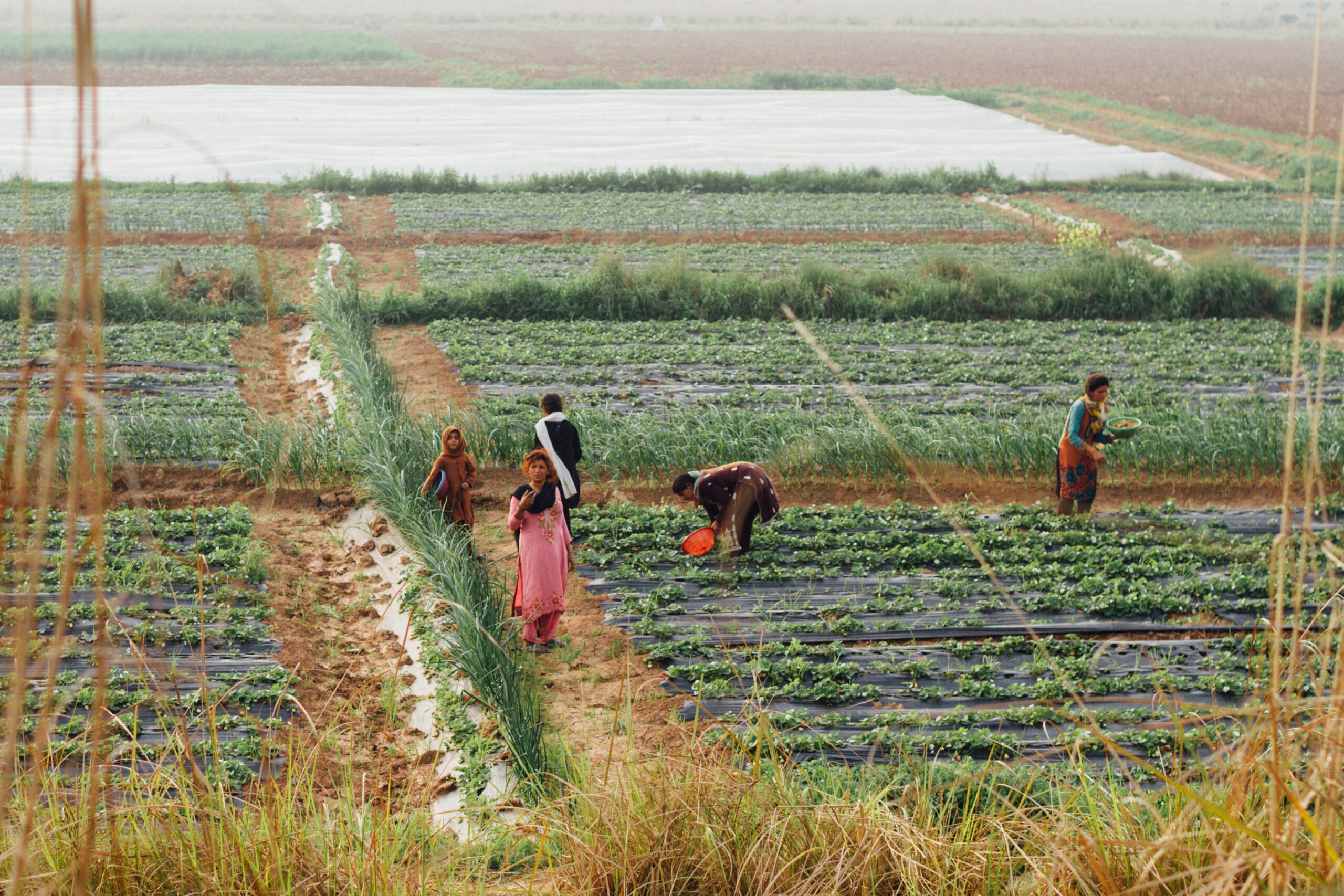
Agriculture remains the largest sector of Pakistan’s economy. According to the Pakistan Bureau of Statistics, it contributes about 24% of GDP, accounts for half of the employed labor force and is the largest source of foreign exchange earnings. A majority of the population depends on the sector directly or indirectly.
Important crops including cotton, rice, sugarcane, maize and wheat collectively posted a marginal increase of 0.6% over the previous year.
Wheat, the country’s staple crop, showed encouraging signs, with area expanding to 9.478 million hectares from 9.074 million hectares, and production rising 4.3% to 29.6 million tons, up from 28.4 million tons. Sugarcane production increased 6.2% to 89.4 million tons.
However, not all crops fared well. Rice area contracted by 3.6%, though production managed a slight 2.8% increase. Maize production dipped 2.7%, while cotton continued its struggle, with output falling 0.5% and area shrinking 1.5%.
Despite a challenging high base of 19.7% growth last year, the “other crops” sub-sector expanded by 2.4%, driven by strong performances in gram (50.4%), potato (27.6%), mangoes (11.6%), banana (30.8%), turmeric (25.1%) and chilies (9.2%). Officials attributed the gains to better irrigation management, supportive market conditions and improved output of pulse crops.
In contrast, the cotton ginning and miscellaneous segment recorded only 0.1% growth, reflecting subdued cotton output during the year.
While the agriculture sector’s overall performance remains below potential, analysts said the steady growth in livestock and high-value crops offers a cushion against volatility in staple crop output.