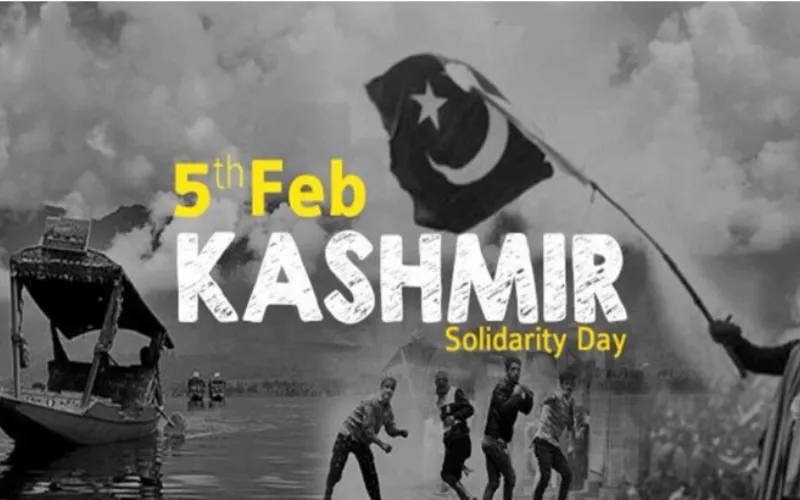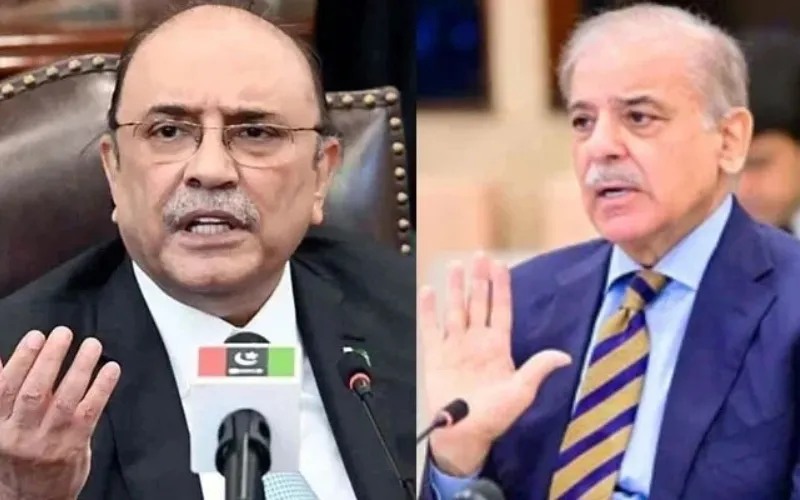
Islamabad: President Asif Ali Zardari and Prime Minister Shehbaz Sharif reiterated Pakistan’s unwavering support for the Kashmiri people in their struggle for the right to self-determination, as the country observed Kashmir Solidarity Day.
In his message, President Asif Ali Zardari strongly condemned what he described as grave human rights violations by Indian occupying forces in Indian Illegally Occupied Jammu and Kashmir (IIOJK). He said international reports had pointed to a disturbing rise in arbitrary detentions, collective punishments, and restrictions on civil liberties.
The President recalled that Kashmir Solidarity Day was formally initiated in 1989 by Shaheed Mohtarma Benazir Bhutto and said Pakistanis across the world were united in expressing solidarity with the Kashmiri people. He noted that for nearly eight decades, Kashmiris had remained steadfast in the face of illegal occupation and had made immense sacrifices.
President Zardari expressed serious concern over what he termed India’s accelerated efforts to consolidate its occupation through media blackouts, arrests of Kashmiri leadership, demolition of homes, and curbs on digital freedoms.
He also highlighted the recent profiling of mosques and mosque administrations, calling it a deliberate attempt to obstruct the religious rights of the Muslim-majority population and part of a broader pattern of discrimination driven by extremist Hindutva ideology.
He stressed that lasting peace in South Asia was not possible without resolving the Kashmir dispute and urged the international community to press India to halt human rights violations, allow access to international observers, and grant Kashmiris their promised right to self-determination through a free and impartial plebiscite.
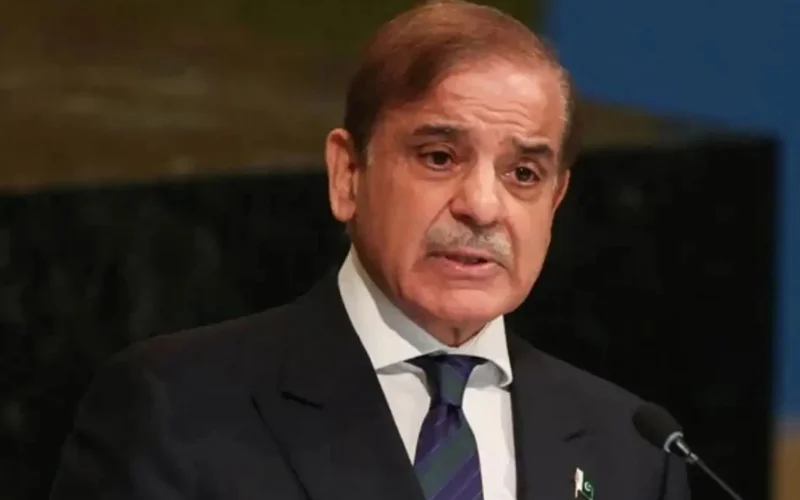
In a separate message, Prime Minister Shehbaz Sharif said Kashmir remained one of the oldest unresolved disputes on the agenda of the United Nations. He reaffirmed Pakistan’s continued political, moral, and diplomatic support for the Kashmiri people in line with United Nations Security Council resolutions.
The Prime Minister said India’s actions over the past eight decades had deprived Kashmiris of their fundamental rights, turning the region into what he described as a hub of coercion and serious human rights abuses. He pointed to restrictions on political activity and media freedom as routine tactics employed by Indian authorities.
Referring to August 5, 2019, Prime Minister Shehbaz Sharif said India’s unilateral and illegal administrative and legal measures were aimed at strengthening its forcible control over occupied Jammu and Kashmir and were in clear violation of the UN Charter.
Both leaders emphasized that the final status of Jammu and Kashmir must be decided in accordance with the wishes of its people through a free and impartial plebiscite under UN auspices.