Wars are often imagined as long, grinding struggles stretching across years or even generations. Yet history shows that some of the most consequential conflicts have been astonishingly brief measured not in decades, but in minutes or days. From colonial gunboat diplomacy in the 19th century to high-technology warfare between nuclear-armed states in the 21st, short wars reveal how power, deterrence, and escalation truly operate.
Anglo-Zanzibar War (1896) Shortest War Ever Fought:
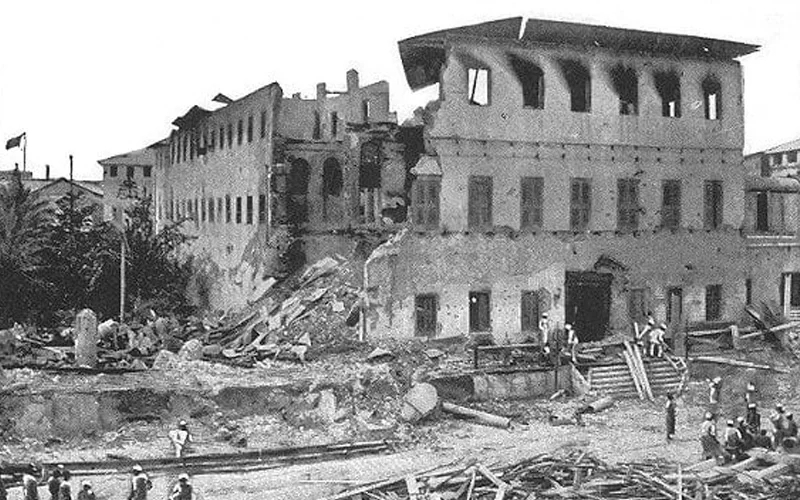
The Anglo-Zanzibar War remains the shortest recorded war in human history, lasting between 38 and 45 minutes on August 27, 1896.
Background
The conflict was triggered by a succession crisis in Zanzibar. Sultan Hamad bin Thuwaini, a pro-British ruler, died suddenly on August 25. His cousin, Khalid bin Barghash, seized power without British approval, violating treaties that required London’s consent for succession.
Britain issued an ultimatum demanding Khalid step down by 9:00 a.m. on August 27. Khalid refused.
The Conflict
At precisely 9:02 a.m., British warships—HMS Raccoon, Thrush, and Sparrow—opened fire on the Sultan’s palace. Zanzibar’s artillery was destroyed within minutes. By 9:40 a.m., the palace was in ruins, the Zanzibari flag was shot down, and the war was over.
Khalid fled to the German consulate, later escaping into exile. Britain swiftly installed a compliant ruler.
Casualties and Duration Debate
More than 500 Zanzibaris were killed or wounded, while Britain suffered one injured sailor. Minor discrepancies over when firing began and ended account for differing estimates of the war’s length—38, 40, or 45 minutes but no other conflict comes close.
The Anglo-Zanzibar War epitomizes imperial-era warfare: overwhelming force, zero ambiguity, and immediate political results.
Four Days in May: The India–Pakistan Crisis (2025)
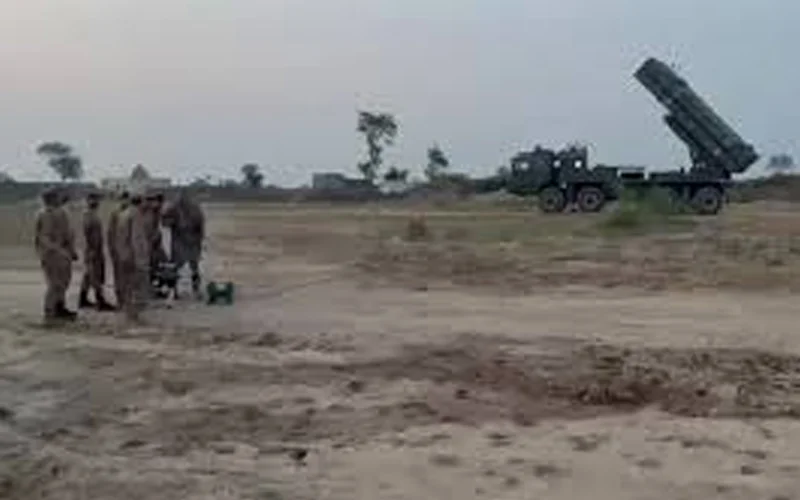
From May 7 to May 10, 2025, India and Pakistan fought their most intense military confrontation in decades—one that unfolded entirely under the shadow of nuclear deterrence.
Trigger and Escalation
Following a terrorist attack on April 22, India launched punitive strikes on May 7. What followed was unprecedented in South Asian military history, crossing multiple previously respected thresholds.
This four-day conflict introduced several historic firsts:
India’s first use of cruise missiles against Pakistan featuring systems such as the BrahMos supersonic cruise missile and the SCALP-EG air-launched cruise missile marked a significant escalation in the conventional military domain.
In response, Pakistan carried out its first operational use of conventionally armed short-range ballistic missiles, including the Fatah-I and Fatah-II, signaling a shift toward greater reliance on precision-guided ballistic strike capabilities.
Alongside these developments, the confrontation also witnessed the first two-sided drone war between the rivals, with both sides employing armed unmanned aerial vehicles (UAVs) and loitering munitions, highlighting the growing role of unmanned and stand-off technologies in South Asian conflict dynamics.
Drone Warfare and Precision Strikes
India launched waves of drones including Harop, Harpy, Nagastra-1, Warmate variants, and indigenous platforms deep into Pakistani airspace.
Pakistan retaliated with drone strikes on May 10, hitting military installations and triggering civilian panic. Both sides targeted airbases, missile depots, and command centers, effectively mapping each other’s air-defense networks.
Diplomatic Intervention
As escalation risks mounted, the United States intervened diplomatically. Secretary of State Marco Rubio held urgent talks with leaders in both countries. A ceasefire followed, though claims over U.S. mediation remain disputed.
Diplomatic Intervention
Amid rising tensions, U.S. Secretary of State Marco Rubio held urgent talks with Pakistan’s Army Chief, General Syed Asim Munir, and India’s External Affairs Minister, S. Jaishankar. Washington urged both sides to de-escalate and offered its assistance in facilitating dialogue to avert further confrontation.
President Donald Trump later asserted that the United States had played a key role in brokering a ceasefire between the two nuclear-armed neighbours an assertion that India has publicly rejected.
Trump also proposed working with both India and Pakistan toward a “resolution” of the long-standing Kashmir dispute, days after his administration helped secure a ceasefire between the rivals, according to international media reports
Escalation Mapping and Strategic Concerns
Analysts suggest that both countries used the standoff to probe one another’s air-defence systems and long-range strike capabilities.
Despite its brevity, the conflict demonstrated how modern wars can reach extreme intensity in mere days, testing deterrence without crossing the nuclear threshold.
The 12-Day Iran–Israel War (2025)
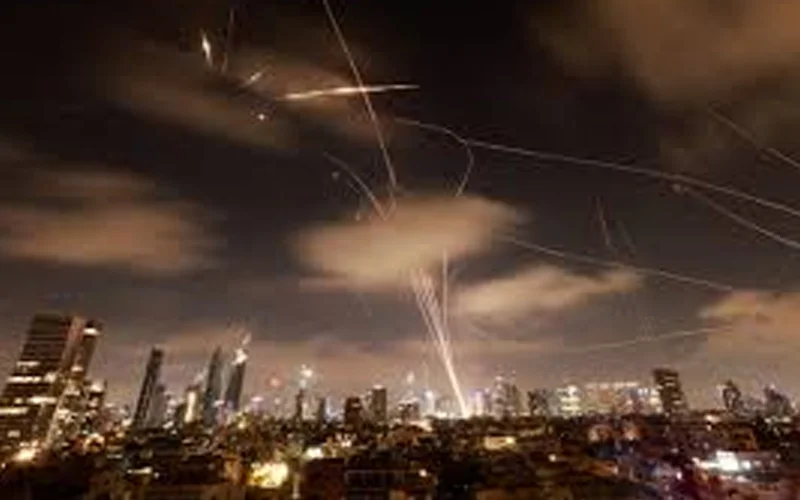
The Shortest Direct War Between Regional Powers
From June 13 to June 24, 2025, Israel and Iran fought their first full-scale direct war—lasting just 12 days, yet marking the most significant confrontation in their shared history.
Scale and Shock
Over 12 days, Israel carried out nearly 360 attacks across 27 provinces, striking more than 150 distinct locations. Multiple waves of airstrikes often hit different targets within the same city. Tehran Province was hardest hit, with one-third of all attacks occurring there; 17 of Tehran’s 22 districts were targeted.
Israel rapidly gained control of Iranian airspace from the west to Tehran. Using advanced stealth aircraft, real-time intelligence, and drones reportedly smuggled in by Mossad, Israeli forces disabled key radar systems and surface-to-air missile sites. Iranian air defenses were largely ineffective: no Israeli jets were shot down, and only a limited number of drones were intercepted.
Targets and Human Impact:
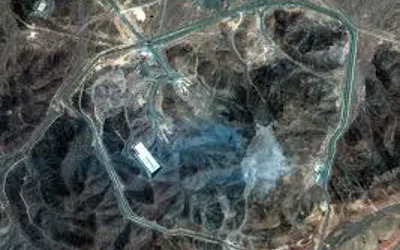
- Iranian nuclear facilities
- Military bases and police stations
- Government ministries (Defense, Intelligence, Petroleum)
- National broadcasting headquarters
- Command-and-control centers
- Senior military leadership
Over 30 high-ranking commanders and at least 11 nuclear scientists were killed.
Total fatalities exceeded 1,100, including roughly 440 civilians (≈40%).
One of the deadliest strikes was on Evin Prison, killing more than 70 people.
Displacement: Thousands fled Tehran, affecting a city of over 10 million. In total, 21 million Iranians—nearly a quarter of the population were exposed to attacks.
Major displacement in Tehran
Iran retaliated with sustained missile strikes on Israel, killing 28 civilians and injuring 3,000. Cluster munitions were used on multiple occasions, intensifying civilian harm.
Historical and Ideological Context
The Israel-Iran conflict is not territorial but rooted in ideological and strategic divisions. Since the 1979 Islamic Revolution, Iran has viewed the U.S. as an imperial power and Israel as its regional outpost. Iran’s support for armed groups like Hezbollah and Hamas grew from ideological solidarity into strategic deterrence. Lacking conventional parity with Israel and encircled by U.S. forces, Iran relied on asymmetric warfare to project influence and maintain leverage without engaging in direct conflict.