Dubai: A new wave of military action has intensified tensions between Iran and the United States, with both sides exchanging attacks after weeks of escalating confrontation in the Middle East.
Iran on Friday claimed it had launched strikes against US facilities in the Gulf, while Washington confirmed another round of attacks on Iranian military targets, marking the sixth consecutive night of US operations against Tehran.
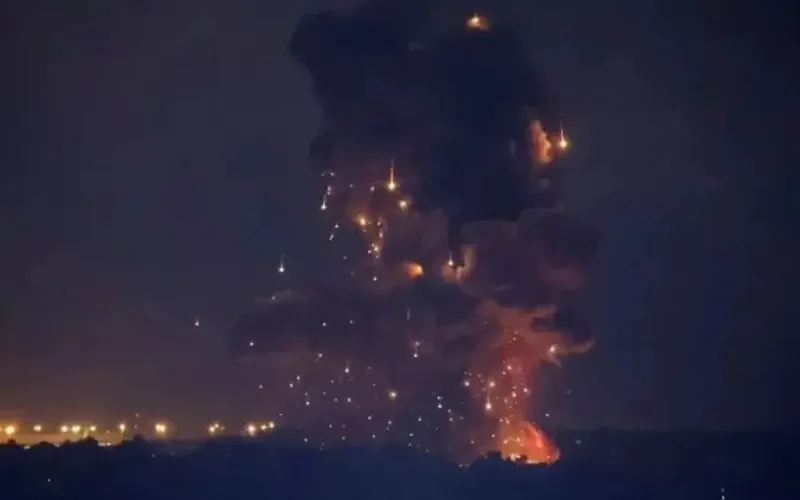
The US military said the latest strikes were conducted to further weaken Iran’s military capabilities, targeting strategic locations including Qeshm Island and areas near Bandar Abbas, where Iran’s largest port and key naval facilities are located.
The US Central Command (CENTCOM) said American fighter jets, drones and warships carried out precision strikes against dozens of Iranian military targets.
The operation targeted coastal surveillance systems, air defence installations, military supply facilities and maritime capabilities, according to CENTCOM.
Read More: US launches new strikes on Iran as Tehran vows retaliation
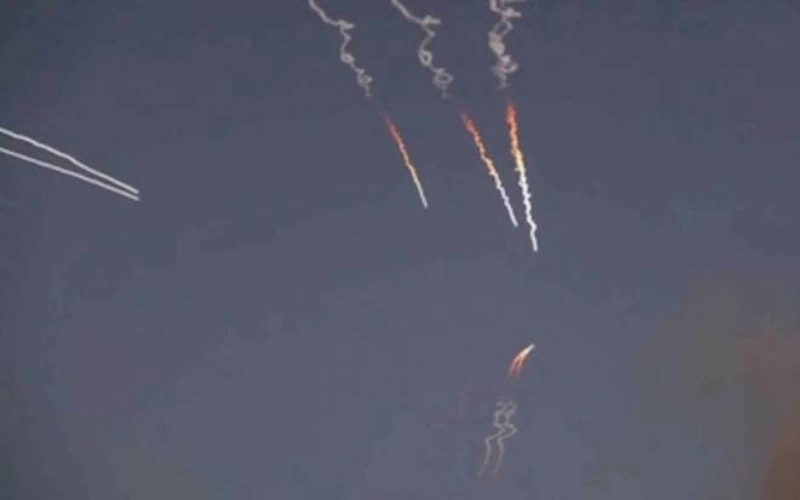
In response, Iran said it carried out missile and drone attacks against US military positions in the region, including facilities in Bahrain and Kuwait.
Authorities in Qatar’s capital Doha reported hearing explosions, while the Interior Ministry said a child was injured by shrapnel.
Iranian state media reported that US strikes damaged several locations, including bridges in Bandar Khamir, a railway station and Iranshahr Airport in southeastern Iran.
The state-run news agency IRNA reported that seven people were killed in attacks on bridges in the southern port city of Bandar Khamir. The claims could not be independently verified.
The latest escalation has once again affected movement through the Strait of Hormuz, a crucial global trade route responsible for a significant share of international oil and gas shipments.
Iran has tightened restrictions in the strategic waterway, while the United States has renewed measures targeting Iranian ports.
The uncertainty has contributed to rising global energy prices as markets remain concerned about possible disruptions to oil supplies.
Iran has rejected any foreign interference in the Strait of Hormuz, saying it will not allow the United States or other outside powers to control the strategic passage.
Tehran has indicated that it aims to maintain its influence over the waterway while avoiding a wider conflict that could derail diplomatic efforts.
Sources told Reuters that Iran could also seek support from its allies, including Yemen’s Houthi movement, to restrict access through the Bab al-Mandeb Strait if attacks on Iranian infrastructure continue.
The renewed military exchanges have increased anxiety among Iranian citizens, with many fearing a return to a broader conflict.
Residents in Tehran expressed concerns over continued instability and called for diplomatic efforts to resolve the crisis.
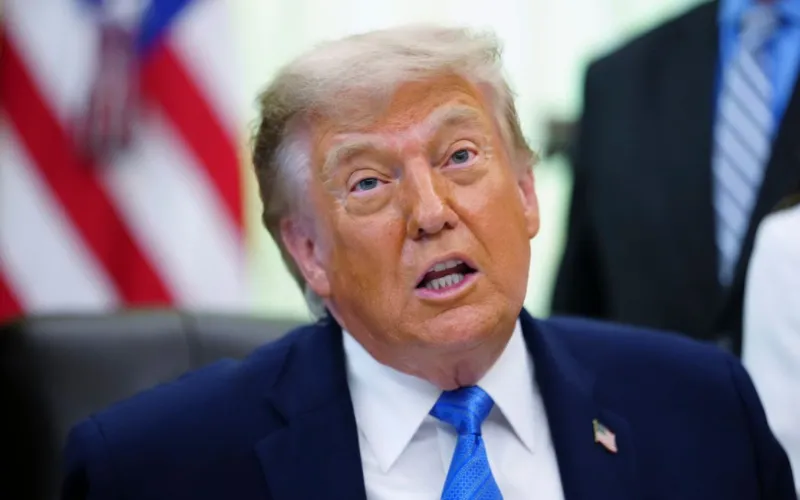
US President Donald Trump has not ruled out additional military options, including possible ground operations targeting strategic locations such as Kharg Island, Iran’s main oil export terminal.
Trump has also warned that Iranian infrastructure, including power facilities and bridges, could face further strikes if Tehran does not resume negotiations.
The latest developments highlight the growing risk of a wider regional confrontation as Iran and the US remain locked in a cycle of military escalation.