TEHRAN/WASHINGTON: The confrontation between Iran and the United States intensified on Monday as Tehran launched fresh attacks on US military targets in the region, claimed it had shot down an American MQ-9 Reaper drone, and continued strikes against US allies in the Gulf.
The latest escalation has raised fears of a broader regional conflict while sending global oil prices above $90 per barrel.
Iran’s Islamic Revolutionary Guard Corps (IRGC) said it carried out a “surprise attack” on a US special operations command center near the Al-Tanf military base in southeastern Syria.
Iranian state media reported the strike was launched in retaliation for the deaths of Iranian soldiers from Iranshahr. The Al-Tanf garrison, located near the borders of Syria, Iraq and Jordan, has long served as a strategic base for US forces and allied groups conducting operations against Daesh.
Iran also claimed its air defense forces shot down a US MQ-9 Reaper drone over the southwestern city of Ahvaz using an advanced air defense system.
State media reported the surveillance drone crashed after being intercepted during an air defense operation. However, US officials have not confirmed the claim, and the incident has not been independently verified.
The renewed attacks triggered heightened security across the Gulf. Bahrain’s Interior Ministry confirmed that air raid sirens sounded overnight and advised residents to seek shelter.
Read More: US airstrikes target Iranian forces after 2 troops killed in Jordan
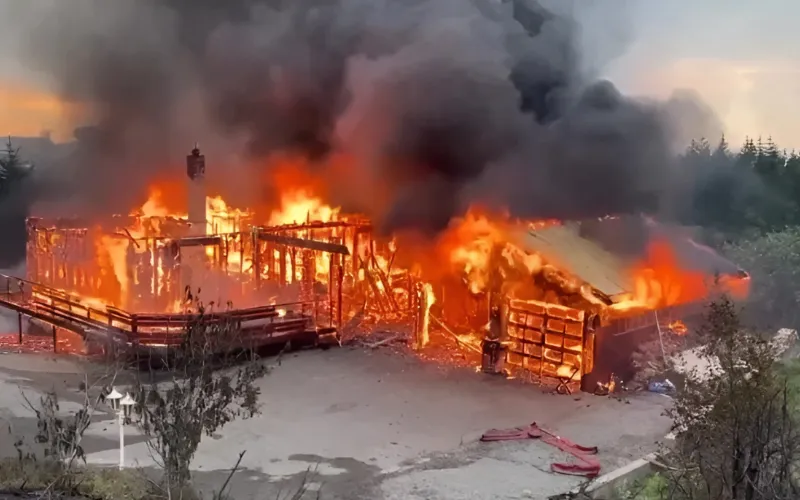
Bahrain, home to the US Navy’s Fifth Fleet, has faced repeated Iranian attacks in recent days. Kuwait also reported another attack on a power and water facility that caused a fire, while Bahrain’s military said its air defense systems intercepted several incoming aerial threats.
The escalation also disrupted global energy markets. Brent crude oil prices rose more than 3% to above $90 per barrel, while US West Texas Intermediate crude recorded similar gains amid concerns over shipping through the Strait of Hormuz, one of the world’s busiest energy corridors.
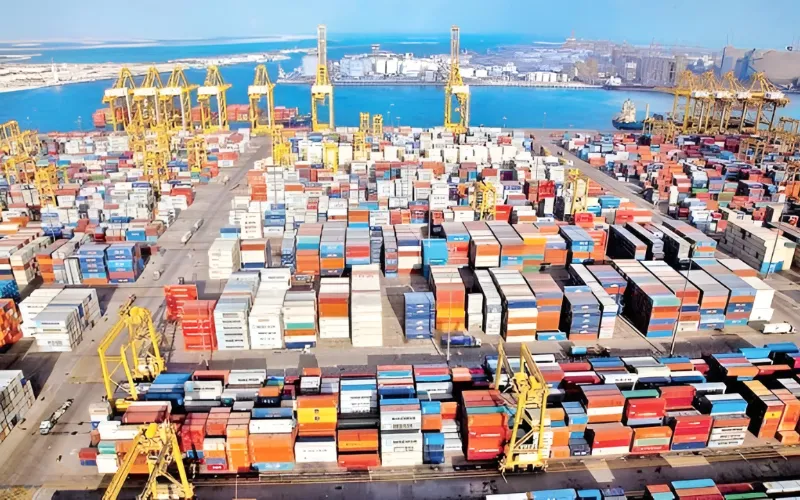
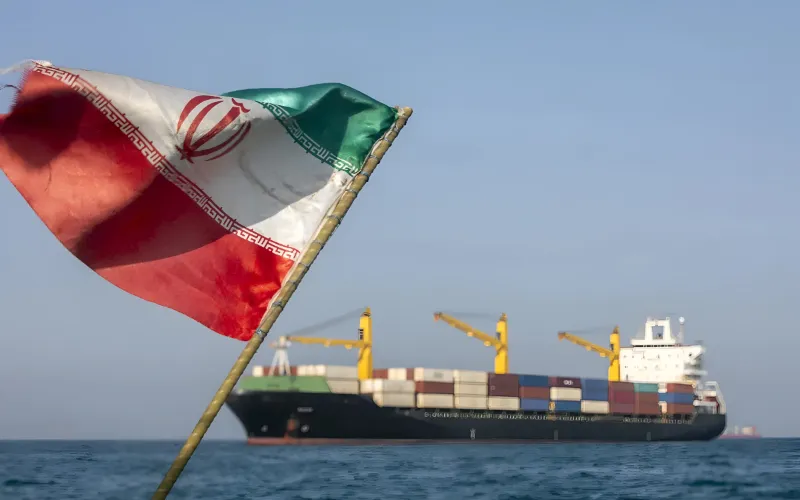
Iran has previously restricted access to the strategic waterway, while the United States has tightened restrictions on Iranian ports, further increasing uncertainty over global oil supplies.
Meanwhile, Jordan said it intercepted missiles following Iranian attacks near its territory, while Israeli and Jordanian forces also reported intercepting a missile heading toward the Jordanian port city of Aqaba.
The US Embassy in Amman had earlier issued a security warning over a “specific and credible threat” targeting the city’s port and airport. Jordan later summoned Iran’s chargé d’affaires to protest what it described as continued Iranian aggression.
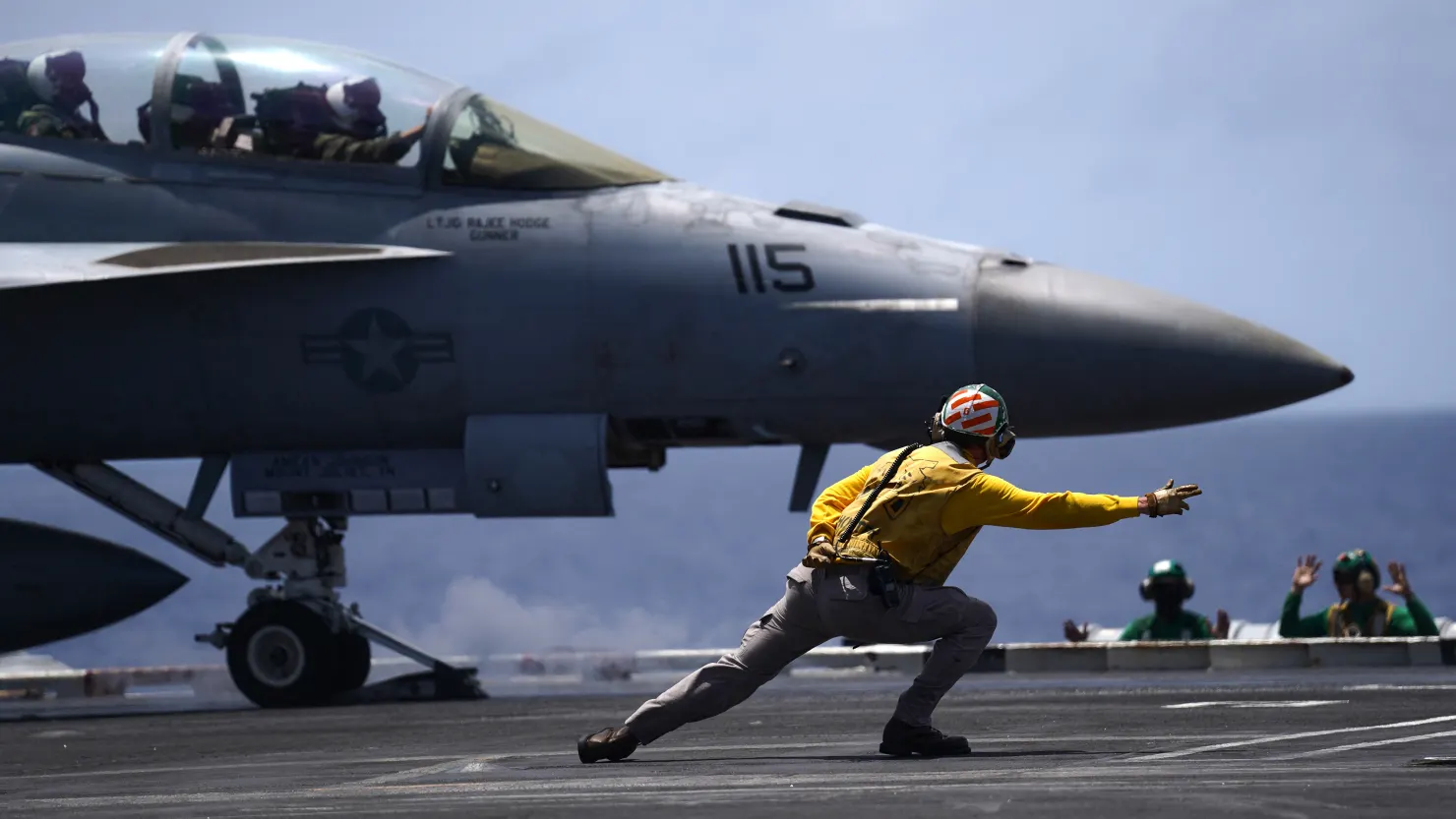
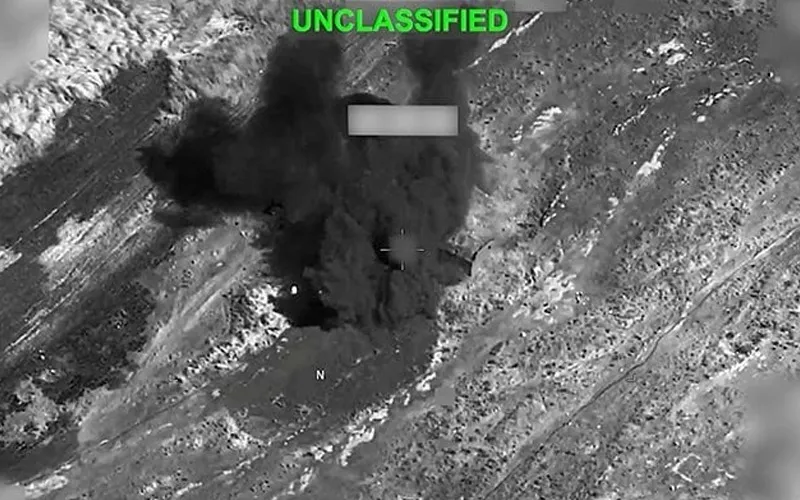
The United States, meanwhile, continued its military campaign against Iranian targets. US Central Command (CENTCOM) said it conducted another round of strikes against Islamic Revolutionary Guard Corps positions, marking the eighth consecutive night of operations in response to attacks on American personnel.
Washington has confirmed 17 US military deaths since the conflict began with US and Israeli strikes on Iranian targets on February 28.
Iran also accused the United States of attacking the unfinished Darkhovin nuclear power plant in southwestern Iran, calling the strike a violation of international law.
The International Atomic Energy Agency (IAEA) said it was reviewing the reports and noted the facility contained no nuclear material during its last inspection. IAEA Director General Rafael Grossi again urged all sides to avoid military action near nuclear facilities.
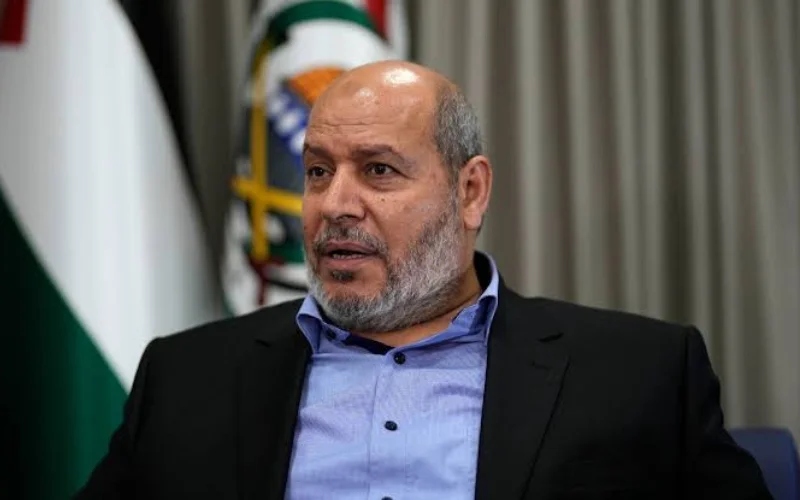
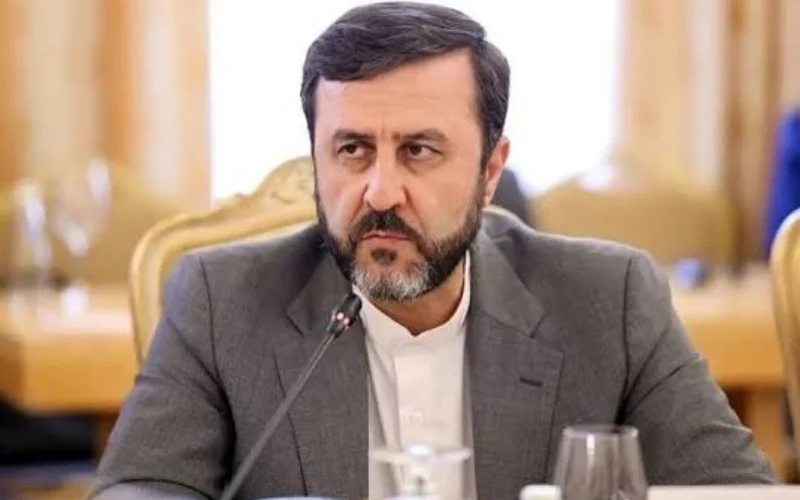
Iranian Deputy Foreign Minister Kazem Gharibabadi said Tehran would take “appropriate action” to protect its national security, while the country’s Health Ministry reported that 50 people have been killed and more than 500 injured in the latest fighting.
Despite ongoing diplomatic efforts by international mediators, prospects for renewed negotiations remain uncertain as both Washington and Tehran continue military operations, raising concerns that the conflict could expand further across the Middle East.