LONDON: Six months into the war with Iran, OPEC+ finds itself in a diminished role, unable to steer a global oil market it once dominated, as wartime disruptions and shifting demand from China reshape the energy landscape, Reuters reported.
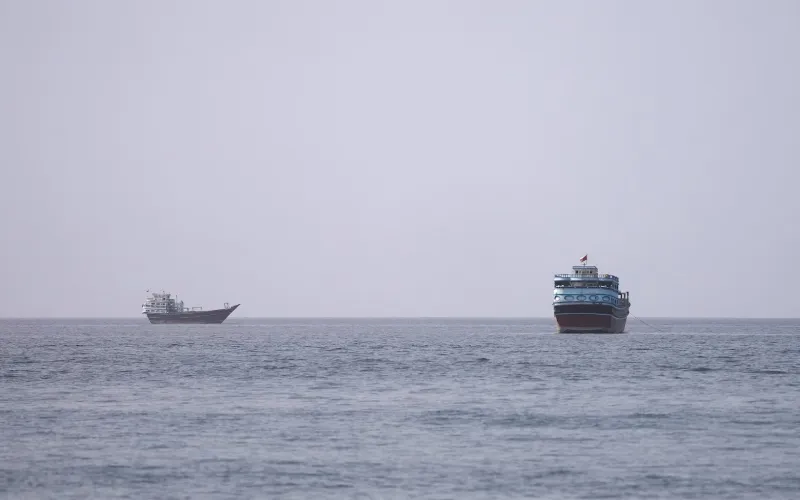
The conflict, which has closed the Strait of Hormuz, a vital export route for Saudi Arabia, Iraq and Kuwait, and damaged energy infrastructure in several member countries, has eroded the alliance’s market share and its ability to influence prices. Statements and policy decisions from the Organization of the Petroleum Exporting Countries and its allies, including Russia, now barely move markets, according to analysts and trading data.
OPEC+ accounted for about 40% of global oil output in July, down from more than 48% before the U.S. and Israel attacked Iran in late February, according to Reuters calculations based on International Energy Agency data. About four to five percentage points of that decline stemmed from the United Arab Emirates’ withdrawal from OPEC in May. The core group of seven producers, including Saudi Arabia and Russia, accounted for only a quarter of world output in July.
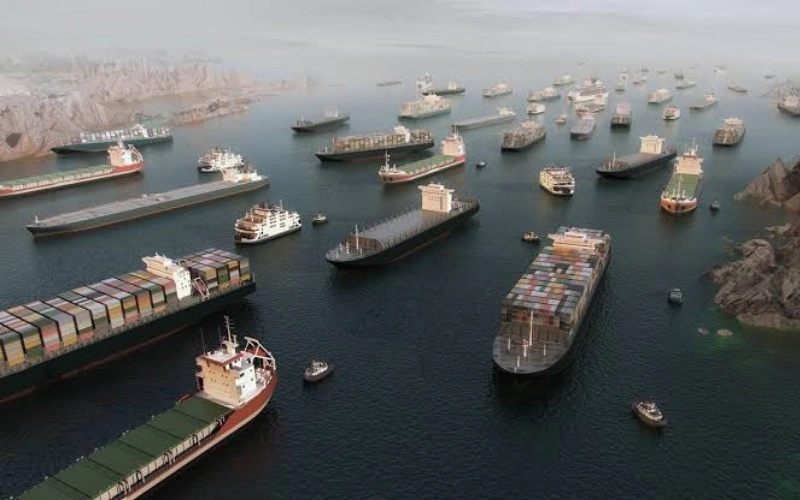
The war has effectively blocked the Strait of Hormuz, limiting the group’s ability to quickly raise or cut supply to offset losses elsewhere. Since March, OPEC+ has announced six oil output increases, but most have remained largely on paper because of the blockade, with little effect on prices. A brief U.S.-Iran ceasefire in July briefly raised hopes that the strait would reopen, offering a temporary reprieve.
The contrast with 2019 is stark. Then, OPEC+ and then-President Donald Trump regularly clashed over oil prices, and traders closely watched the group’s decisions for their market impact. The key question was how much oil OPEC+ chose to pump. Now, the focus is how much oil can physically be produced and exported amid a Middle East war.
While supply disruptions are not new for OPEC, from Kuwait during the 1990-91 Gulf War to Iraq after the 2003 U.S.-led invasion, the scale of the current outage is unusual. It is constraining multiple producers simultaneously, reducing the group’s ability to compensate for losses.
Instead, one of the biggest price drivers in 2026 has been a steep decline in Chinese crude imports. Since the war began, China has bought roughly 400 million fewer barrels of oil than during the same period last year, reflecting a ban on fuel exports, lower refining output and the growing use of electric transport.
That decline has helped place a ceiling on prices this year, highlighting China’s growing role as the world’s swing demand center, a function once associated almost exclusively with OPEC+.
China’s buying spree last year, which may have accounted for as much as half of global oil demand growth, helped underpin the market. Its weaker demand now is balancing oil markets amid what analysts describe as the worst-ever supply disruption.
OPEC did not reply to a request for comment. The group says its decisions are aimed at supporting market stability and it does not target a specific oil price.