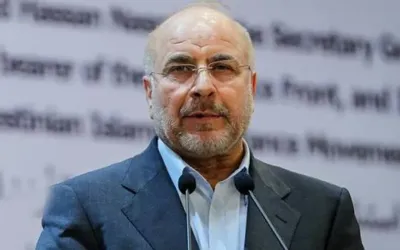
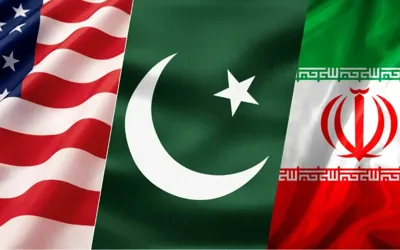
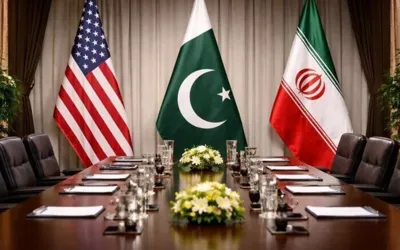
Iran has confirmed that nuclear talks with the United States will take place on Friday in Oman, signaling a renewed diplomatic push amid heightened regional tensions.
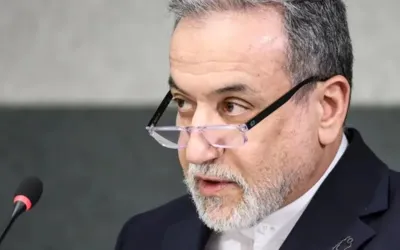
Iranian Foreign Minister Abbas Araghchi announced late Wednesday that the talks are scheduled for 10:00 a.m. local time in Muscat (06:00 GMT). The confirmation came after earlier reports suggested the meeting was at risk due to disagreements over its format and location.
“I’m grateful to our Omani brothers for making all necessary arrangements,” Araghchi wrote on social media.
Iranian President Masoud Pezeshkian said on Tuesday that he had instructed the foreign minister to pursue “fair and equitable negotiations,” underscoring Tehran’s public commitment to the talks.
Washington has also confirmed its participation. A White House official, speaking to The Associated Press, said the United States agreed to hold high-level talks in Oman rather than Turkiye, which had previously been under consideration.
According to two sources familiar with the negotiations, mediators from Qatar, Türkiye and Egypt have presented both sides with a proposed framework outlining key principles for discussion. These reportedly include a commitment by Iran to significantly limit uranium enrichment, as well as restrictions on ballistic missile development and the arming of allied groups in the region. One source, a senior diplomat, spoke on condition of anonymity due to the sensitivity of the talks.
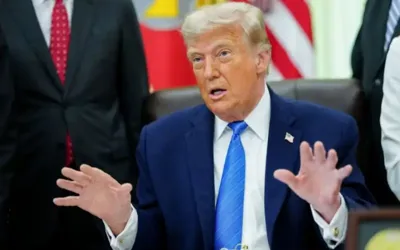
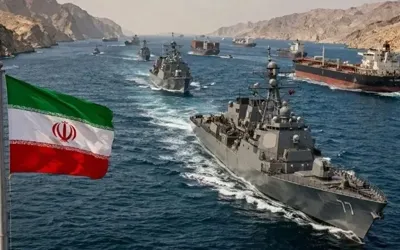
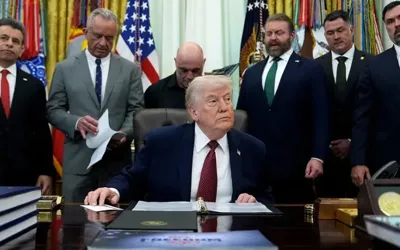
The negotiations come as the Middle East braces for potential military escalation. US President Donald Trump recently ordered American forces to amass in the Arabian Sea following a violent crackdown on protesters in Iran last month, raising concerns of a possible US attack.
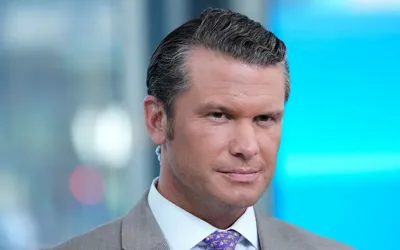
US Secretary of State Marco Rubio said Washington intends to raise issues beyond Iran’s nuclear programme, including its ballistic missile capabilities, regional proxy networks and human rights record.
“The leadership of Iran at the clerical level does not reflect the people of Iran,” Rubio told reporters. “I know of no other country where there’s a bigger difference between the people who lead the country and the people who live there.”
The talks mark another attempt to revive diplomacy between Tehran and Washington, which have lacked formal diplomatic relations since 1980.
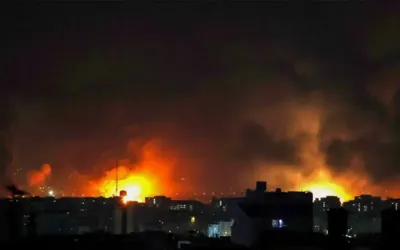
Previous discussions held in Muscat in June failed to produce a breakthrough after Israel launched strikes on Iran, followed by US air attacks on several Iranian nuclear sites.