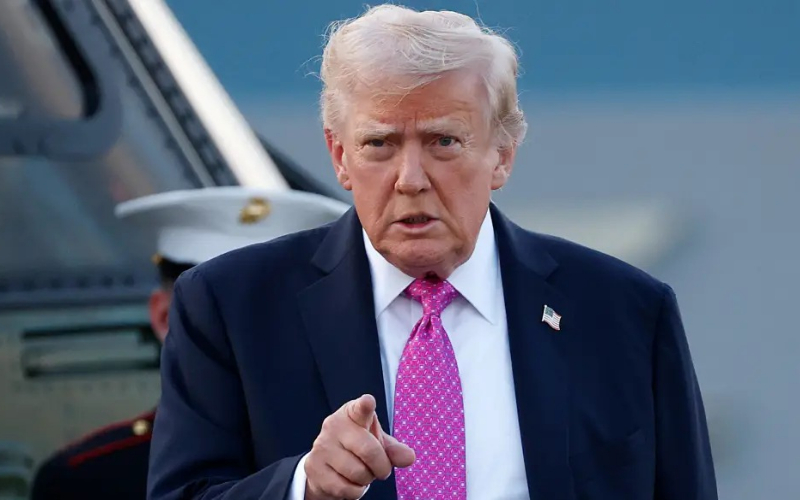
ABOARD AIR FORCE ONE / CAIRO: US President Donald Trump has opened the way for talks with Iran, saying negotiations will begin Monday as Washington looks for a diplomatic solution to ease tensions and prevent further escalation in the region.
Trump said he had delayed a planned attack on Iran to give diplomacy more time, adding that he wanted to reach an agreement over Tehran’s nuclear activities and the reopening of the Strait of Hormuz, a key route for global energy shipments.
While returning to Washington from New Jersey on Sunday, Trump told reporters that discussions would begin Monday afternoon but did not reveal where the talks would take place or who would participate.
When asked whether Iran had been given a deadline to reach an agreement, Trump avoided setting a timeline and said he preferred negotiations over further military action.
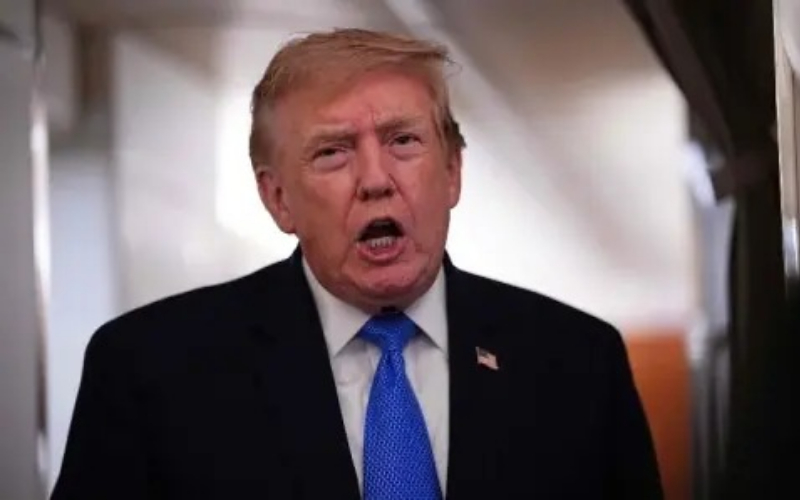
“Would I rather make a deal? I’m not looking to kill people because people die, a lot of people die, and we don’t want that,” Trump said.
Read More: Trump halts planned Iran strike, cites progress toward deal
Earlier, Trump said on his Truth Social platform that Iran and other Middle Eastern countries had requested additional time to complete a deal that could lead to the “Immediate, Complete and Total” reopening of the Strait of Hormuz and address what he described as Iran’s nuclear threat.
The Strait of Hormuz has become one of the main concerns during the conflict as the waterway handles around 20% of the world’s oil and liquefied natural gas shipments.
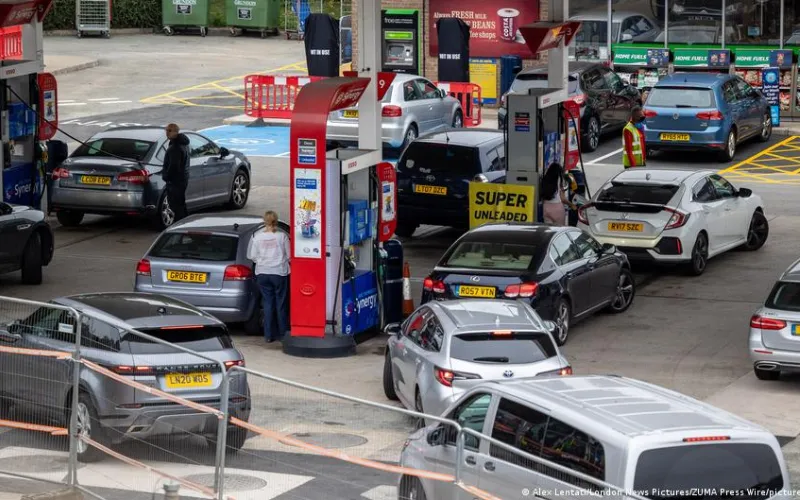
The ongoing tensions have disrupted regional shipping activity, pushed energy prices higher, and raised concerns about wider economic consequences. Oil prices, however, fell more than 4% in early trading on Monday as markets reacted to signs that diplomatic efforts could reduce the risk of further escalation.
Trump has argued that preventing Iran from developing nuclear weapons remains a key objective, even if the conflict creates short-term pressure on fuel prices and global markets.
Iran’s Foreign Minister Abbas Araqchi held phone conversations with Saudi Foreign Minister Prince Faisal bin Farhan and Pakistan’s army chief Asim Munir to discuss diplomatic efforts, according to Iranian state media.
Iranian officials also said negotiations with Oman regarding arrangements linked to the Strait of Hormuz were nearing completion.
Iranian Foreign Ministry spokesperson Esmaeil Baghaei said the discussions were focused on establishing a new route through the strait, adding that the issue was separate from whether the waterway would be officially opened or closed.
Last month, Iran rejected an Omani proposal backed by Gulf countries regarding management arrangements for the strait. Sources previously said the plan included voluntary fees for vessels using the route.
Meanwhile, Israeli Energy Minister Eli Cohen said Israel and the United States remain in close security and intelligence coordination over developments in the region.
Cohen warned that Israel would take action if Iran attempted to restart its nuclear programme or expand its ballistic missile capabilities, regardless of any diplomatic agreement.
Trump and Israeli Prime Minister Benjamin Netanyahu recently discussed possible approaches to limiting Iran’s nuclear programme, including diplomatic negotiations, economic pressure, and military options.
Iran has repeatedly denied that it is seeking to develop nuclear weapons, saying its nuclear programme is intended for peaceful purposes.
The upcoming US-Iran talks will be closely watched as they could determine whether tensions in the region move toward de-escalation or further confrontation.
The future of the Strait of Hormuz and progress on nuclear negotiations remain key factors for regional security and global energy markets.