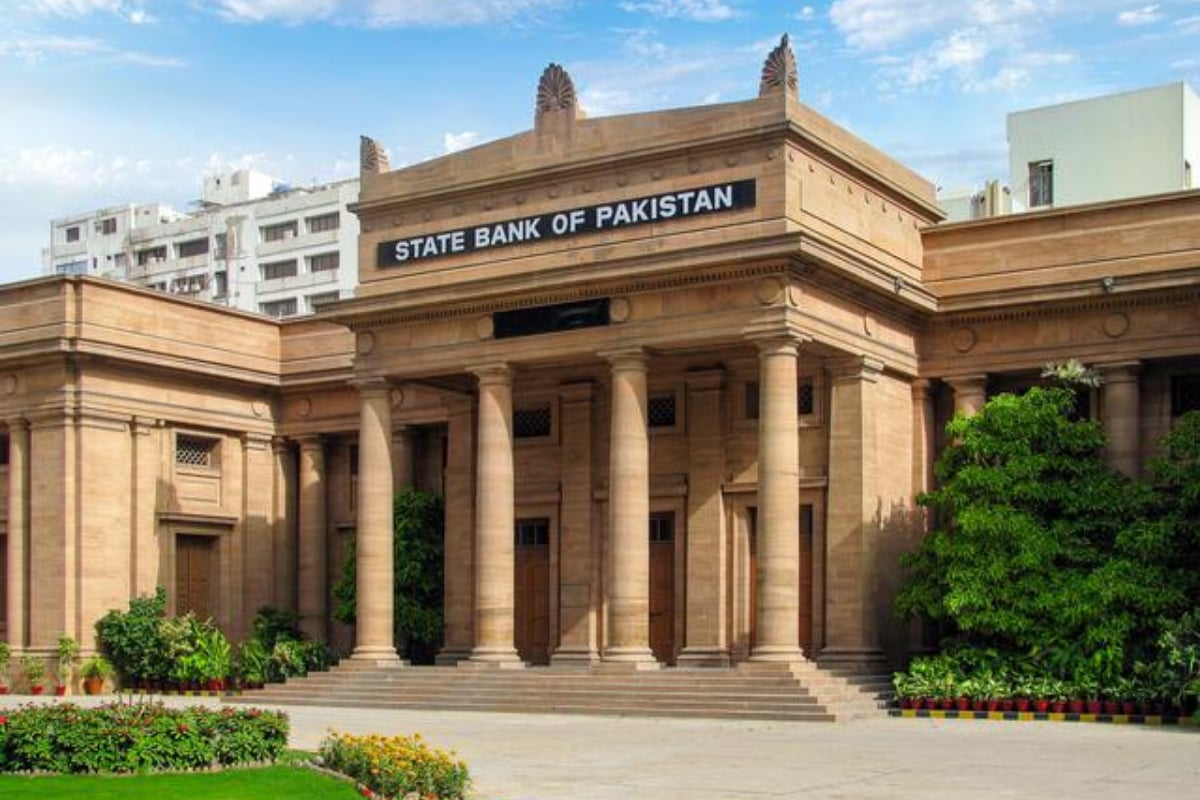
KARACHI: The State Bank of Pakistan’s Monetary Policy Committee kept its benchmark policy rate unchanged at 11.5% on Monday, pausing after a rate hike at its previous meeting.
The decision, the fourth MPC meeting this year, came as market analysts were divided over the central bank’s next move.
In April, the committee raised the rate by 100 basis points to 11.5%, a move that aligned with expectations.
The Monetary Policy Committee decided to keep the policy rate unchanged at 11.5 percent in its meeting held on June 15, 2026.#SBPMonetaryPolicy
— SBP (@StateBank_Pak) June 15, 2026
Headline inflation surged to 11.7% year-over-year in May, up from 7.3% in March, driven by higher domestic energy prices, transportation costs, and an unanticipated spike in wheat and food prices. Core inflation also rose to 8.7% in May, the central bank said in its monetary policy statement.
The committee noted that global oil prices have eased following recent geopolitical developments but remain elevated compared with pre-conflict levels. The conflict has begun to impact macroeconomic conditions in many economies, and a growing number of central banks have started raising policy rates, the SBP said.
Pakistan’s real GDP grew an estimated 3.7% in fiscal year 2026, up from 3.2% the previous year, according to provisional data from the Pakistan Bureau of Statistics. However, the MPC observed that growth momentum was notably higher before the conflict, and austerity measures have weighed on activity.
On the external front, the current account recorded a cumulative deficit of $0.2 billion in July-April FY26. Still, official inflows and resilient workers’ remittances helped boost the SBP’s foreign exchange reserves to $17.2 billion as of June 5. The central bank projects reserves will reach $18 billion by end-June.
The government achieved a primary surplus of 2.5% of GDP in FY26 and is targeting a 2% surplus for FY27, the statement said. The MPC emphasized the need for continued fiscal consolidation and structural reforms, including broadening the tax base and reforming state-owned enterprises.
The committee assessed that inflation may remain in double digits for the next several months before gradually easing, though risks remain from geopolitical developments, power and gas tariff adjustments, potential fiscal slippages, and uncertain food prices due to weather challenges.
The MPC reiterated its commitment to price stability and said the current monetary stance remains appropriate to guide inflation toward the target range of 5% to 7% over the medium term.
Ahead of the June 15 meeting, brokerage house Topline Securities reported sharp divisions in market sentiment. In a poll conducted by the firm, 49% of respondents expected no change in the policy rate, while 49% predicted an increase, including 34% forecasting a 50-basis-point hike and 15% expecting a 100-basis-point increase. Only 2% anticipated a cut of up to 50 basis points.
“The uncertainty/mixed view over rate change expectations is primarily driven by high volatility in oil prices,” Topline said in a note. “Our view of the status quo is backed by efforts and steps taken by involving parties in the war and active mediation by Pakistan.”