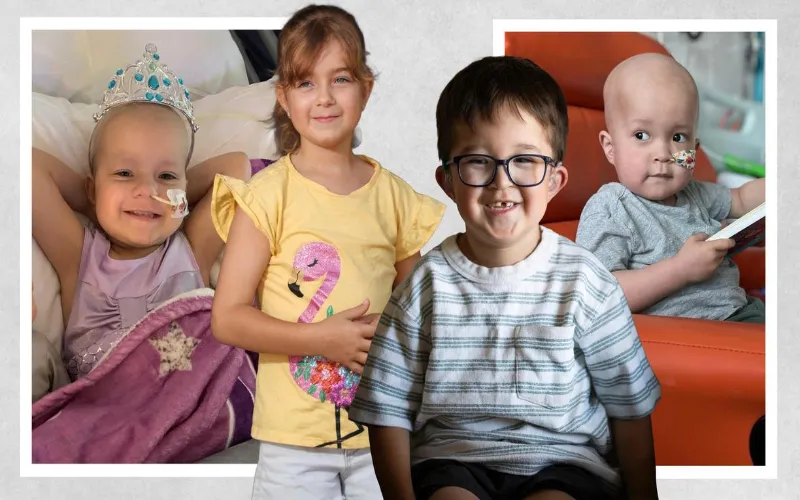
Childhood cancer survivors often face serious health risks later in life, even after successful treatment. However, new research shows that simple lifestyle choices like regular exercise, healthy eating, and avoiding smoking can significantly lower the risk of heart disease and other long term complications.
Childhood cancer survivors already face a higher risk of cardiovascular disease and other chronic illnesses. This is often linked to the treatments they received, such as chemotherapy and radiation, which save lives but can also affect long-term health.
However, new research shows that lifestyle choices also play a powerful role in shaping future health outcomes.
One major study followed more than 18,000 childhood cancer survivors for up to 30 years. It found that many long term health problems were linked to lifestyle factors such as physical inactivity, obesity, smoking, and high alcohol use.
In fact, researchers found that these lifestyle risks can contribute to disease levels similar to those caused by cancer treatments themselves. This shows that daily habits can strongly influence long-term recovery.
In another study, scientists focused on people who had Hodgkin’s lymphoma during childhood or teenage years. This study included more than 2,300 survivors. The results showed that people who did not exercise regularly had a much higher risk of cardiovascular disease.
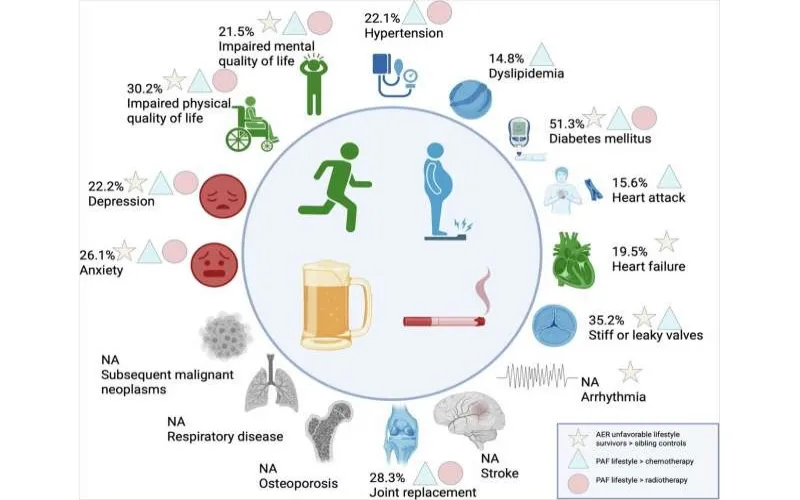
Researchers found their risk was about 1.4 times higher compared to the general population, and far higher than what would be expected from low physical activity alone.
Experts say physical activity is especially important for this group. Even small amounts of regular movement can help improve heart health, reduce weight gain, and support overall recovery. In addition, healthy eating and avoiding harmful habits can further reduce long term risks.
Researchers also highlight that lifestyle changes are possible at any age. Unlike cancer treatments, which cannot be changed after they are given, daily habits can be improved over time. Because of this, scientists believe survivors should receive long-term support to help them stay active and healthy.
Health experts are now calling for structured programs to guide childhood cancer survivors. These programs may include fitness plans, diet advice, mental health support, and regular health checkups. Some hospitals already include lifestyle education as part of long term follow up care.
Additional research in global health also supports these findings. Studies consistently show that regular exercise improves heart function, boosts immunity, and lowers the risk of many chronic diseases. Experts say that combining medical follow up with healthy lifestyle support can greatly improve quality of life for childhood cancer survivors.
Overall, researchers conclude that healthy living is a key part of long term care after childhood cancer. Simple changes like staying active, eating well, and avoiding smoking can help reduce serious health risks and improve life expectancy.