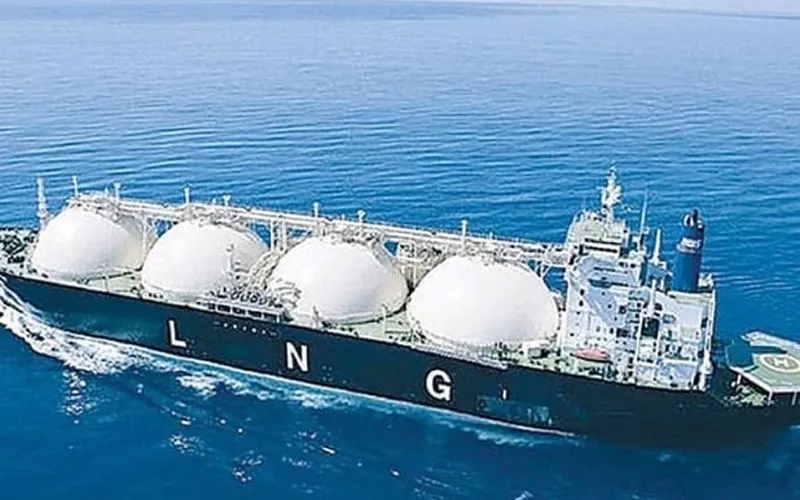
ISLAMABAD: Pakistan’s energy regulator has increased the price of Regasified Liquefied Natural Gas (RLNG) by around 15% for gas distribution companies this month following emergency purchases from the international spot market amid supply disruptions linked to regional geopolitical tensions.
According to a notification issued by the Oil and Gas Regulatory Authority (OGRA), RLNG prices at the distribution stage rose nearly 15% compared to the previous month, marking an increase of about 56% from March and around 73% higher than February levels.
The increase comes after Pakistan resorted to expensive LNG procurement from the global spot market due to disruptions in regular supply chains, reportedly linked to regional instability and logistical challenges affecting energy flows.
Rising import costs have significantly increased the overall fuel expense for electricity generation across the country.
Data shows that RLNG-based electricity generation costs climbed to PKR 31 per unit in May, compared to PKR 13.72 per unit in April, reflecting the sharp increase in imported fuel prices.
Energy analysts warn that the surge may further pressure electricity tariffs and overall production costs in the coming months.
For Sui Northern Gas Pipelines Limited (SNGPL), which supplies Punjab and Khyber Pakhtunkhwa, OGRA increased the transmission-stage RLNG price by 14.85% to USD 17.94 per million British thermal units (mmBtu), up from USD 15.62 per mmBtu.
At the distribution stage, the price rose by 14.94% to USD 19.52 per mmBtu, compared to USD 16.98 per mmBtu earlier.
For Sui Southern Gas Company Limited (SSGCL), serving Sindh and Balochistan, the transmission-stage price increased by 16% to USD 16.36 per mmBtu, while the distribution-stage rate rose by 16.17% to USD 18.64 per mmBtu.
The latest revision reflects ongoing volatility in global energy markets and Pakistan’s increasing reliance on costly spot LNG imports, raising concerns over future energy pricing and electricity costs.