ISLAMABAD: Pakistan window to reap a demographic dividend is closing fast unless the government delivers rapid, measurable gains in child nutrition, stunting reduction and basic learning, a senior World Bank said during high level talks with the country’s finance minister.
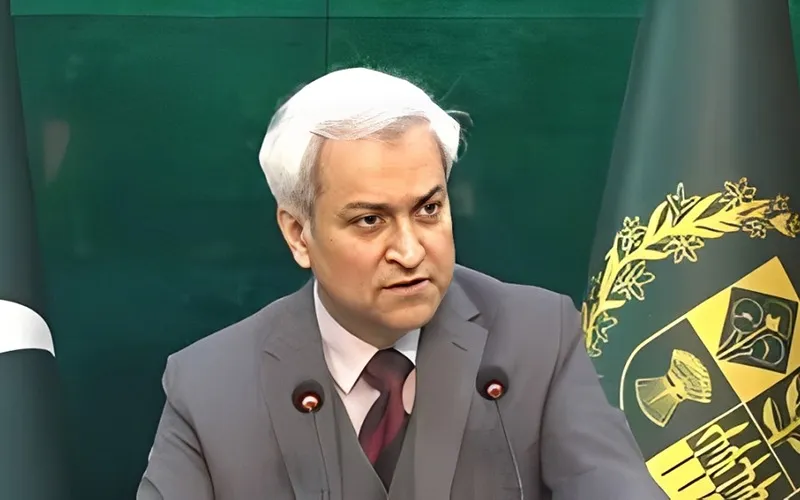
“Long term development outcomes depend on sustained progress in key human capital indicators,” Mamta Murthi, the bank’s vice president for human development, told Finance Minister Muhammad Aurangzeb at a meeting in the Finance Division.
She singled out child nutrition, stunting, foundational learning and access to quality health care and education as urgent priorities.
Aurangzeb welcomed the World Bank delegation and acknowledged that while Pakistan has restored some macro-economic stability, the government is now pivoting to social and human development, driven by a young and rapidly expanding population that presents both a historic opportunity and a steep challenge.
“Pakistan’s large and youthful population is a significant opportunity and an important policy priority,” Aurangzeb said, calling for stronger human capital indicators, higher workforce participation and skills training aligned with labor market needs.
The meeting focused heavily on maternal and child health, immunization, early childhood development and population pressures. The World Bank delegation included Country Director Bolormaa Amgaabazar, Regional Director for Human Development Keiko Inoue, Health Practice Manager Sherin Varkey and IFC Director Simon Andrews.
Aurangzeb said sustained economic growth requires continued investment in people, alongside reforms to boost productivity, service delivery and job creation.
Discussions also explored using artificial intelligence and digital technologies in health care, education and workforce development. Aurangzeb stressed the need to prepare Pakistan’s workforce for a rapidly evolving global economy, while the World Bank side cited international examples of technology driven service delivery and private sector participation.
On skills and jobs, Aurangzeb said up-skilling and re-skilling the workforce, especially young people, is central to the government’s broader economic transformation agenda. He called for stronger industry linkages and greater private sector involvement in training programs tied to actual labor market demand.
Murthi invited Pakistan to attend a global forum on Universal Health Coverage in Japan later this year, a collaborative initiative backed by the Japanese government and co-facilitated by the World Bank and the World Health Organization.
Aurangzeb reaffirmed the government’s commitment to advancing reforms that strengthen human capital, improve social outcomes, expand employment and support inclusive growth. Both sides pledged continued collaboration on health, education, social protection, workforce development and technology enabled service delivery.