KARACHI: Pakistan’s electricity generation capacity crossed 49,651 megawatts by the end of March 2026, with cleaner energy sources accounting for more than half of the country’s power output for the first time, according to the Pakistan Economic Survey 2025-26.
Hydel, nuclear and renewable sources combined contributed 53.1 percent of total electricity generation during the July-March period of fiscal year 2026, a notable shift away from the thermal power plants that have long dominated the national grid.
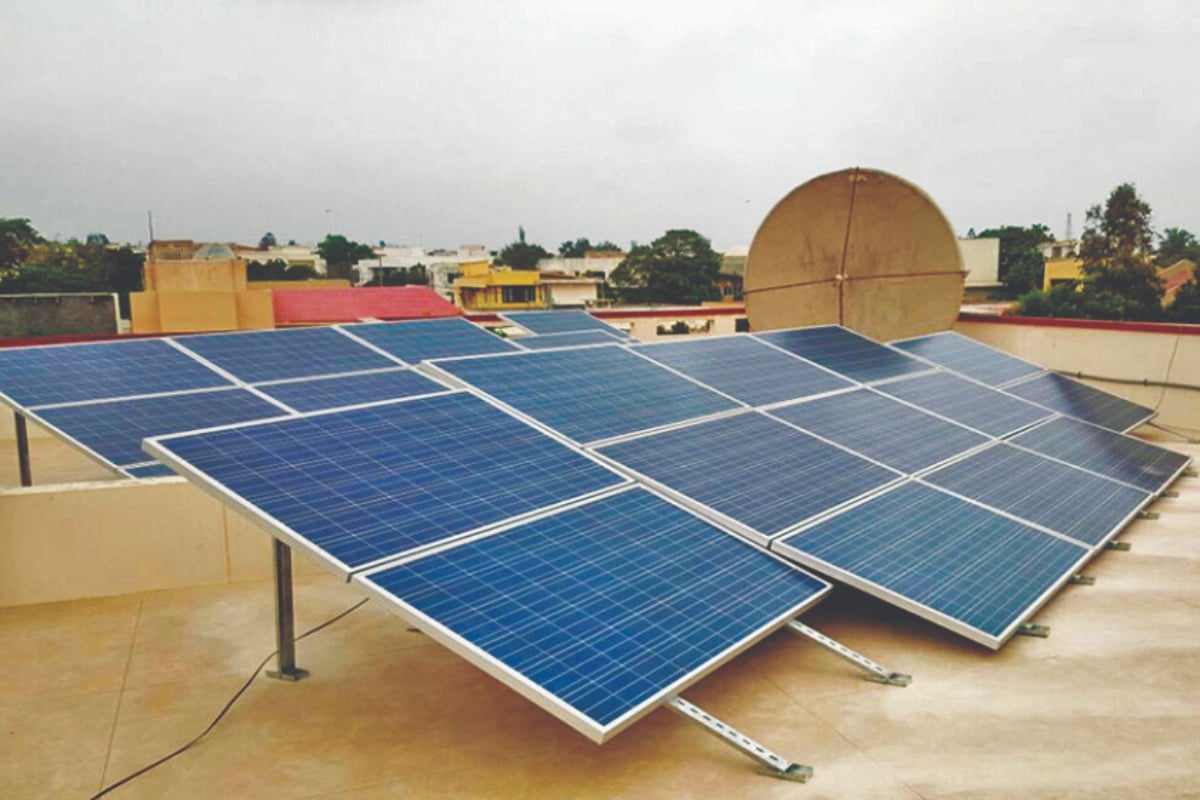
Total electricity generated during those nine months reached 92,835 gigawatt-hours, up from 89,809 GWh in the same period a year earlier. Installed capacity rose 8.5 percent from 45,782 MW, driven in large part by rapid expansion of rooftop and distributed solar under the government’s net-metering program, which alone added 7,319 MW.
The share of thermal power in installed capacity fell to 49.2 percent from 56.7 percent a year ago, while renewables surged to 20.3 percent of installed capacity from 12.4 percent over the same period.
Households still dominate electricity use; Industry surges
Total electricity consumption rose 3.8 percent to 83,143 GWh during July-March FY 2026, compared with 80,811 GWh a year earlier.
The household sector remained the largest consumer, though its share dipped to 47.5 percent from 49.6 percent in the prior-year period, a trend the survey attributed to high tariffs pushing consumers toward conservation and alternative energy sources.
Industrial consumption jumped sharply, climbing from 21,083 GWh to 26,205 GWh, lifting the sector’s share of national consumption from 26.3 percent to 31.5 percent.
Agriculture saw the steepest decline of any sector, with electricity use falling 42.3 percent to 2,636 GWh, as farmers increasingly shifted to solar-powered tube wells and diesel alternatives amid rising electricity costs.
Nuclear plants rank first and second in national safety evaluation
Pakistan’s six operating nuclear power plants generated 17,133 GWh during July-March FY 2026, representing 18.5 percent of total electricity output.
The Chashma Nuclear Power Generating Station near Mianwali and the Karachi Nuclear Power Station together hold a combined installed capacity of 3,530 MW. The overall capacity factor for nuclear plants ran at approximately 80 percent despite low demand conditions nationally.
In a significant recognition of operational standards, the national electricity regulator NEPRA ranked both stations first and second among 149 power sector companies in its 2024-25 health, safety and environment performance evaluation.
Construction of a new 1,200 MW unit, designated C-5, began at Chashma on Dec. 30, 2024, with the plant expected to join the grid by 2030-31.
Oil import bill climbs as middle east tensions roil markets
Geopolitical tensions around the Strait of Hormuz pushed Pakistan’s petroleum import bill higher during the review period, with total petroleum product imports reaching 13.88 million metric tonnes, a 10.8 percent increase in volume, at a cost of $8.9 billion, up from $8.4 billion a year earlier.
The transport sector, which accounts for 82.5 percent of domestic petroleum demand, posted a 6.7 percent increase in consumption to 11.25 million metric tonnes as road freight and commercial vehicle activity recovered.
Crude oil imports rose 24.9 percent in volume to 8.45 million metric tonnes, with the import value rising 21.9 percent to $5.0 billion.
In contrast, power sector petroleum use fell 15 percent and industrial consumption dropped 42.6 percent, reflecting a broader shift toward natural gas, coal and renewables in both sectors. Agriculture sector petroleum demand collapsed 61.7 percent, driven by rapid adoption of solar-powered irrigation.
Gas consumption declines slightly; LNG fills supply gap
Average natural gas consumption stood at 2,929 million cubic feet per day (MMCFD) during July 2025 through March 2026, down from 3,143 MMCFD in the year-earlier period. Of that total, 613 MMCFD came from re-gasified liquefied natural gas imported through two floating storage and regasification units with a combined capacity of 1,200 MMCFD.
Depletion of domestic gas reserves remains a structural concern, the survey noted, with no significant new discoveries reported. Gas utility companies SNGPL and SSGCL extended 729 kilometers of new mains pipelines and added 149,908 new customer connections, mostly residential, during the period.
Thar coal expands role in national grid
Coal consumption rose to 21.41 million metric tonnes during July-March FY 2026, up from 16.17 million metric tonnes in the same period last year. The power sector accounted for 59.6 percent of that total.
Five Thar coal-fired power plants with a combined capacity of 3,300 MW are now supplying the national grid, and the government is pursuing the partial conversion of three large CPEC-era imported-coal plants, totaling 3,960 MW, to blended Thar coal. Full conversion of the 660 MW Jamshoro Power Project to indigenous Thar coal is also under way.
Pakistan holds an estimated 175 billion metric tonnes of Thar coal reserves, which the survey described as sufficient for base-load power generation “for decades to come.”
Private Power Board oversees $28.7 billion portfolio
The Private Power and Infrastructure Board reported it is overseeing 90 operational independent power producers with a combined capacity of 20,769 MW and cumulative investment of $28.7 billion.
Among 19 new projects under facilitation, 16 are classified as renewable energy or hydropower, meaning 84 percent of the pipeline by project count will draw on clean energy sources. Hydropower projects dominate upcoming additions, accounting for 4,564 MW — or 70 percent — of the 6,536 MW in the forward portfolio.
A 32 MW bagasse-fueled power plant at Shahtaj Sugar Mills achieved commercial operations in October 2025, the board said, and will supply 126 million units annually to the grid over a 30-year lifespan.
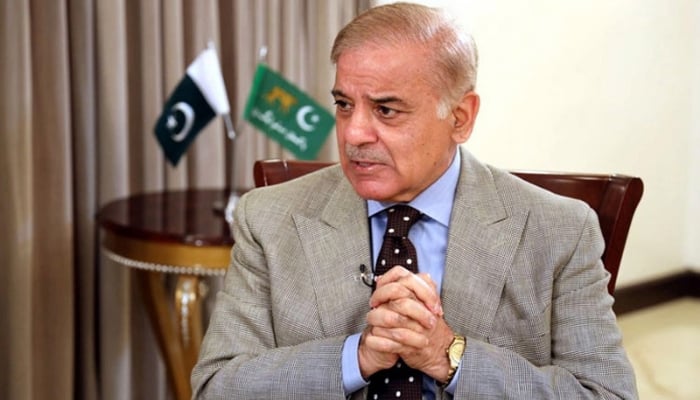
Prime Minister Shehbaz Sharif granted in-principle approval for a 40 MW power project in the Gwadar region, which is to be tendered through international competitive bidding. A 100 MW solar photovoltaic project in Gilgit-Baltistan is advancing under both rooftop and utility-scale development tracks.