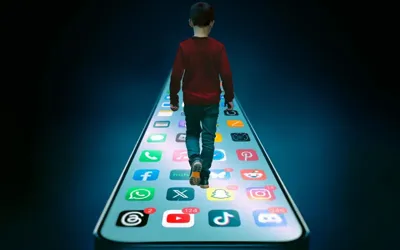
NEW YORK: The European Commission (EU) has proposed banning children under 13 from accessing social media as part of a new EU-wide framework aimed at protecting minors online.
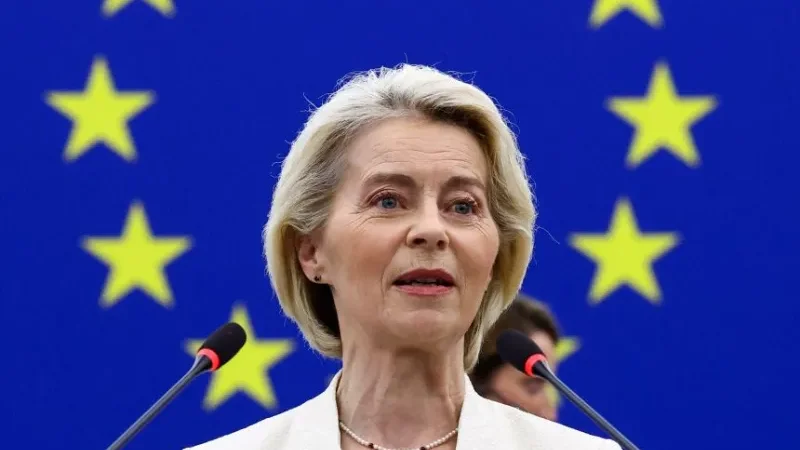
European Commission President Ursula von der Leyen announced the proposed EU KIDS Act during her annual State of the Union address to the European Parliament. The European Commission formally adopted the proposal on Sept. 17.
Under the proposal, children under 13 would be prohibited from accessing social media platforms. Those aged 13 to under 15 would not be allowed to have independent personal accounts but could use parent- or guardian-supervised "mini accounts" with limited features and a one-hour daily time restriction.
For teenagers aged 15 to 18, social media platforms would be required to provide safer designs and stronger protections against harmful or addictive features.
The proposed rules would also target features such as infinite scrolling, personalized advertising and unsolicited contact from strangers.
The proposal would require platforms to demonstrate that their services are age-appropriate and safe by design. It also calls for stronger age-verification measures and additional safeguards for minors using AI systems, including AI companions and chatbots.
The European Commission said the proposed legislation is intended to create a common EU-wide approach to protecting children from risks associated with digital services and AI systems.
The KIDS Act still requires approval by EU member states and the European Parliament before it can become law.