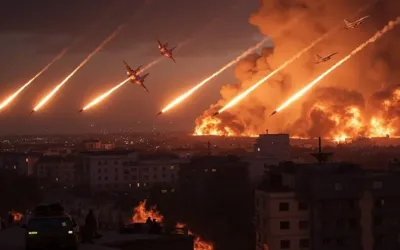
The United States carried out another round of strikes inside Iran on Wednesday, further escalating tensions as diplomatic efforts to end the conflict remain uncertain.
The latest military action came shortly after President Donald Trump warned Tehran of consequences over what he described as delays in negotiations.
Confirming the operation, the US Central Command (CENTCOM) said American forces struck multiple sites in Iran, calling the action a response to Iran’s “continued aggression.” The development marks the second straight day of US strikes, adding fresh uncertainty to already fragile efforts aimed at preventing a broader conflict.
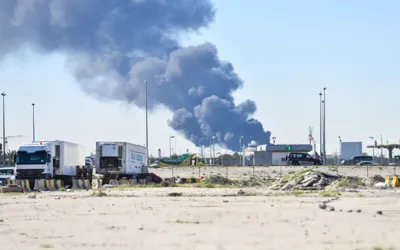
The escalation unfolded just hours after Bahrain, Kuwait and Jordan countries that host US military bases reported Iranian attacks. It was another sign of rising instability in the region, where repeated exchanges of fire have continued to test a ceasefire that has struggled to hold in recent weeks.
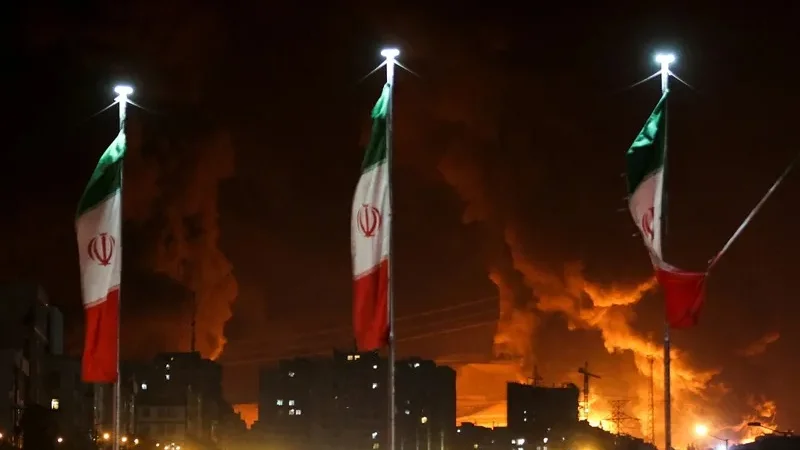
Iranian media reported explosions in parts of southern Iran, including Bandar Abbas, Sirik and Minab, with air defense systems activated in several locations.
Local reports later claimed that strikes damaged water infrastructure in Sirik, temporarily disrupting drinking water supplies in nearby communities.
Read More: Trump warns Iran ‘will have to pay the price’ as strikes escalate in MideastWashington said the latest military action followed the recent crash of a US Army helicopter near the Strait of Hormuz, an incident Trump publicly linked to Iran. However, US officials later indicated the aircraft may have collided with an Iranian drone, while investigations into the incident continue.
Trump has repeatedly pushed for a negotiated settlement, suggesting earlier this week that an agreement with Tehran could be reached soon. However, his tone shifted sharply on Wednesday, when he accused Iran of slowing the process and warned that the country would “pay the price.”
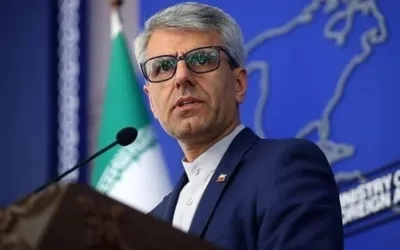
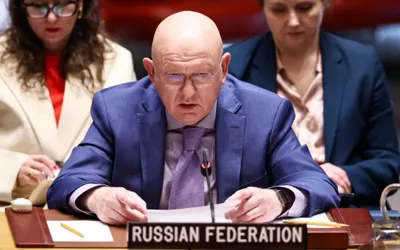
Iran, meanwhile, has maintained that pressure tactics will not force it to negotiate. Addressing the United Nations Security Council, Iran’s envoy Amir Saeid Iravani said Tehran would not enter talks under threats or military pressure, urging Washington to move away from confrontation if it seeks a diplomatic outcome.
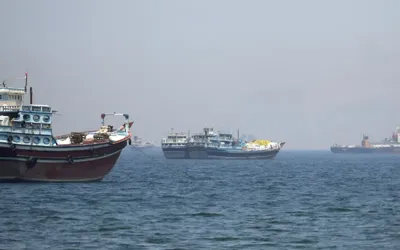
The growing tensions have once again drawn attention to the Strait of Hormuz, one of the world’s most important shipping lanes for oil and gas exports. Iran has long viewed the strategic waterway as one of its strongest pressure points in regional disputes.
Trump claimed the US had quietly assisted oil shipments passing through the Strait in recent weeks, saying military efforts helped vessels move despite tensions in the area. Although he suggested millions of barrels had safely crossed the route, no independent confirmation was immediately available.
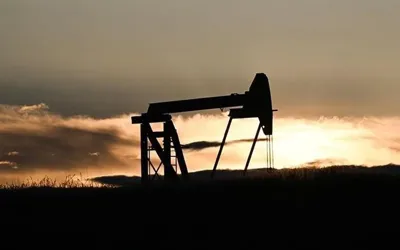
The conflict is also beginning to impact global markets. Oil prices climbed above $93 a barrel, reflecting investor concerns over supply disruptions and growing instability in the Gulf region.
Elsewhere in the Middle East, Iran said it had launched retaliatory actions targeting areas linked to US military presence in Jordan, Bahrain and Kuwait, though officials in those countries reported intercepting incoming projectiles.
Despite the rising hostilities, diplomatic engagement has not completely stopped. Reports indicate a delegation from Qatar arrived in Tehran on Wednesday as part of ongoing mediation efforts aimed at reducing tensions and reviving negotiations.
However, significant disagreements remain unresolved. Washington continues to demand that Iran give up its stockpile of highly enriched uranium, while Tehran insists its nuclear activities are peaceful and has linked any future agreement to sanctions relief and access to frozen financial assets.
Iran has also pushed for broader regional guarantees, including an end to fighting involving its allies, particularly Hezbollah, which remains engaged in conflict with Israel. New Israeli strikes in southern Lebanon on Wednesday added another layer of uncertainty to an already volatile situation.
With military exchanges intensifying and diplomatic progress appearing increasingly fragile, concerns are growing that the crisis could move beyond isolated confrontations and trigger a wider conflict across the region.