Lebanon’s Prime Minister Nawaf Salam announced a ban on Hezbollah’s military and security operations on Monday, following a sharp escalation between the Iran-backed group and Israel.
The announcement came hours after Israel launched airstrikes on southern Beirut in response to Hezbollah rocket and drone attacks. Lebanese authorities reported that more than 30 people were killed and 149 injured in the Israeli strikes, according to the state-run National News Agency.
“We announce a ban on Hezbollah’s military activities and restrict its role to the political sphere,” Salam said in an official statement. He added that all military and security operations conducted outside the authority of the Lebanese state would be considered illegal.
“We declare our rejection of any military or security operations launched from Lebanese territory outside the framework of legitimate institutions,” Salam said, calling on security forces to prevent further attacks originating from Lebanon.
The prime minister also emphasized Lebanon’s commitment to halting hostilities and returning to diplomatic negotiations.
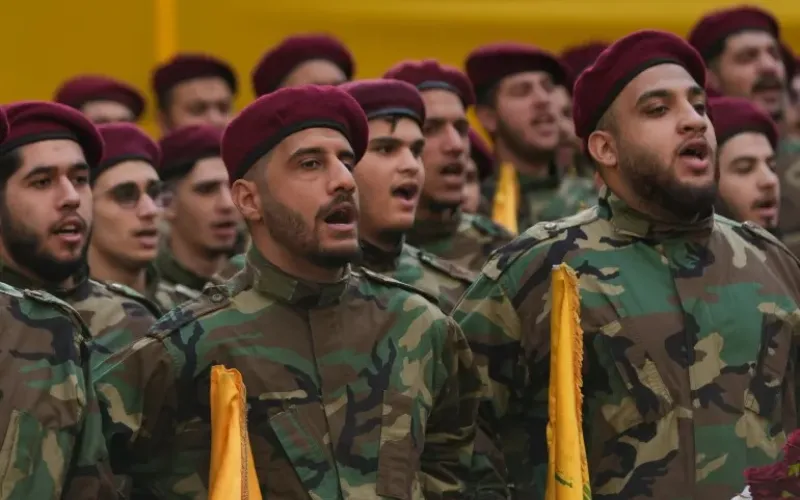
Hezbollah, which operates independently from the Lebanese government, said earlier that its attacks were carried out in retaliation for the killing of Iran’s Supreme Leader Ali Khamenei. The group described its actions as being “in defense of Lebanon and its people” and in response to what it called repeated Israeli aggression.
Israel’s military responded by targeting sites in Beirut, marking one of the most significant escalations in recent months.
Hezbollah has been significantly weakened since the 2024 conflict with Israel, during which many of its senior military and political leaders were killed. Despite this, the group continues to wield considerable political influence within Lebanon.
The situation remains tense as regional and international actors monitor developments amid fears of further escalation.