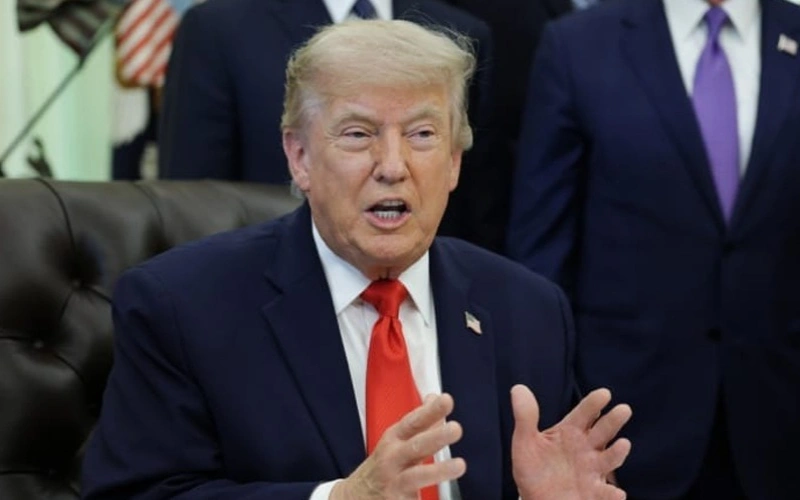
WASHINGTON: A fragile U.S.-Iran calm has been shattered, with President Donald Trump warning of further strikes after Iran launched missiles at U.S. bases in Jordan, reigniting fears of a wider conflict.
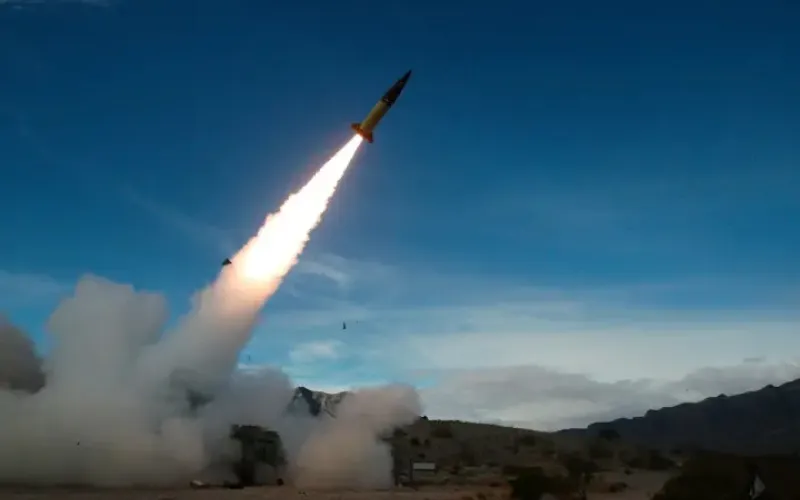
Iran’s overnight attack came after U.S. forces struck two Iranian launchers on Larak Island near the Strait of Hormuz. Washington said the launchers were being prepared to fire rockets carrying sea mines into the strategic waterway, a major route for global energy shipments.
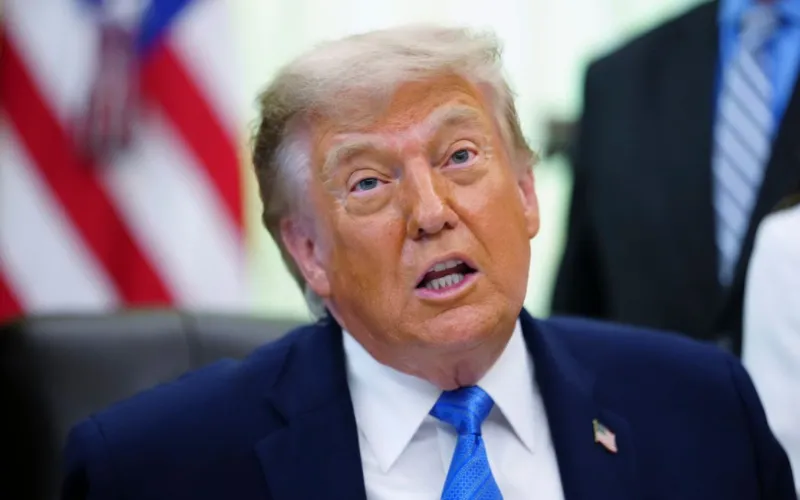
Trump signaled that the United States would respond forcefully but said the latest exchange did not necessarily mean the two countries were returning to full-scale war.
“We’re going to hit them hard,” Trump was quoted by Fox News as saying. “There will be a response.”
The president also said Iran’s military and economy had been severely weakened. A senior Iranian source described the exchange as limited and warned that Tehran would respond harshly if Washington launched another attack.
Missile exchange raises new escalation risks
The U.S. strike on Larak Island marked Washington’s first known direct attack on Iran in weeks. U.S. Central Command said it had taken “limited, precise” action against Islamic Revolutionary Guard Corps forces that posed an imminent threat to shipping in the Strait of Hormuz.
Iranian media reported that three people were killed in the strike, including members of the Revolutionary Guards’ naval forces. The reports could not be independently verified.
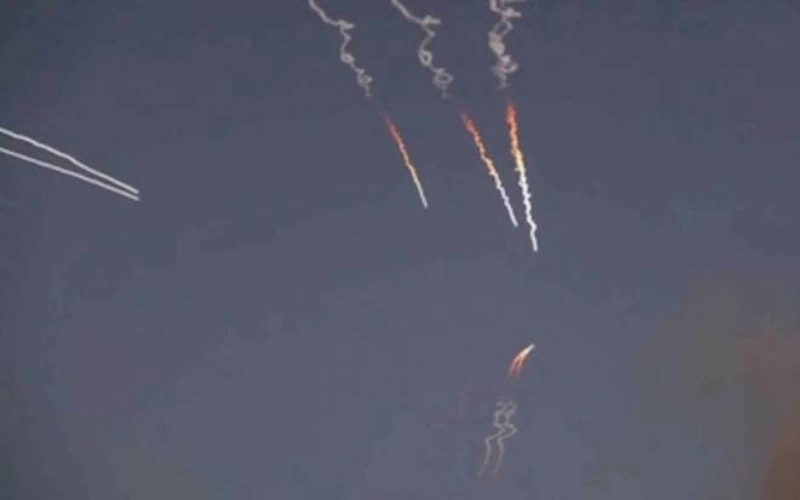
Iran later launched missiles toward two U.S. bases in Jordan. Jordanian authorities said their air defenses intercepted eight missiles.
The exchange underscored the continuing vulnerability of the Strait of Hormuz, through which about one-fifth of the world’s oil and gas shipments normally pass. Any prolonged disruption could affect global energy prices and international shipping.
Sanctions keep pressure on Tehran
Even as military tensions resurfaced, the Trump administration continued to focus heavily on economic pressure.
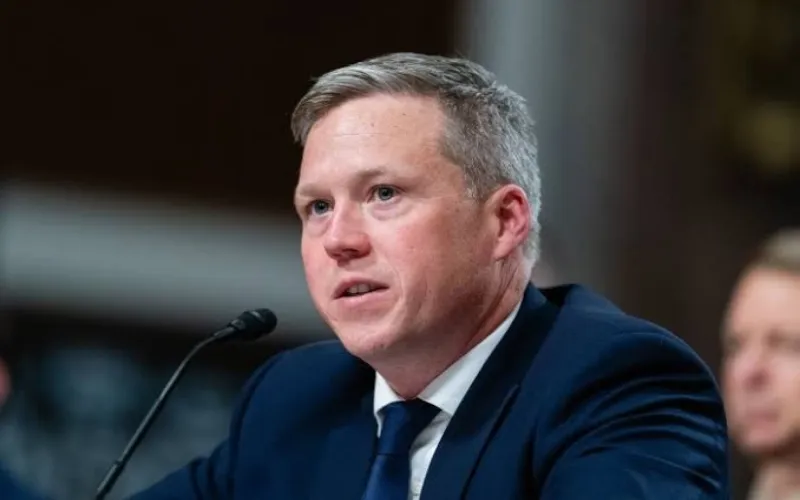
U.S. Treasury Secretary Scott Bessent said new sanctions were taking a toll on Iran’s economy and argued that Tehran was responding militarily as the economic pressure intensified.
The United States has expanded secondary sanctions targeting foreign companies, banks and other entities that continue to conduct business with Iran, particularly those involved in Iranian oil exports.
Bessent said Washington was likely to introduce additional sanctions regularly, with banks among the initial targets.
The economic campaign has become a central part of Washington’s effort to force Tehran to meet U.S. demands without returning to sustained military operations.
AI video adds to tensions
Trump also fueled controversy by posting videos on social media that appeared to show explosions destroying Iran’s Kharg Island, a key oil-export facility.
The videos were AI-generated, however, and there was no evidence that Kharg Island had been attacked. Iran dismissed the post as “laughable.”
Vice President JD Vance said Trump was using the material to send a message rather than claiming that an actual attack had taken place.
View this post on Instagram
Kharg Island is separate from Larak Island, which was the site of the U.S. strike. Kharg handles a major share of Iran’s oil exports, making it particularly important to Tehran’s economy.
Washington has so far avoided directly targeting Iran’s major oil and gas infrastructure. Tehran has warned that such attacks could trigger severe retaliation against U.S. allies in the Gulf.
Despite the latest exchange, Iranian President Masoud Pezeshkian said Monday that Tehran remained interested in a negotiated settlement.
“We believe that continuing the war is in no one’s interest, neither ours, nor the region’s, nor humanity’s,” Pezeshkian said, according to Iran’s semi-official Tasnim news agency.
The comments came as previous diplomatic efforts have struggled to produce a lasting agreement. A ceasefire in April temporarily reduced the fighting, while an interim framework reached in June was intended to create a path toward negotiations.
Those efforts later broke down, followed by renewed U.S. bombing in July and a shift toward sanctions and a blockade of Iranian ports.
The latest confrontation now threatens to reverse that shift, leaving Washington and Tehran balancing economic pressure and military retaliation while diplomatic options remain open but uncertain.
Trump has said his broader objectives include dismantling Iran’s nuclear capabilities, limiting its ability to threaten regional rivals and creating conditions for political change in Tehran. Those goals remain unresolved as the latest exchange adds another layer of uncertainty to the conflict.