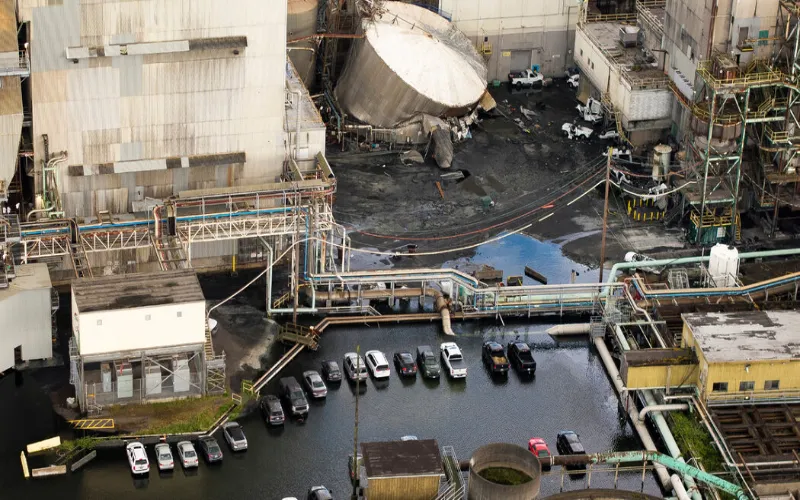
According to US Central Command (Centcom), the Botswana-flagged oil tanker M/T Lexie, an unladen vessel, ignored repeated warnings over a 24-hour period. The statement added that an American aircraft eventually fired a Hellfire missile into the ship’s engine room, disabling it and preventing further movement.
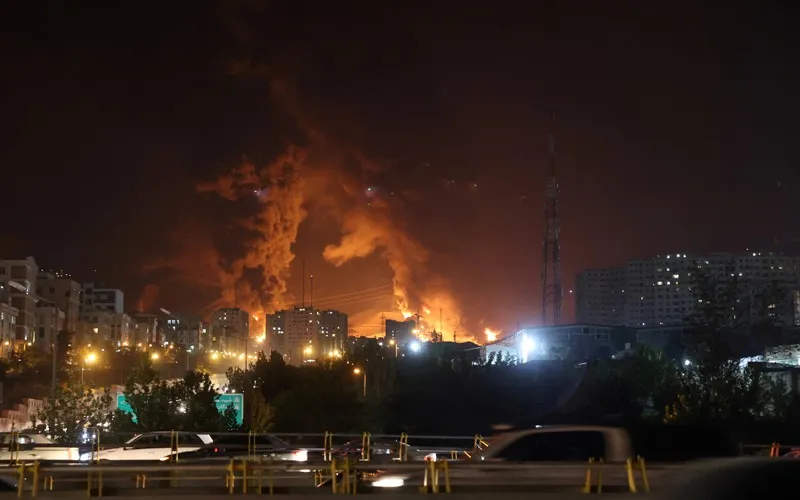
The situation escalated shortly after CentcomC) claimed it had carried out retaliatory actions in response to what it described as a US strike on a communications tower south of Qeshm Island.
Iranian media reported that IRGC forces targeted US-linked assets in Bahrain and Kuwait, including facilities associated with the US Fifth Fleet and other military positions in a regional country, using missiles and drones.
US Central Command, however, said Iranian missile attacks directed at Bahrain, Kuwait and other regional locations either failed to reach their targets or were successfully intercepted.
Centcom stated that two missiles aimed at Kuwait fell short or disintegrated mid-flight, while several ballistic missiles malfunctioned and three missiles targeting Bahrain were intercepted by defence systems.
The US military further stated that its forces remained on high alert and fully prepared to respond to what it described as “unwarranted Iranian aggression,” adding that all incoming attacks were effectively neutralised.
The latest flare-up comes more than three months after earlier US and Israeli strikes on Iran, as the broader conflict continues to remain unresolved under a fragile and unstable ceasefire environment. Maritime movement through the Strait of Hormuz also remains disrupted, further adding pressure to global shipping routes and energy markets.
Although Iran and the United States recently signalled progress toward a tentative agreement aimed at halting hostilities, no formal deal has yet been finalised.
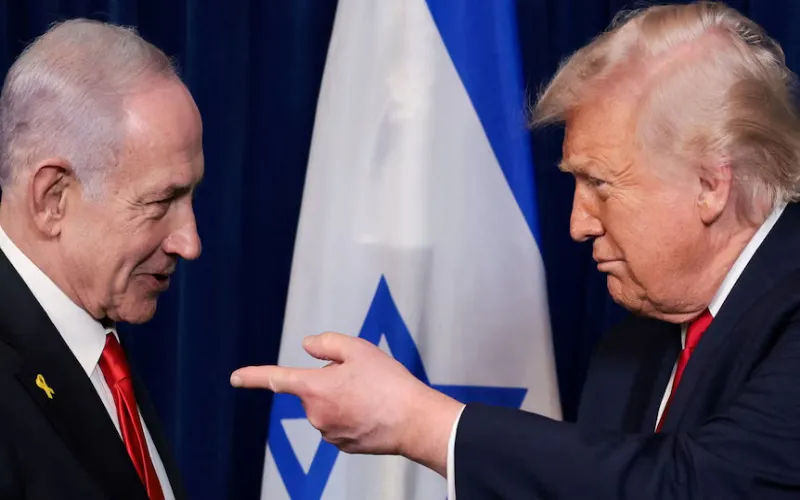
Iranian sources claim communication with Washington has slowed in recent days, while US President Donald Trump has stated that diplomatic contacts between the two sides are ongoing.
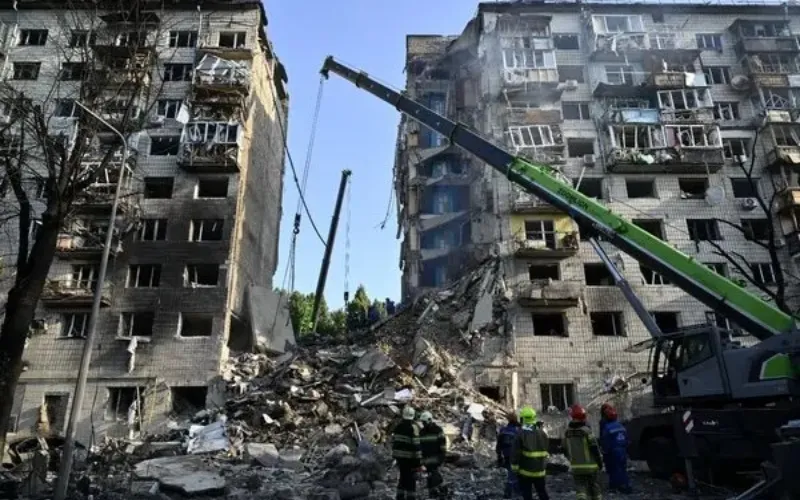
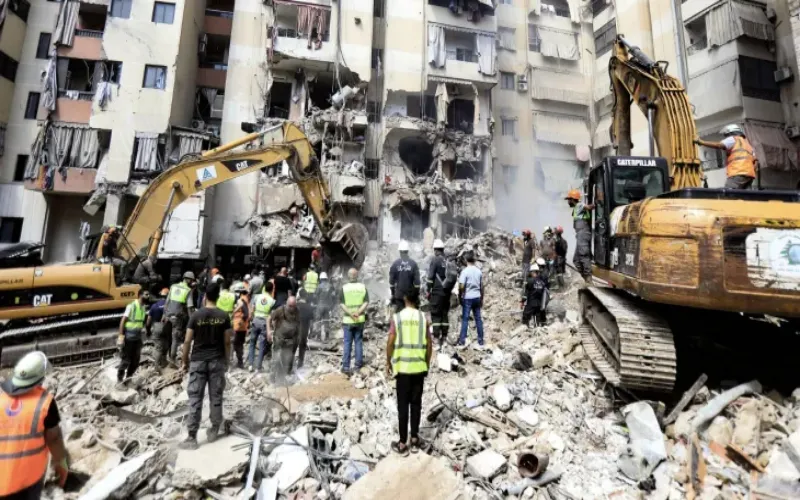
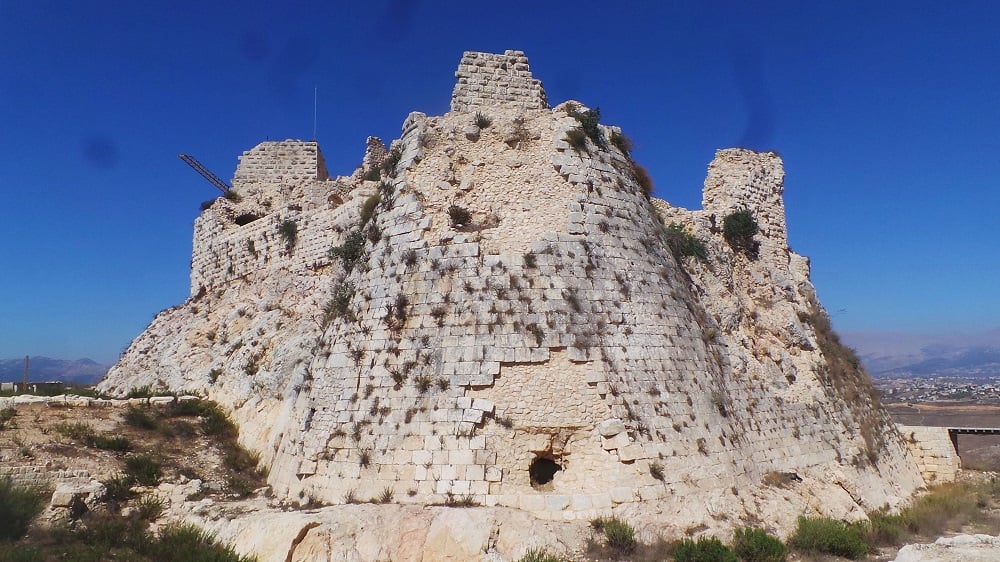
Meanwhile, the conflict has also expanded into Lebanon, where Israeli forces have continued strikes on several towns in the south despite a US-mediated partial ceasefire announced earlier this week. Lebanese security officials confirmed ongoing attacks, while drone activity over Beirut has heightened public concern and uncertainty among civilians.
The renewed escalation across multiple fronts highlights the growing instability in the region, with increasing humanitarian pressure and displacement adding to the already severe impact of the prolonged conflict.