The World Meteorological Organization has warned that the El Niño climate pattern is expected to strengthen in the coming months and could remain active through February 2027, potentially worsening extreme heat and disrupting rainfall patterns around the world.
The United Nations agency said El Niño is expected to peak toward the end of 2026, with its effects likely to continue into 2027.
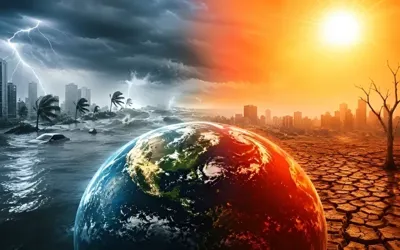
The climate pattern could contribute to higher temperatures, flooding, drought and dangerous heat in different parts of the world.
The warning comes as human-caused greenhouse gas emissions are already driving global temperatures higher. Scientists say the combination of long-term climate change and El Niño could further increase heat-related risks.
UN Secretary-General Antonio Guterres said rising ocean and global temperatures were exposing the world to growing risks from extreme and unpredictable weather.
El Niño occurs when surface waters across large parts of the tropical Pacific become warmer than normal, influencing weather patterns worldwide. During La Niña, the opposite pattern occurs, with cooler-than-normal Pacific waters.
Scientists say El Niño can temporarily raise the global average temperature because heat stored in the ocean is released into the atmosphere. The previous major El Niño occurred in 2023 and contributed to 2024 becoming the warmest year on record.
The WMO said El Niño's effects are already being observed in some regions through flooding and drought, and stronger conditions could intensify those impacts. South Asia can experience reduced monsoon rainfall during El Niño, while some drought-prone areas of Africa may receive increased rainfall.
The climate pattern can also influence tropical cyclone activity and weather conditions in countries including the United States, India, Bangladesh, Japan and South Korea.
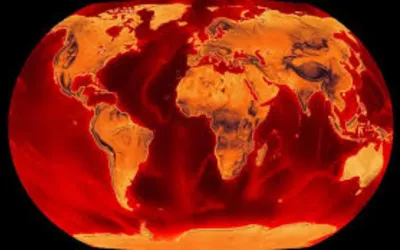
The WMO forecast above-normal temperatures across nearly every region of the world from September through November, underscoring the broader risks posed by rising global temperatures and the developing El Niño.