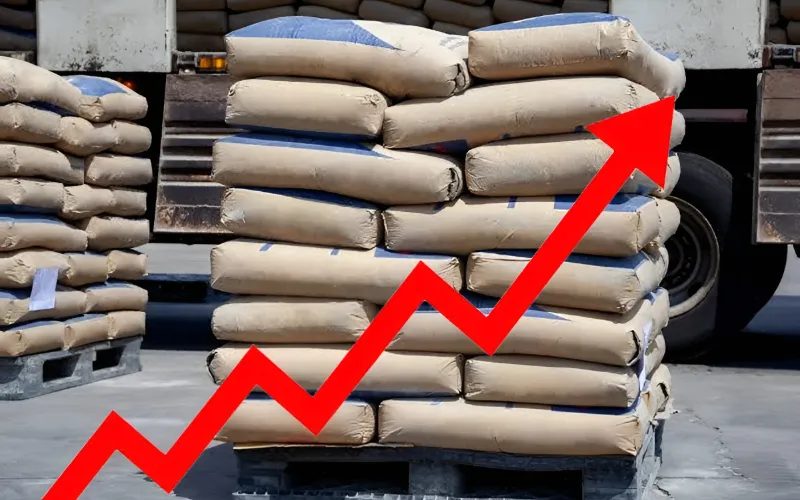
Pakistan’s cement industry posted steady growth during fiscal year 2025-26 (FY26), with total cement dispatches rising 7.2% year over year to 50.5 million tons, supported by strong domestic demand despite a decline in exports, according to a report by JS Research.
The report said domestic cement dispatches increased 9.5% from the previous fiscal year to 41.5 million tons as construction activity remained strong across the country. In contrast, export dispatches declined 2.2% to 9 million tons. The drop was mainly caused by a sharp 54% decline in exports from northern Pakistan following the closure of the Afghanistan border. Although exports from southern Pakistan increased 9.4% during the year, the growth was not enough to offset losses in the northern region. Average industry capacity utilization also improved to 58.3% in FY26 from 53.2% in FY25, reflecting stronger production levels.
On a monthly basis, cement dispatches continued to show strong momentum. Total dispatches reached 4.3 million tons in June 2026, an increase of 18.4% from the same month a year earlier and 13% higher than in May 2026. Domestic dispatches surged 26.8% year over year as construction activity resumed after the Eid holidays and a higher number of working days supported sales. However, export dispatches fell 8.7% from a year earlier, marking the eighth consecutive month of no export shipments from northern Pakistan.
JS Research expects domestic cement dispatches to grow another 5% in FY27. The outlook is supported by lower taxes on property transactions announced in the federal budget and government-backed housing initiatives, including the Apna Ghar Scheme, for which Rs71 billion has been allocated. The report said these measures are expected to encourage construction activity and boost cement demand in the coming year.
Despite the positive outlook, the report highlighted several risks that could affect future growth. Provincial governments have reduced their Annual Development Program (ADP) allocations by a combined 28%, lowering total development spending to Rs2.2 trillion in FY27 from Rs3 trillion in FY26. Punjab reduced its development budget by 39%, while Sindh cut spending by 29%. According to JS Research, lower public-sector development spending could weigh on cement consumption and limit the pace of growth in domestic dispatches.
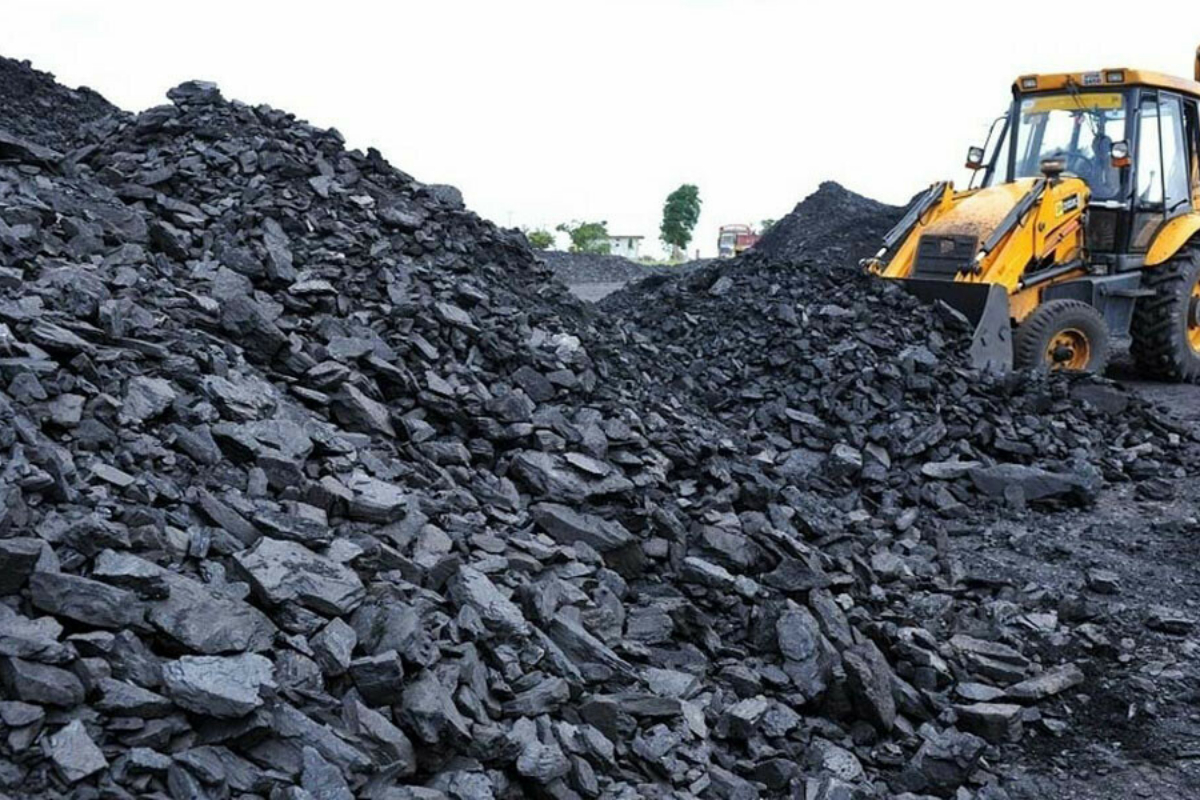
The report also said cement prices eased during June as international coal prices declined. Average retail prices in northern Pakistan fell by Rs41 per bag to about Rs1,494, while prices in southern Pakistan declined by Rs8 per bag to about Rs1,509. Coal prices dropped 17% from a peak of $125 per ton to $107.50 per ton by the end of June. JS Research said the lower input costs should help cement manufacturers protect their profit margins, particularly producers in northern Pakistan that have shifted to lower-cost local coal.