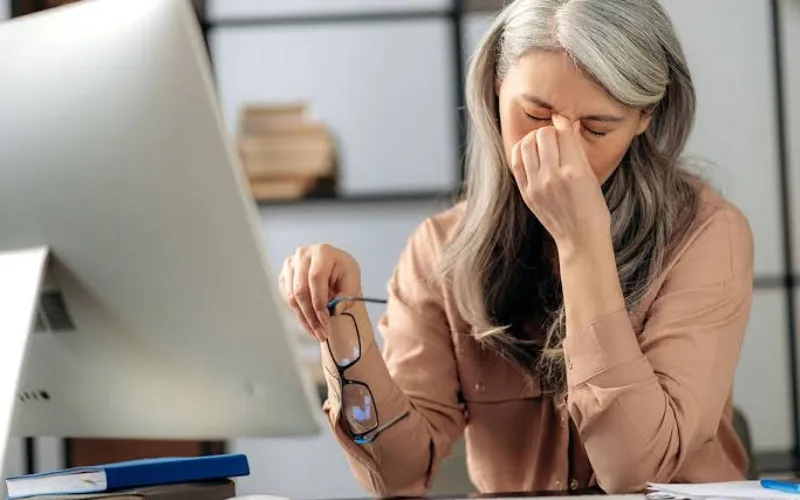
From smartphones and laptops to tablets and televisions, screens have become an essential part of everyday life. Whether people are working, studying, shopping, or staying connected with friends and family, much of the day is spent looking at digital devices. While technology offers many benefits, spending too much time in front of a screen can gradually affect both physical and mental well-being, often without people realizing it.
One of the most common effects of excessive screen time is digital eye strain. Looking at screens for long periods can cause tired eyes, blurred vision, headaches, dry eyes, and difficulty focusing. Many people also blink less while using digital devices, which can make eye discomfort even worse. Eye care experts often recommend following the 20-20-20 rule: every 20 minutes, look at something 20 feet away for at least 20 seconds to help reduce eye strain.
Too much screen time can also interfere with healthy sleep. Many people use their phones or tablets before going to bed, exposing themselves to blue light that can reduce the production of melatonin, the hormone that helps regulate sleep. As a result, falling asleep becomes more difficult, sleep quality may decline, and people often wake up feeling tired the next day.
Read more: How regular exercise improves your health
Physical health can also be affected. Sitting for long hours while using digital devices reduces physical activity and may contribute to poor posture, neck pain, shoulder stiffness, and back problems. Over time, a sedentary lifestyle can increase the risk of obesity, heart disease, and other chronic health conditions if it is not balanced with regular exercise.
Excessive screen use may also affect mental well-being. Constant notifications, social media updates, and endless online content can increase stress, reduce attention span, and make it harder to concentrate on important tasks. Comparing one’s life with carefully edited images on social media can also affect self-confidence and contribute to feelings of anxiety or loneliness, especially among young people.
Read more: Five best foods for hair growth
Reducing screen time does not mean giving up technology completely. Small changes can make a meaningful difference. Setting daily screen limits, taking regular breaks, avoiding devices during meals, and keeping phones away before bedtime can help create healthier habits. Spending more time outdoors, exercising, reading, or enjoying hobbies also provides a healthy balance between online and offline life.
Technology has become an important part of modern living, but it should support daily life rather than control it. By using digital devices more mindfully and taking regular breaks, people can protect their physical health, improve their mental well-being, and enjoy a more balanced lifestyle in an increasingly connected world.