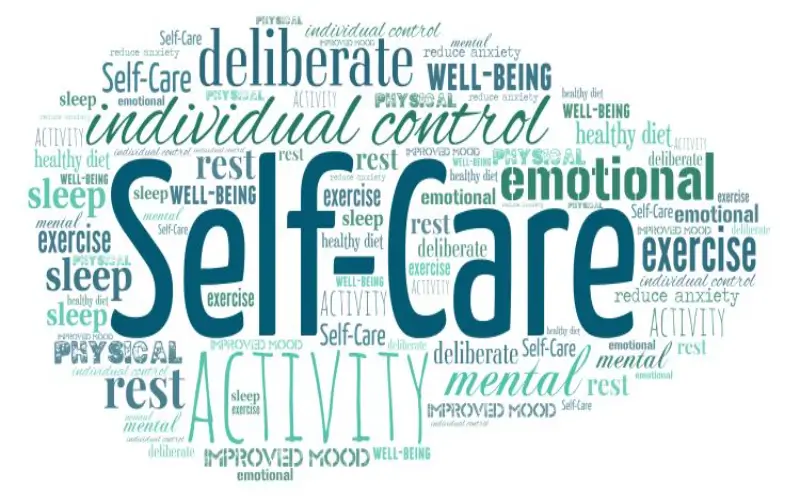
Self-care is essential for maintaining mental, emotional, and physical well-being, yet many people struggle to find routines that are effective and sustainable. True self-care goes beyond occasional indulgence and focuses on practices that nurture the body and mind consistently. Incorporating simple yet impactful habits into daily life can improve mood, reduce stress, and boost overall health.
One of the most effective self-care practices is prioritizing sleep. Getting enough restorative sleep allows the body to repair itself and the brain to process emotions and information. Establishing a consistent sleep schedule, creating a relaxing bedtime routine, and keeping electronics out of the bedroom can significantly improve sleep quality. Even short naps during the day, if needed, can help refresh energy and focus.
Physical activity is another cornerstone of self-care. Exercise releases endorphins, which naturally enhance mood and reduce stress. It does not necessarily mean intense workouts; even light activities such as walking, stretching, yoga, or dancing can make a big difference. Regular movement not only strengthens the body but also promotes mental clarity and resilience against daily challenges.
Nutrition plays a vital role in self-care as well. Consuming a balanced diet rich in fruits, vegetables, whole grains, and lean proteins provides the energy needed for physical and mental activities. Staying hydrated and reducing processed foods and excessive sugar can improve mood, energy levels, and overall health. Mindful eating, paying attention to hunger cues, and savoring meals can also help maintain a healthier relationship with food.
Mental and emotional self-care involves activities that reduce stress and enhance emotional well-being. Meditation, deep breathing exercises, journaling, or simply taking quiet moments alone can help manage anxiety and increase mindfulness. Engaging in hobbies or creative outlets, such as painting, reading, or playing music, allows the mind to relax and express itself, providing a sense of fulfillment and balance.
Social connections are equally important in effective self-care. Spending time with supportive friends or family, sharing experiences, and maintaining meaningful relationships can boost emotional health and provide a sense of belonging. Setting boundaries in personal and professional life also helps protect energy and prevent burnout.
Practical self-care includes organizing daily tasks and responsibilities to reduce stress. Planning ahead, setting realistic goals, and taking breaks when needed can prevent overwhelm. Celebrating small achievements and allowing time for leisure ensures that life does not become solely about work or obligations.
Self-care is most effective when it addresses physical, mental, and emotional needs consistently. Prioritizing sleep, regular movement, balanced nutrition, mindfulness practices, meaningful social connections, and practical life management can create a balanced and fulfilling lifestyle. By integrating these habits into daily life, individuals can strengthen their resilience, improve overall well-being, and lead happier, healthier lives.