Pakistan Meteorological Department (PMD) has issued an alert for glacial lake outburst floods (Glof) for Gilgit-Baltistan and Khyber Pakhtunkhwa, predicting that soaring temperatures are likely to persist until the first week of July.
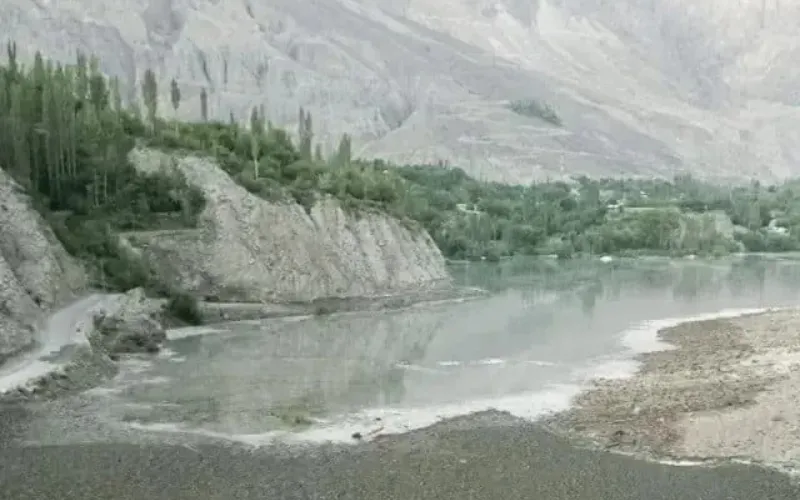
According to the official advisory, fast melting of snow in glacier areas may cause river streams and water channels to become full and continue flowing at high levels. Existing glacial lakes may get larger due to extra melted water, and new lakes may also form in weak mountain regions.
PMD Issues GLOF Alert for Gilgit-Baltistan and Khyber Pakhtunkhwa; High Risk Till First Week of July 2026 #PMD #GLOFAlert #GlacialLakeOutburstFlood #GilgitBaltistan #KhyberPakhtunkhwa #FlashFloodRisk #LandslideRisk #GlacierMelt #HighTemperature #WeatherAdvisory #EarlyWarning pic.twitter.com/c5qaQ3tWwH
— Pak Met Department محکمہ موسمیات (@pmdgov) June 27, 2026
The warning says that low-lying areas near rivers and downstream regions may face a higher risk of sudden flooding. There is also a chance of flash floods, glacial lake outburst floods (GLOF) caused by pressure on natural ice or moraine dams, and mud and debris flows due to melting frozen ground and excess water.
The advisory also warns that steep mountain areas may become more dangerous, with an increased risk of landslides because the ground may become unstable.
People living in or visiting snowy and glacier areas are advised to stay away from riverbanks, streams, glacial lakes, and narrow mountain paths. They are also urged to avoid unstable slopes and to keep checking weather updates and official alerts from the Pakistan Meteorological Department.
Authorities have recommended close coordination with Community Based Disaster Risk Management Committees for local guidance and emergency response. Disaster management departments have been instructed to stay alert 24/7 and ensure timely public awareness through SMS, social media, and local communication systems.
Everyone is advised to stay alert and take necessary precautions to avoid any dangerous situation. This alert should be shared through all communication channels, including SMS, social media, and community networks.