Iran confirmed it is reviewing the latest U.S. position aimed at ending the ongoing conflict, following remarks by President Donald Trump that he is prepared to wait a few days for a response from Tehran while warning of renewed military action if no agreement is reached.
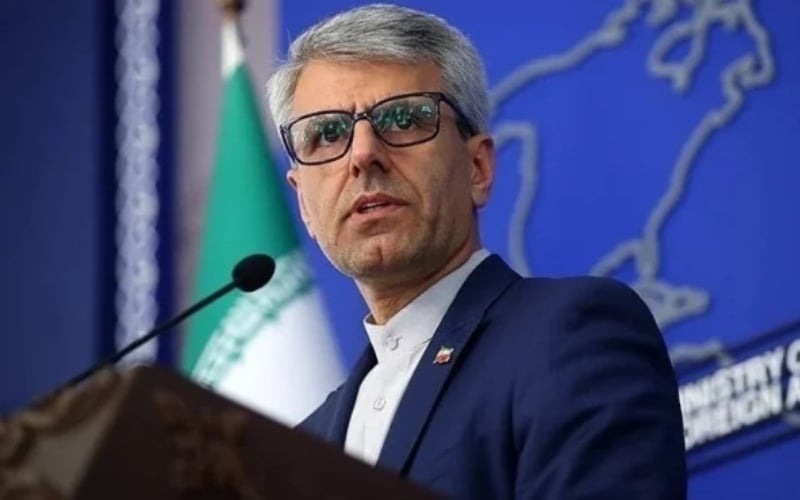
According to Iran’s state-run Nour News, Foreign Ministry spokesperson Esmaeil Baghaei stated that Tehran has received the U.S. proposals and is actively assessing them.
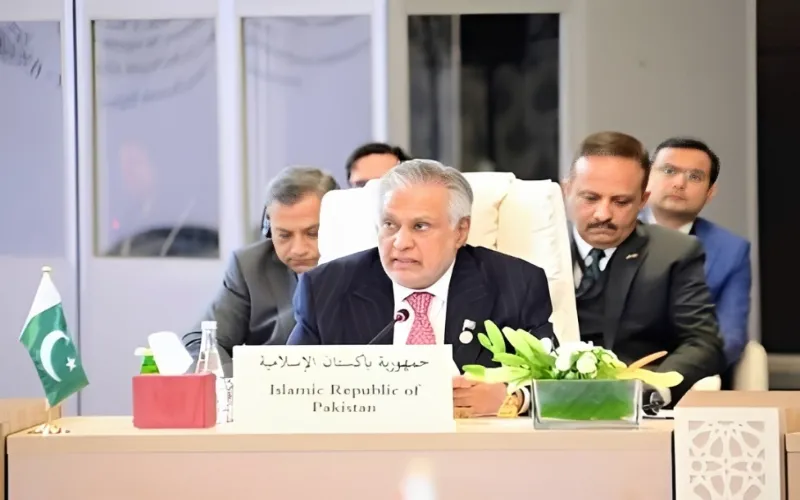
He further noted that Pakistan is playing a critical mediating role in the process, serving as a communication bridge between Tehran and Washington after hosting peace talks last month. Several rounds of indirect and backchannel diplomacy have already taken place, with Pakistan’s interior minister also visiting Tehran on Wednesday as part of ongoing engagements.
Despite a fragile ceasefire in place for six weeks, diplomatic efforts have made little tangible progress. Meanwhile, escalating global oil prices are fueling concerns over inflationary pressure and broader economic instability.
In the United States, President Trump is also facing mounting political pressure ahead of the upcoming midterm elections, with declining approval ratings linked to rising fuel costs.
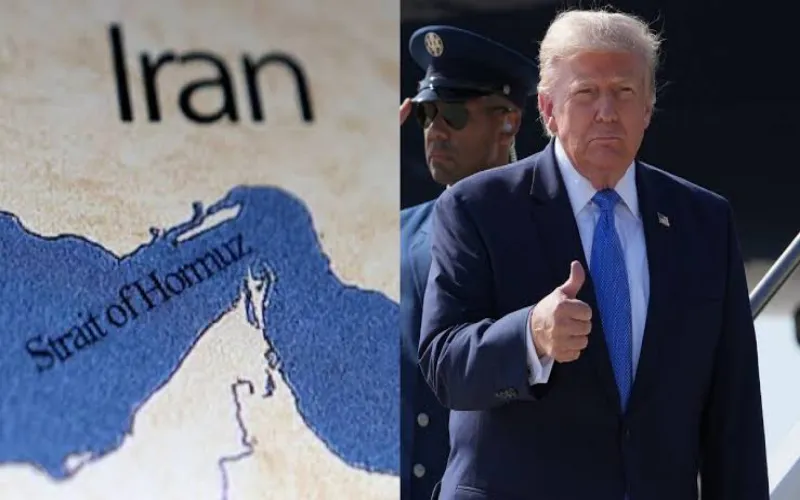
Speaking to reporters at Joint Base Andrews, Trump struck a firm and uncompromising tone, stating that Washington is prepared to act swiftly if it does not receive what he called the “right answers.” He warned, “If we don’t get the right answers, it goes very quickly. We’re fully prepared,” adding that a decision could come within “days or even sooner.”
Reaffirming his hardline stance, Trump emphasized that Iran must never be allowed to acquire nuclear weapons. He described the situation as approaching a decisive phase, insisting that while a diplomatic settlement remains preferable, stronger measures remain firmly on the table if required.
Earlier, Iran’s Revolutionary Guards issued a stern warning, stating that any renewed aggression would trigger a far wider regional escalation, potentially expanding beyond the current scope of conflict.
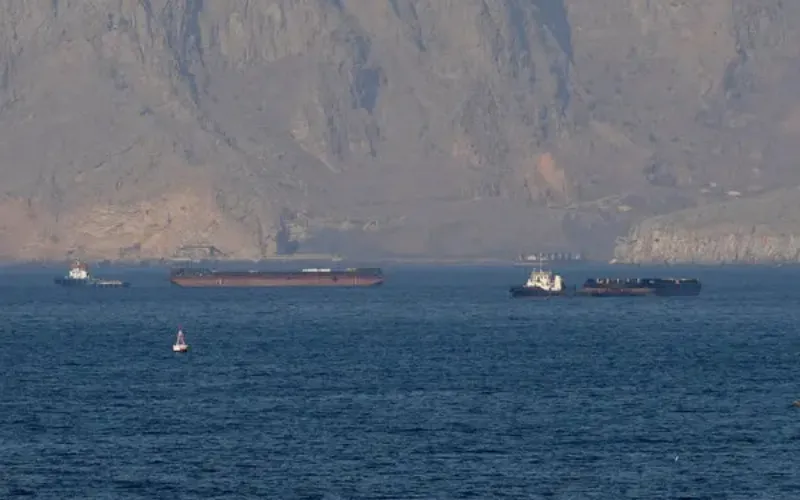
Meanwhile, reports suggest that Tehran has recently submitted a new proposal to Washington, largely reiterating previously rejected conditions. These reportedly include demands over control of the Strait of Hormuz, sanctions relief, compensation for war-related damages, the release of frozen assets, and the withdrawal of U.S. military forces from the region.