ISLAMABAD: Pakistan’s diplomatic stewardship has assumed a prominent global spotlight as Tehran officially recognizes Islamabad’s pivotal role in mediating the intensifying conflict with the United States and Israel.
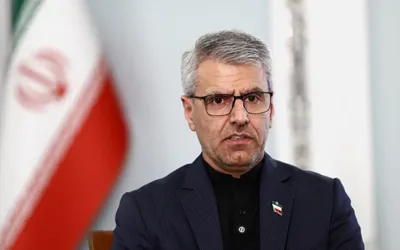
Iran’s ambassador to Pakistan, Dr. Reza Amiri Moghadam described Pakistan’s constructive and proactive diplomacy in goodwill and good offices as entering a critical and decisive juncture, underscoring the country’s influence in averting further regional destabilization.
In a statement posted on X on Tuesday, the Iranian envoy lauded Pakistan’s sustained efforts, emphasizing that these initiatives are approaching a strategically significant phase. He urged observers to “stay tuned for further developments,” reflecting the gravity of the diplomatic moment.
Pakistan positive and productive endeavours in Good Will and Good Office to stop the war is approaching a critical, sensitive stage ...
Stay Tuned for more— Reza Amiri Moghadam (@IranAmbPak) April 7, 2026
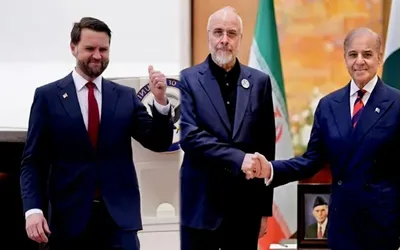
These comments emerge amid escalating international diplomacy, aimed at brokering a ceasefire and ending more than five weeks of active hostilities. Pakistan has been intricately involved in shuttle diplomacy between Washington and Tehran, striving to engineer a consensus-driven framework that satisfies both parties while mitigating the risk of wider regional escalation.
According to reports from international media, Iran has formally dismissed the proposed truce in its ongoing confrontation with the United States and Israel. Tehran conveyed its official response to Pakistan concerning the U.S. peace initiative, though the details of the proposal remain undisclosed.
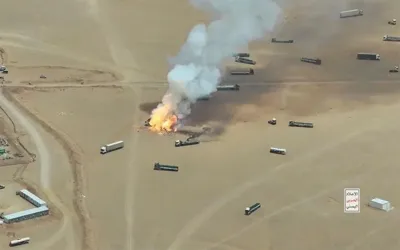
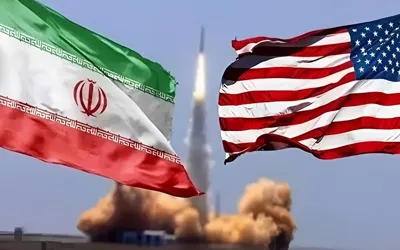
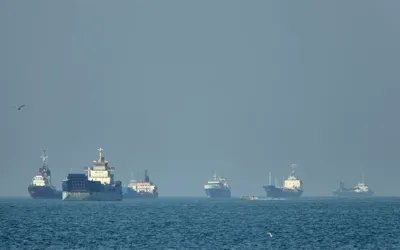
The hostilities were ignited following U.S.-Israeli precision airstrikes on Iranian strategic assets, compelling Tehran to effectively shut down the Strait of Hormuz, a globally critical maritime passage, and retaliate with missile strikes targeting various strategic sites across the region.
Iran’s official response, delineated in ten points, unequivocally rejected the ceasefire, stressing the imperative for a definitive resolution to the crisis.
Iran has articulated several preconditions for any meaningful de-escalation, including:
- Termination of regional conflicts to establish enduring stability.
- Implementation of a formal protocol ensuring secure navigation through the Strait of Hormuz.
- Reconstruction of war-damaged infrastructure to restore essential services and facilities.
- Lifting of international sanctions, allowing Tehran to re-engage economically.
- Guarantees against future military provocations and cessation of Israeli strikes targeting Hezbollah in southern Lebanon.
Under the proposed arrangement, Iran would reopen the Strait of Hormuz to commercial shipping while imposing a $2 million transit fee per vessel, with revenue shared with Oman.
Tehran plans to allocate its share toward rebuilding critical infrastructure damaged during U.S.-Israeli operations, instead of seeking direct compensation.
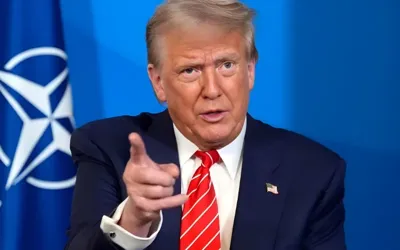
The ambassador’s remarks and Iran’s rejection of the ceasefire coincide with a looming U.S. ultimatum, demanding Tehran’s immediate compliance to reopen the Strait of Hormuz or face precision-targeted strikes on critical infrastructure.
This delicate scenario accentuates Pakistan’s strategic role as a diplomatic intermediary, with the global community closely observing whether Islamabad can prevent a major regional escalation and stabilize tensions in one of the world’s most geopolitically sensitive corridors.