TEHRAN: Iran has warned that a renewed war with the United States could threaten more than $2 trillion in cables, data centers and artificial intelligence facilities across the Middle East, as Tehran demands concessions in negotiations and insists on maintaining control over the Strait of Hormuz.
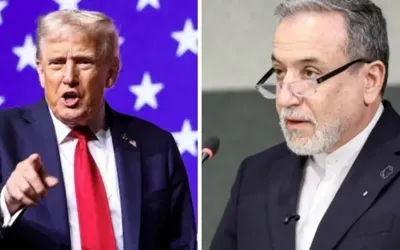
Mohsen Rezaei, identified in the report as head of Iran’s National Security Committee, made the remarks in an interview with Iranian state television, warning that Tehran would expand its military strategy and reveal new capabilities if fighting resumed.
His comments raised concerns about the potential expansion of the conflict beyond traditional military targets to critical digital infrastructure. Rezaei said major U.S.-linked assets in the region, particularly in the United Arab Emirates and areas near the Strait of Hormuz, had not yet been targeted.
However, he did not provide evidence that all the infrastructure he cited was American-owned or confirm plans to attack specific facilities.
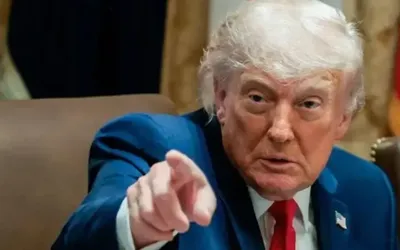
Rezaei said Iran would not give up its weapons and would continue pressing its demands until its rights were recognized. He also said Tehran was considering creating an economic warfare council to respond to pressure from the administration of President Donald Trump.
The Iranian official claimed that Washington had withdrawn from three rounds of negotiations before launching attacks on Iran. He argued that Tehran could no longer rely on its previous diplomatic approach and would demand a different framework for future talks.
According to Rezaei, the United States had contacted Iran through Pakistan, Qatar and Iraq over the previous two months, asking Tehran to present its proposals. He said Iran submitted seven conditions to Washington two weeks earlier, with some reportedly accepted and others still unresolved.
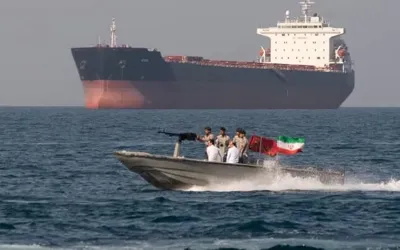
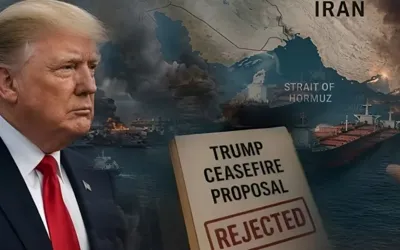
Rezaei did not detail all seven conditions. He insisted that negotiations would not resume until Iran’s outstanding demands were met. He said the Strait of Hormuz would remain closed until Iran’s conditions were fulfilled, placing control of the vital shipping route at the center of the dispute.
The narrow waterway connects the Persian Gulf with the Gulf of Oman and serves as a critical passage for global oil shipments. Any prolonged disruption could affect energy markets, maritime trade and the wider regional economy.
Rezaei also accused the United States of involvement in alleged oil-smuggling operations in waters near Oman, challenging Trump’s statements that the strait remains open.
He alleged that individuals operating near the Omani coast were helping facilitate the movement of oil and accused the commander of U.S. Central Command of directing the operations. He further claimed that the UAE military was supporting the activities.
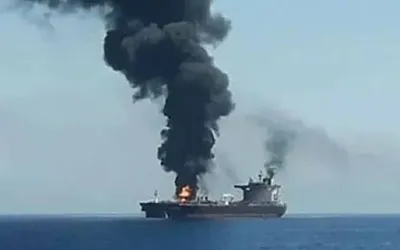
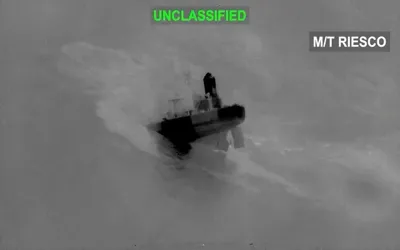
According to Rezaei, large oil tankers were accompanied by five or six smaller boats used to transfer oil. He claimed Iranian forces had been targeting five or six vessels linked to the alleged smuggling operations each night for several months. The claims were not independently verified in his remarks, and he did not provide supporting evidence.
He also argued that lasting security in the Persian Gulf was impossible without Iranian control of the Strait of Hormuz. He described the waterway as a major national asset, saying its importance extended beyond closing the passage or charging fees to ships.
He maintained that control of the strait could provide Iran with broader strategic and economic advantages. He also said U.S. officials had underestimated Iran’s military capabilities and failed to resolve the confrontation.
He insisted that the Iranian people would ultimately determine the outcome and vowed that Tehran would continue resisting until its demands were satisfied. His remarks underscore the growing risks surrounding negotiations, economic pressure and maritime security in the region.
The warning about digital infrastructure also highlights the potential economic consequences of a wider conflict, although no specific attack plan against the facilities was confirmed in the interview.