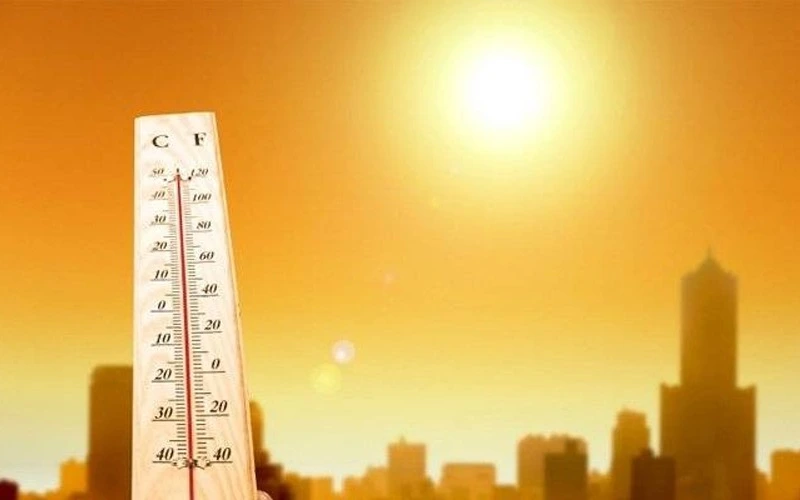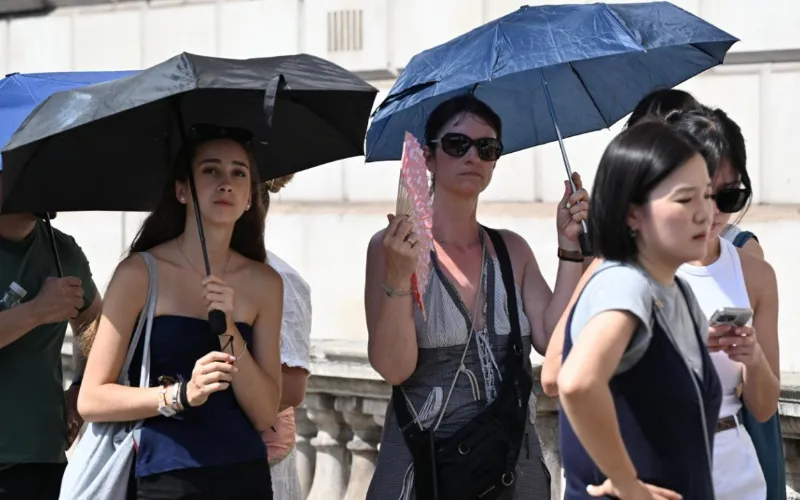
Much of Western Europe is sweltering under an intense and prolonged heatwave, with temperatures expected to rise further in the coming days and potentially shatter historical records.
France has been among the worst affected, where authorities were forced to adjust school schedules to cope with extreme conditions. Meteorological officials have warned of an “intense and long-lasting” heatwave that could push temperatures in Paris beyond 40°C in June for the first time on record.
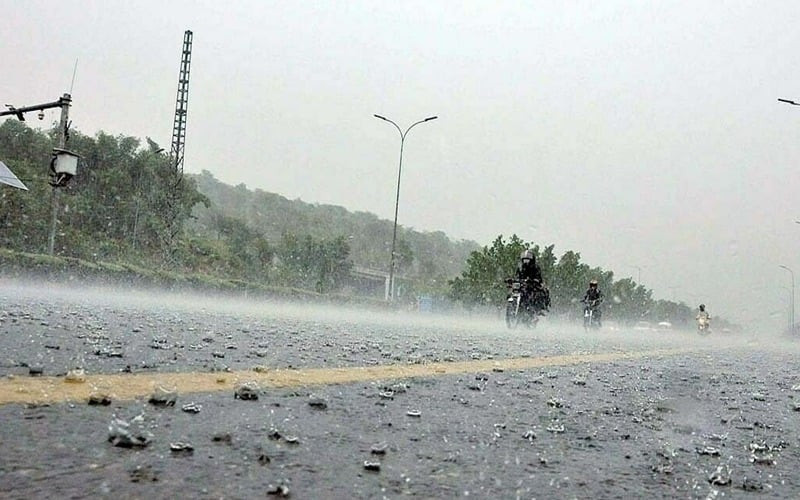
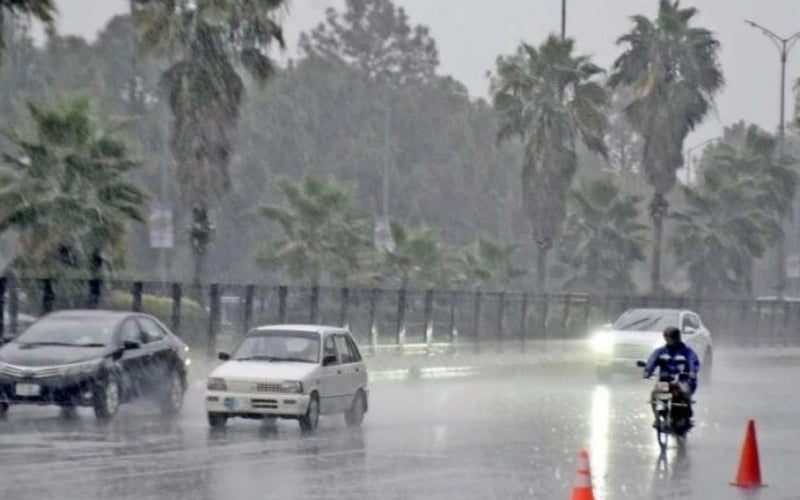
Across the continent, governments have issued widespread weather alerts as the extreme heat intensifies. In Germany, forecasters have also cautioned of severe thunderstorms, hail, and heavy rainfall over the weekend, highlighting highly unstable weather conditions.
In the United Kingdom, England and Wales have already recorded their hottest spring on record, although temperatures are expected to remain lower compared to continental Europe.
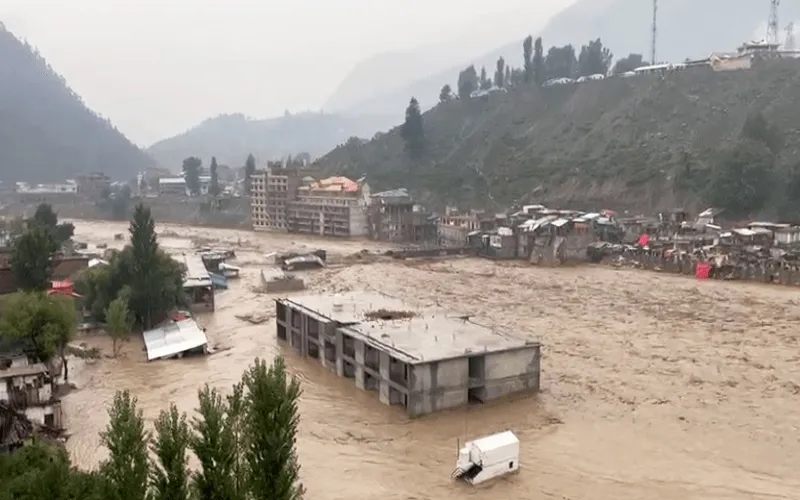
Scientists continue to warn that human-driven climate change is significantly amplifying such extremes, making heatwaves, droughts, and flooding events more frequent and far more intense.
This marks the second major heatwave of the year for many regions, effectively launching the summer season under extreme weather conditions for tens of millions across Western Europe.
Authorities across the UK, France, Spain, Switzerland, and Germany have issued elevated risk warnings, while several cities in northern and central Italy have also been placed on alert.
The UK Met Office has warned of a 40% probability of breaking the June temperature record set in 1976, underscoring the severity of the current conditions.
Spain’s civil protection agency has also issued alerts for a prolonged spell of extreme heat expected to impact most of the country and the Balearic Islands from Sunday through much of next week.
In Switzerland, the town of Schaffhausen recorded its hottest June temperature on record at 35.7°C, with further spikes expected that could threaten additional national records.
Meteorologists say the increasing frequency of extreme weather events is a clear signal of accelerating climate change. “We are seeing more extremes hot spells are hotter, and rainfall events are heavier,” said a Met Office expert.
France remains at the epicentre of the heatwave, having recently experienced its hottest spring since records began in 1900.
In Paris, residents are struggling to cope with the oppressive heat, relying on hydration, lighter meals, and avoiding overcrowded transport systems. Many have described daily life as increasingly difficult under the scorching conditions.
Meanwhile, in rural France, some residents living in cave dwellings report a stark contrast, benefiting from naturally stable underground temperatures—an unexpected refuge in an era of intensifying climate extremes.