The Middle East may be approaching one of the most important turning points in its modern history. After decades of conflict, rivalry, external intervention and political uncertainty, the region appears to be entering a period where old assumptions are being challenged and new possibilities are emerging.
The outcome remains uncertain. Deep mistrust exists between several regional actors, historic grievances remain unresolved and the possibility of setbacks cannot be ignored. However, the combination of possible engagement between the United States and Iran, evolving regional partnerships, economic transformation programmes and the gradual expansion of diplomatic contacts suggests that the Middle East is moving towards a different strategic environment.
For much of the last century, the region was defined primarily by conflict and security competition. The Arab Israeli conflict, rivalry between Iran and its opponents, disputes among regional powers and repeated external interventions created an atmosphere where security concerns dominated political thinking. Economic development, regional connectivity and social progress were often affected by instability. That environment is gradually changing. Many regional states are recognising that lasting influence cannot be achieved through confrontation alone. Economic strength, technological advancement, investment, trade connectivity and internal stability are becoming equally important elements of national power.
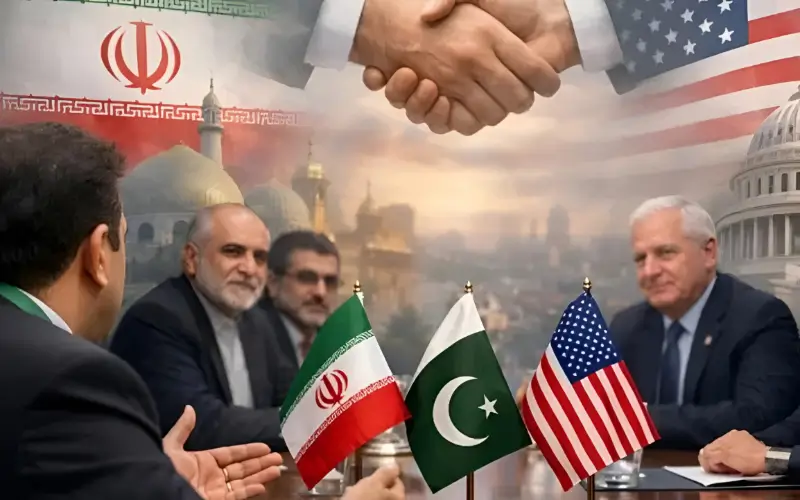
The possible development of a new understanding between the United States and Iran represents one of the most significant developments in this changing environment. If further negotiations succeed and produce a sustainable arrangement, the consequences could extend far beyond the relationship between Washington and Tehran. It could influence regional security calculations, energy markets, international investment and the future direction of the Middle East. For many years, Iran has remained one of the central points of tension in the region. Concerns surrounding its nuclear programme, missile capabilities, regional alliances and competition with other Middle Eastern states have contributed to prolonged confrontation. At the same time, extensive sanctions have placed considerable pressure on Iran’s economy and restricted its access to international trade and investment.
A successful US Iran understanding could, therefore, create incentives for all sides. Iran could gain economic relief, increased access to international markets and opportunities for development. The United States could achieve a framework that reduces the risk of military escalation and provides mechanisms to address nuclear concerns. Regional countries could benefit from a reduction in uncertainty and greater opportunities for economic cooperation. For the Muslim world, the importance of such a development would be considerable. Many Muslim countries have spent decades dealing with the consequences of instability in the Middle East.
A reduction in tensions between major regional actors could allow greater attention to be directed towards economic development, infrastructure, education, technology and improving the lives of their populations. The Gulf states, in particular, have much to gain from a more stable regional environment. Countries such as Saudi Arabia, the United Arab Emirates and Qatar are pursuing ambitious transformation programmes designed to diversify their economies beyond traditional energy dependence. Their future plans depend heavily upon stability, foreign investment, international confidence and regional connectivity.
A more peaceful Middle East would support these ambitions. It could accelerate investment, increase trade opportunities and strengthen the region’s position as a global centre for finance, logistics, tourism, technology and innovation. However, a US-Iran agreement alone cannot resolve all regional problems. The Middle East remains affected by multiple interconnected issues, including the Palestinian question, competing national interests, internal political challenges and decades of accumulated mistrust. Diplomacy must, therefore, become the beginning of a broader process rather than simply a temporary reduction in tensions.
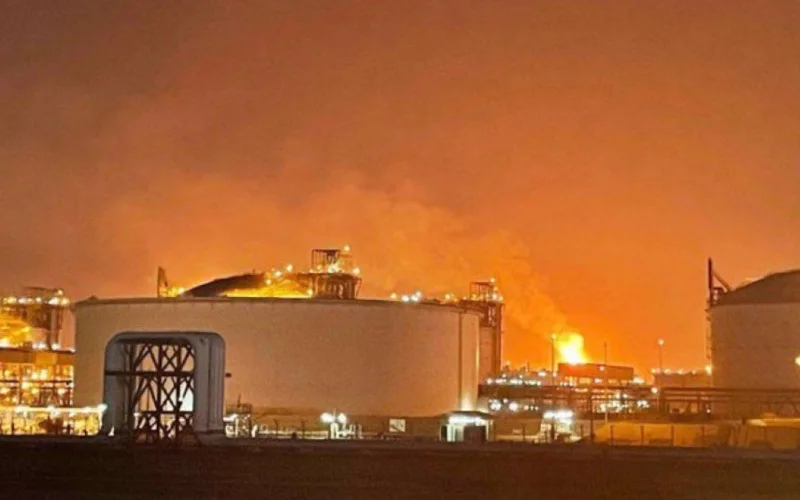
One of the most immediate economic consequences of regional stability would be its impact on global energy markets. Despite the world’s gradual transition towards renewable energy, the Middle East remains central to global energy security. Any uncertainty in the region directly affects oil prices, transportation costs and investor confidence.
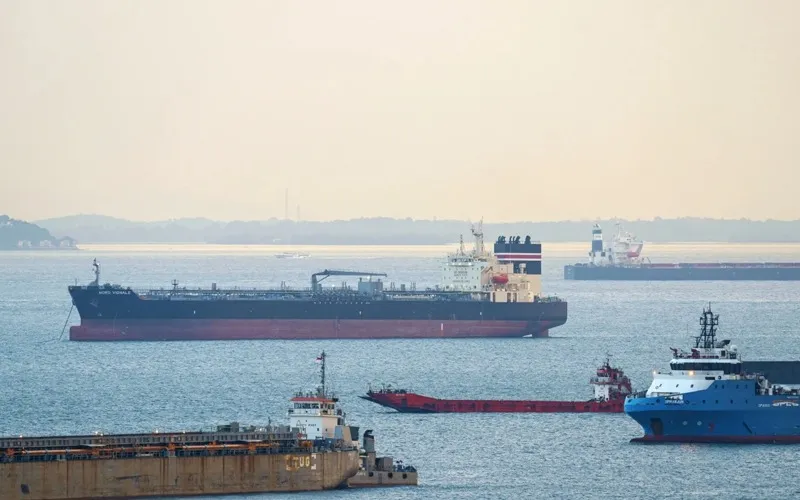
The Strait of Hormuz is particularly important in this regard. This narrow waterway remains one of the world’s most vital energy routes, through which a significant proportion of global oil and gas supplies pass. For decades, it has also been one of the most sensitive security points because any disruption could have immediate consequences for the global economy. A secure and fully functioning Strait of Hormuz would, therefore, have significance far beyond the Gulf region. It would reduce risks for energy importing countries, particularly in Asia, improve confidence in international markets and encourage greater investment. It would also support the development of new trade and logistics networks connecting Asia, the Middle East, Africa and Europe.
A more stable Middle East could gradually transform the region from one primarily associated with conflict, into one of the world’s most important economic corridors. Ports, railways, industrial zones, digital networks and energy infrastructure could become the foundation of a new era of regional prosperity. Within this changing environment, the Abraham Accords represent another significant development. These agreements between Israel and several Muslim countries have created new channels of diplomatic engagement, economic cooperation and technological exchange.
From Israel’s perspective, the Accords have provided an opportunity to reduce diplomatic isolation and build stronger relationships with parts of the Muslim world. They have also created avenues for cooperation in areas such as technology, agriculture, water management, cyber capabilities and innovation. For countries such as the United Arab Emirates and Bahrain, participation was based on their own strategic calculations. Economic diversification, access to technology, stronger relations with the United States and regional security considerations played an important role in their decisions.
Foregoing in view, the question of wider Muslim acceptance requires careful consideration. The assumption that Saudi Arabia’s eventual acceptance would automatically lead other Muslim countries, including Pakistan, to follow does not fully recognize the different historical, political and social realities of individual states. Saudi Arabia occupies a unique position because of its religious importance, economic influence and strategic weight. Nevertheless, every Muslim country must assess such developments according to its own national interests, public opinion and historical experience. Pakistan’s position is fundamentally different. Its approach towards Israel has developed over decades and is closely linked with its foreign policy principles, domestic sentiment and support for Palestinian rights. Any future decision regarding relations with Israel would, therefore, require careful consideration of these factors.
The economic benefits often associated with the Abraham Accords, investment, technology cooperation, trade and connectivity are not exclusive to this framework. Muslim countries collectively possess significant resources, markets, human talent and geographical advantages. Greater cooperation among Muslim states themselves in trade, education, technology, energy and investment can create many similar opportunities. The central issue for Muslim countries is, therefore, not simply whether to join or reject a particular agreement. The larger challenge is how to pursue peace and development while preserving principles, addressing historical grievances and ensuring that regional arrangements are based upon fairness and mutual respect.
The role of Israel will remain a critical factor in determining the future direction of the region. Israel has long expressed concerns regarding Iran’s regional influence and nuclear ambitions. However, regional stability cannot be built solely around the security concerns of one state. A sustainable regional order requires recognition of the security, political and economic interests of all countries and peoples involved. Over many decades, Israeli policies relating to Palestine, settlement expansion and military actions have contributed significantly to mistrust across the region. Therefore, Israel’s future role will depend upon whether it chooses to become a constructive participant in a new regional environment or continues policies that reinforce existing divisions.
The reported differences between Israeli Prime Minister Benjamin Netanyahu and US President Donald Trump reflect a wider strategic debate. Israel must decide whether it sees emerging regional arrangements as a threat to its traditional security approach or as an opportunity to secure a more stable and integrated neighborhood. A US-Iran understanding could create new opportunities, however, it could also create tensions if any party believes its interests are being ignored. Israel possesses significant influence, particularly in Washington, but its long term security may ultimately depend upon whether it contributes towards a stable regional order rather than remaining permanently locked in confrontation.
The Muslim world, therefore, faces a historic choice. The future cannot be built solely upon past conflicts, but neither can history and grievances simply be forgotten. The Palestinian issue, in particular, remains deeply important across Muslim societies and continues to influence public opinion and political calculations. The challenge is to combine principle with pragmatism. Economic progress, technological advancement and regional cooperation are essential, however, they must be pursued alongside a genuine commitment to justice and peaceful resolution of outstanding disputes.
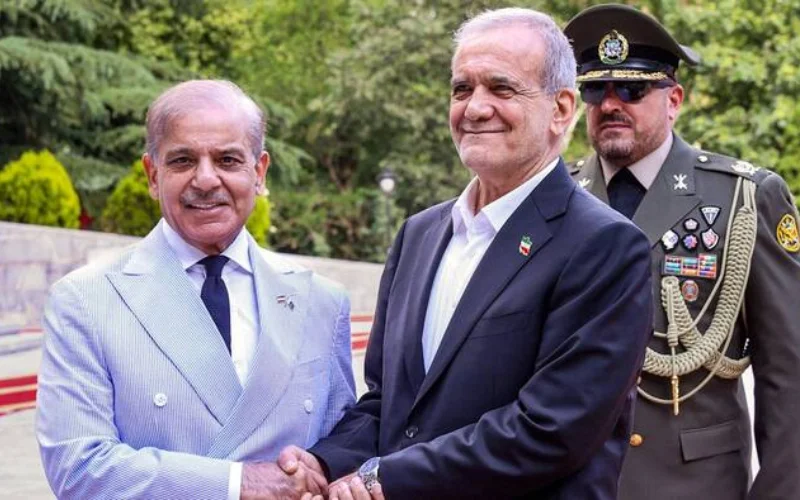
For Pakistan, these developments carry particular significance. Pakistan occupies a unique position in the Muslim world. It is the only Muslim nuclear power, possesses significant military capability and occupies a strategic location connecting South Asia, Central Asia, China and the Gulf region. Recent developments surrounding the possible US-Iran understanding have also highlighted Pakistan’s diplomatic relevance. Pakistan’s relationships with Saudi Arabia, the Gulf states, Iran, China and the United States provide it with a rare ability to communicate across different strategic circles. Pakistan’s role does not mean that it determines the outcome of major international negotiations. Such matters involve powerful states and complex interests. However, Pakistan’s ability to maintain relationships across different parts of the region provides it with an opportunity to contribute towards dialogue, confidence building and stability.
This represents an important shift. Pakistan’s relevance has traditionally been viewed mainly through its security role. The present environment offers an opportunity to demonstrate that Pakistan can also contribute through diplomacy, connectivity and regional cooperation. However, diplomatic relevance must be supported by national strength. Pakistan faces significant challenges. To the east, India continues to expand economically and strengthen its international partnerships. To the west, Pakistan faces continuing security concerns and regional uncertainty. In such an environment, economic weakness becomes a strategic vulnerability.
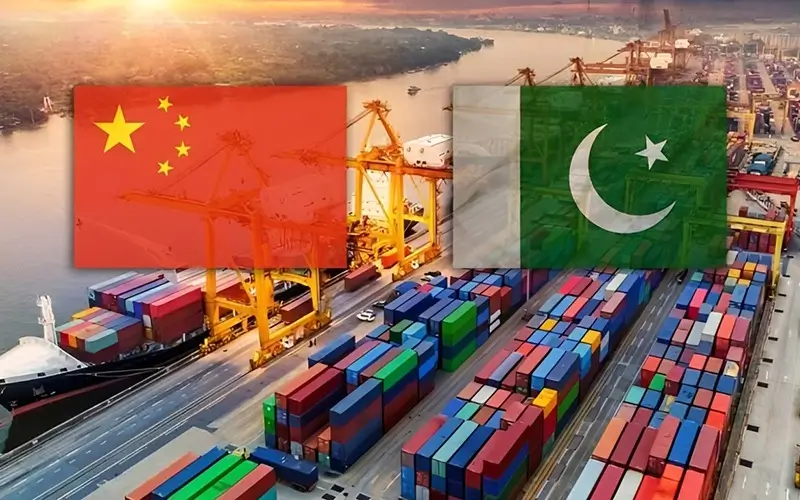
Pakistan’s future security cannot depend only upon military capability. Defence preparedness remains essential, but the next generation of competition will increasingly be determined by economic performance, technological capability, education, institutional strength and the ability to attract investment. Pakistan’s policy should, therefore, focus on balanced engagement. It should continue its strategic relationship with China, strengthen partnerships with Gulf countries, maintain constructive relations with the United States, deepen cooperation with Turkey and expand links with Central Asia.
Pakistan should aim to become a bridge between regions rather than a country defined by confrontation. Its geography provides significant opportunities through trade corridors, energy connectivity, logistics and regional commerce. The changing Middle East should, therefore, be viewed not only as a diplomatic challenge, but also as an economic opportunity. A more connected region could create possibilities in trade, investment, energy cooperation and employment. Pakistan must ensure that it is prepared to participate actively rather than simply observe these developments.
Looking towards the next two decades, the Muslim world faces an important choice. It can remain divided by historic conflicts and dependent upon external powers, or it can gradually build greater cooperation based on economic strength, shared interests and strategic maturity. The future will not belong only to countries with large populations, natural resources or military capability. It will belong to those that combine stability, competence, adaptability and wise diplomacy.
The Middle East may indeed be approaching a historic turning point. A successful US-Iran agreement, responsible regional diplomacy, secure energy routes and balanced economic cooperation could create conditions for a new era. The challenges remain immense and the risks are real. But the opportunity is equally significant. For Pakistan and the wider Muslim world, the central question is no longer whether change is coming. Change is already underway. The real question is whether they will shape that change or merely respond to it. Strategic vision, economic strength and responsible diplomacy will determine the answer.