ISLAMABAD: The International Monetary Fund (IMF) is pressing Pakistan to devalue the rupee and roll back several domestic policies as negotiations on a loan program continue in Islamabad, according to sources in the Ministry of Finance.
The IMF mission was to be briefed on monetary policy Tuesday. Talks on the draft Memorandum of Economic and Financial Policies, known as the MEFP, began the same day in an effort to reach a consensus, the sources said. The mission was scheduled to meet again with Finance Ministry officials, and also with officials from the ministries of Petroleum and Privatization.
The gas tariff structure is expected to be discussed with Petroleum Ministry officials. In the meeting with the Privatization Ministry, the privatization of power distribution companies, known as DISCOs, and line losses are expected to be on the agenda, the sources said.
Negotiations between the mission and the Federal Board of Revenue have been completed, they said.
Sugar policy dispute
The IMF has maintained its demand that a sugar policy be implemented in all four provinces, the sources said. Sindh province has opposed the demand.
"The sugar policy is a provincial matter, which we will handle ourselves," the sources quoted Sindh as saying.
Fuel subsidy
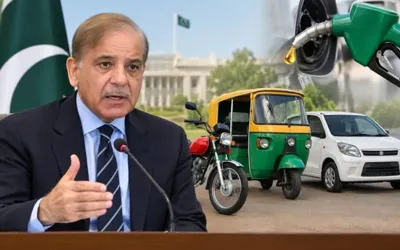
The IMF has agreed to let the prime minister's fuel subsidy continue for existing consumers, the sources said. But the fund has demanded that no new consumers be added to the petrol subsidy.
Auto policy and electric vehicles
The IMF has also demanded an end to the tax exemption in the auto policy, including the sales tax exemption on electric vehicles. The fund considers electric vehicles a luxury item rather than a necessity for the poor, and argues that their concessional tax rate should be eliminated, the sources said.
A revised draft of the auto policy is being prepared in light of those objections and will soon be presented to Prime Minister Shehbaz Sharif, who will be briefed on the IMF's concerns, the sources said.
The government may eliminate the concessional sales tax rate on electric vehicles and impose the standard rate, they said. That would raise the sales tax on electric vehicles from 1% to 18%. The tax on electric vehicle charging stations could also rise from 1% to 18%, the sources said.
Under that change, the sales tax on a 10 million rupee electric vehicle would increase from 100,000 rupees to 1.8 million rupees.
Negotiations on the loan program are ongoing.