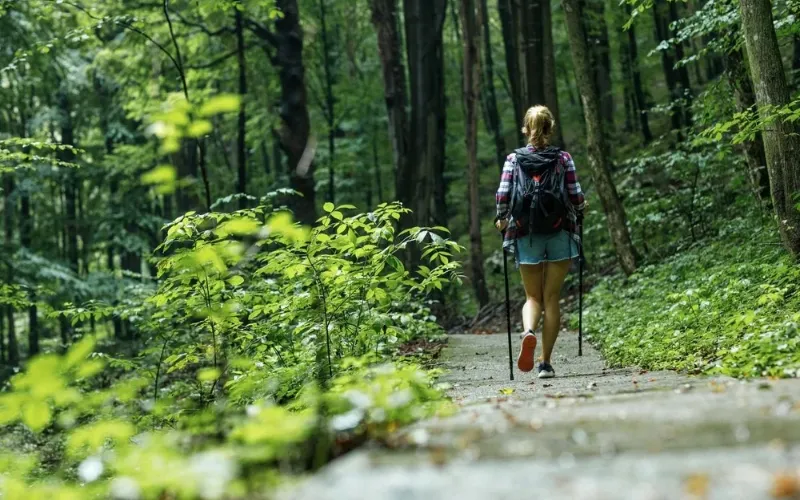
Spending time in nature does not require a full-day hike or a weekend getaway. Research shows that just 20 minutes outdoors can have a positive impact on both physical and mental health. Whether it is a walk through a park, sitting under a tree or relaxing in a garden, a short break in nature can help reduce stress, improve mood and boost overall well-being.
One of the biggest benefits of spending time in nature is reducing stress. Modern life often involves long hours in front of screens, busy schedules and constant notifications, all of which can increase stress levels. Being surrounded by greenery and natural sounds can help calm the mind and lower the body’s production of cortisol, the hormone linked to stress. Even a brief visit to a park can leave people feeling more relaxed and refreshed.
Nature also supports better mental health. Studies have found that spending time outdoors can reduce symptoms of anxiety and depression. Fresh air, sunlight and natural surroundings encourage relaxation while giving the mind a break from daily pressures. Many people report feeling happier and more positive after spending time outside, even if only for a short period.
Regular exposure to nature can also improve physical health. A 20-minute walk outdoors is a simple way to stay active, helping strengthen the heart, improve circulation and burn calories. Walking on natural trails or grassy areas may also improve balance and coordination because uneven surfaces challenge the body more than flat sidewalks.
Sunlight also plays an important role in overall health. Spending a short amount of time outside helps the body produce vitamin D, which is essential for strong bones, healthy muscles and a well-functioning immune system. While too much sun exposure can be harmful, moderate exposure during the morning or late afternoon can provide important health benefits.
Another advantage of spending time in nature is improved focus and creativity. Long periods of screen time and mental work can lead to fatigue and reduced concentration. A short break outdoors allows the brain to recover, making it easier to concentrate and solve problems afterward. Students and professionals often return to their tasks with renewed energy and clearer thinking.
Nature can also improve sleep quality. Regular outdoor activity helps regulate the body’s internal clock, making it easier to fall asleep at night. Exposure to natural daylight during the day supports healthy sleep patterns, while physical activity helps prepare the body for rest in the evening.
Spending time outdoors also encourages social interaction. Visiting parks, walking with friends or family, or taking part in community activities in green spaces can strengthen relationships and reduce feelings of loneliness. Strong social connections are an important part of emotional well-being and contribute to better mental health.
You do not need to live near a forest or mountain to enjoy these benefits. A local park, neighborhood garden, riverside path or even a quiet backyard can provide a peaceful setting. The key is to step away from indoor distractions and spend time in a natural environment.
Making nature a daily habit does not have to be difficult. Setting aside just 20 minutes each day to walk, sit or relax outdoors can provide lasting benefits for both body and mind. Over time, this simple routine can help reduce stress, improve mood, support physical fitness, improve sleep and promote a healthier, more balanced lifestyle.