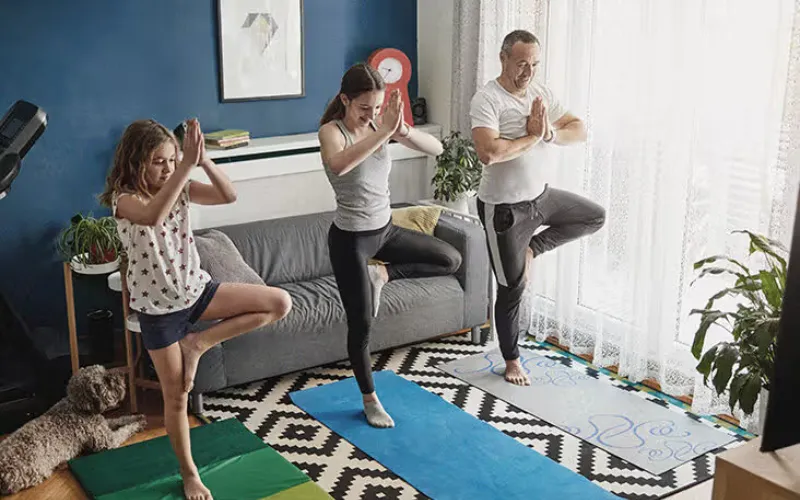
Regular exercise is one of the most effective ways to improve overall health and well-being. It benefits both the body and the mind, helping people stay active, reduce the risk of disease, and enjoy a better quality of life. Even simple activities such as walking, cycling, swimming, or stretching for 30 minutes a day can make a significant difference.
One of the biggest benefits of regular exercise is better heart health. Physical activity strengthens the heart, improves blood circulation, and helps lower blood pressure. It also reduces the risk of heart disease, stroke, and other cardiovascular conditions. Exercise can help maintain healthy cholesterol levels by increasing good cholesterol while lowering bad cholesterol.
Exercise also plays an important role in maintaining a healthy weight. It helps the body burn calories more efficiently and boosts metabolism. When combined with a balanced diet, regular physical activity can help prevent obesity and lower the risk of related health problems such as Type 2 diabetes and high blood pressure.
In addition to physical benefits, exercise has a positive impact on mental health. During physical activity, the body releases chemicals called endorphins, which help improve mood and reduce stress. Regular exercise can ease symptoms of anxiety and depression while increasing self-confidence and emotional well-being. Many people also find that staying active helps them sleep better and wake up feeling more refreshed.
Read more: How 20 minutes of nature can boost your health
Strong muscles and healthy bones are another advantage of regular exercise. Activities such as strength training, jogging, and resistance exercises help increase muscle strength, improve flexibility, and maintain bone density. This is especially important as people age because it reduces the risk of falls, fractures, and osteoporosis.
Regular physical activity also strengthens the immune system, making it easier for the body to fight infections and illnesses. It can improve energy levels by increasing oxygen flow throughout the body and helping muscles work more efficiently. As a result, people often feel less tired and more productive during the day.
Health experts recommend that adults get at least 150 minutes of moderate-intensity exercise each week. This can include brisk walking, cycling, dancing, or other activities that raise the heart rate. Children and teenagers should be active for at least 60 minutes every day.
Read more: Five best foods for hair growth
Making exercise a regular part of daily life does not require expensive equipment or a gym membership. Small lifestyle changes, such as taking the stairs, walking instead of driving short distances, or participating in outdoor activities, can have lasting health benefits. By staying physically active, people can improve their physical fitness, protect their mental health, and reduce the risk of many chronic diseases, leading to a healthier and happier life.