The Punjab government has proposed a new law to protect entertainers from the misuse of artificial intelligence (AI).
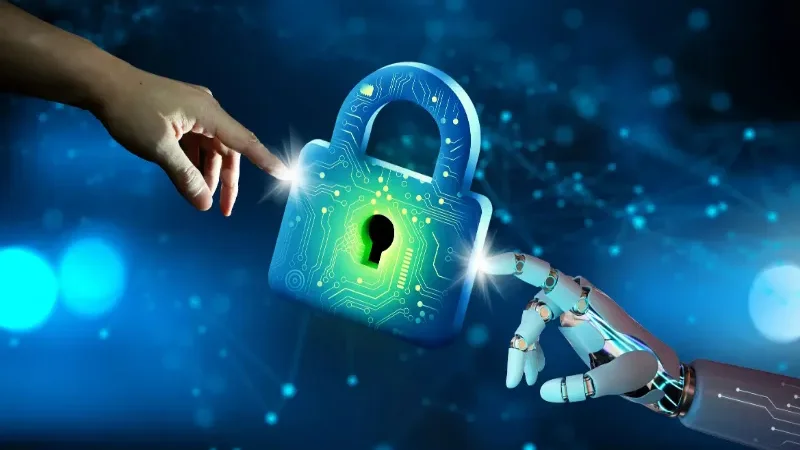
The proposed legislation is called the Punjab Performers Digital Identity and Artificial Intelligence (AI) Protection Act, 2026. It aims to protect artist voices, faces, likenesses, and other digital identities from being used without permission.
Under the proposed law, a performer voice, face, and digital identity would be treated as protected intellectual property. As a result, no one would be allowed to create AI generated copies of an artist without clear consent.
The law would also ban voice cloning, deep fakes, fake endorsements, political messages, and digital replicas created without approval from the performer.
In addition, producers, studios, and other organizations would be required to obtain voluntary and explicit consent before using AI to create or reproduce a performance.
They would also need to clearly inform audiences whenever AI is used in content production. Furthermore, performers would have the right to receive separate compensation for any work created through AI technology.
The draft law proposes strict penalties for violations. Anyone found guilty could face up to three years in prison and fines worth millions of rupees.
Punjab wants AI deepfakes of artists to become a criminal offence, with up to 3 years in jail and fines worth millions of rupees under a proposed new law 🧵
— ProPakistani (@ProPakistaniPK) June 13, 2026
The government also plans to establish a digital rights registry and a regulatory system to protect performer’s rights over the long term.
Special protections have been included for young performers under the age of 18. The bill also protects the digital identities of deceased artists for 25 years after their death. These measures are designed to prevent the misuse of their images, voices, and likenesses.
The proposed legislation comes after growing concerns within Pakistan entertainment industry about AI related contract clauses.
Actress Hira Tareen recently revealed that she had reviewed a contract that allowed the indefinite transfer of ownership of her digital likeness, including her voice, face, and gestures. Her statement sparked widespread concern among artists. Many performers said they had seen similar conditions in contracts they had signed in recent years.