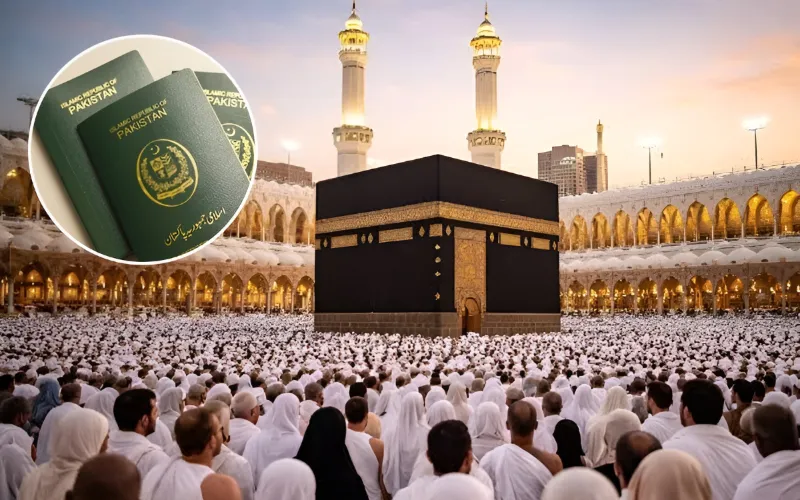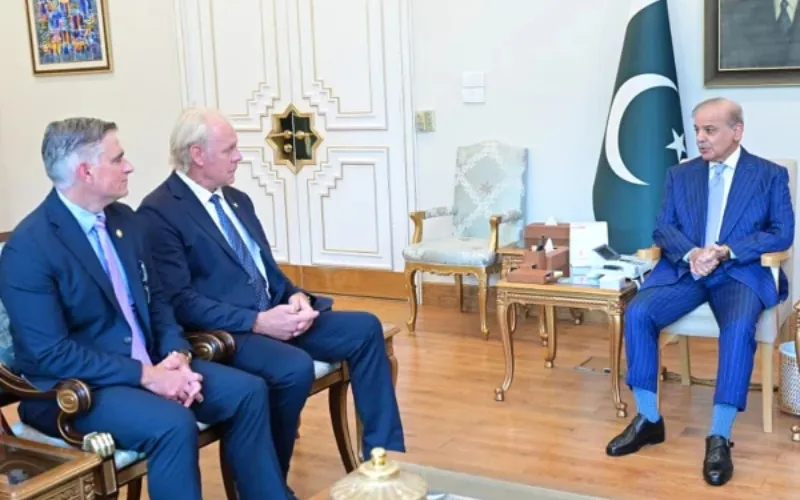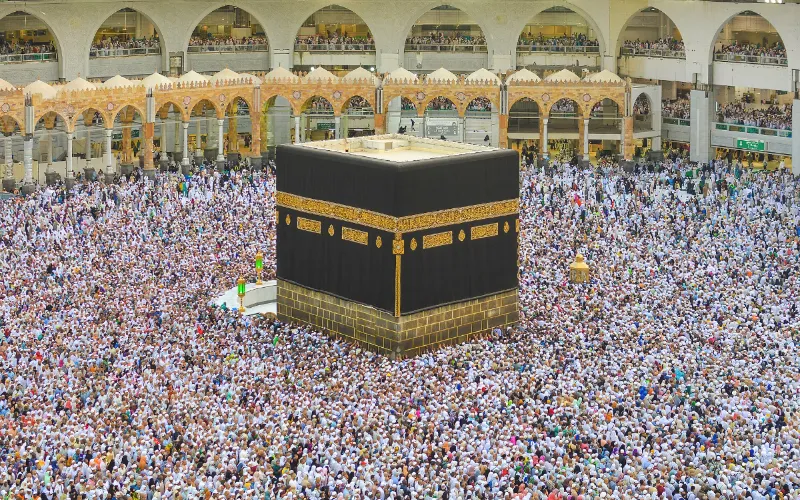
Federal Minister for Religious Affairs Sardar Muhammad Yousuf introduced Pakistan’s first four-year Hajj policy for 2027-30, aimed at improving transparency, digital governance, accountability, merit and services for pilgrims.
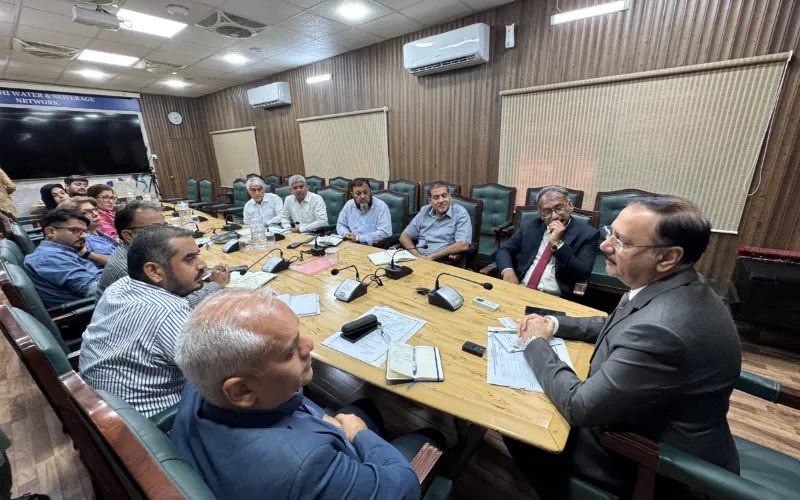
Speaking at a news conference in Islamabad, the minister said the new policy marks the beginning of long-term reforms in Pakistan’s Hajj management system.
For the first time, pilgrims will be able to choose the year they want to perform Hajj through a four-year registration and waiting list system.
He said the government will be able to sign three to four year contracts for accommodations, transportation, catering, air travel and cargo services, a move expected to improve service quality while reducing costs.
Sardar Yousuf said every stage of the Hajj process, from registration to complaint resolution and post-Hajj reviews, will be managed through a fully digital system.
He said the quota for the government and private Hajj schemes will remain 60% and 40%, respectively, from 2027 to 2030, unless the federal Cabinet decides otherwise.
The minister said the government’s role will gradually shift from directly managing Hajj operations to serving as a regulator, monitor and quality assurer, while the private sector’s role will expand.
He said pilgrims will be able to register for their preferred Hajj year by depositing an estimated 10% of the total Hajj cost at the time of registration.
According to the minister, pilgrims will be selected on a first-come, first-served basis through a transparent digital waiting list.
He added that the Government Hajj Scheme will introduce multiple Hajj packages of varying durations, allowing pilgrims to choose the option that best suits their needs.
Sardar Yousuf said all procurement and contracts will be awarded transparently in accordance with government procurement rules in both Pakistan and Saudi Arabia.
He also said that if any funds remain after Hajj operations are completed, they will be refunded to the pilgrims.
The minister said both government and private Hajj arrangements will be independently reviewed by a third party to help improve service quality.
He added that private Hajj companies will be registered and monitored based on their performance and compliance with prescribed service standards rather than quota allocation alone.
Sardar Yousuf announced that all private Hajj companies will be required to use the Private Hajj Management Portal (PHMP), through which bookings, payments, monitoring and audits will be conducted digitally.
He said all Hajj payments will be made only through government-designated banking channels to ensure transparency and financial security.
The minister also announced a modern digital complaint management system, along with effective monitoring and a formal appeals process, to ensure complaints are resolved promptly.
He said the Cabinet Committee will introduce a merit-based system for selecting Hajj assistants to ensure the most qualified individuals are appointed.
The minister added that Hajj training will be further enhanced and will include guidance on Hajj rituals, mobile applications, health, emergency management and Saudi laws.
He said the Hajj Protector Scheme will continue under the new policy, providing financial assistance in cases of death, accidents or emergency evacuation during Hajj.
Sardar Yousuf also announced that an emergency management system and a dedicated emergency response team will be established to deal with emergencies during Hajj.
He said the new Hajj policy has been aligned with Saudi Vision 2030 and international standards to ensure transparency, digital governance, accountability and improved facilities for pilgrims.
Expressing confidence in the policy, the minister said the four-year framework will improve long-term planning and strengthen the confidence of millions of pilgrims by bringing Pakistan’s Hajj arrangements in line with international standards.