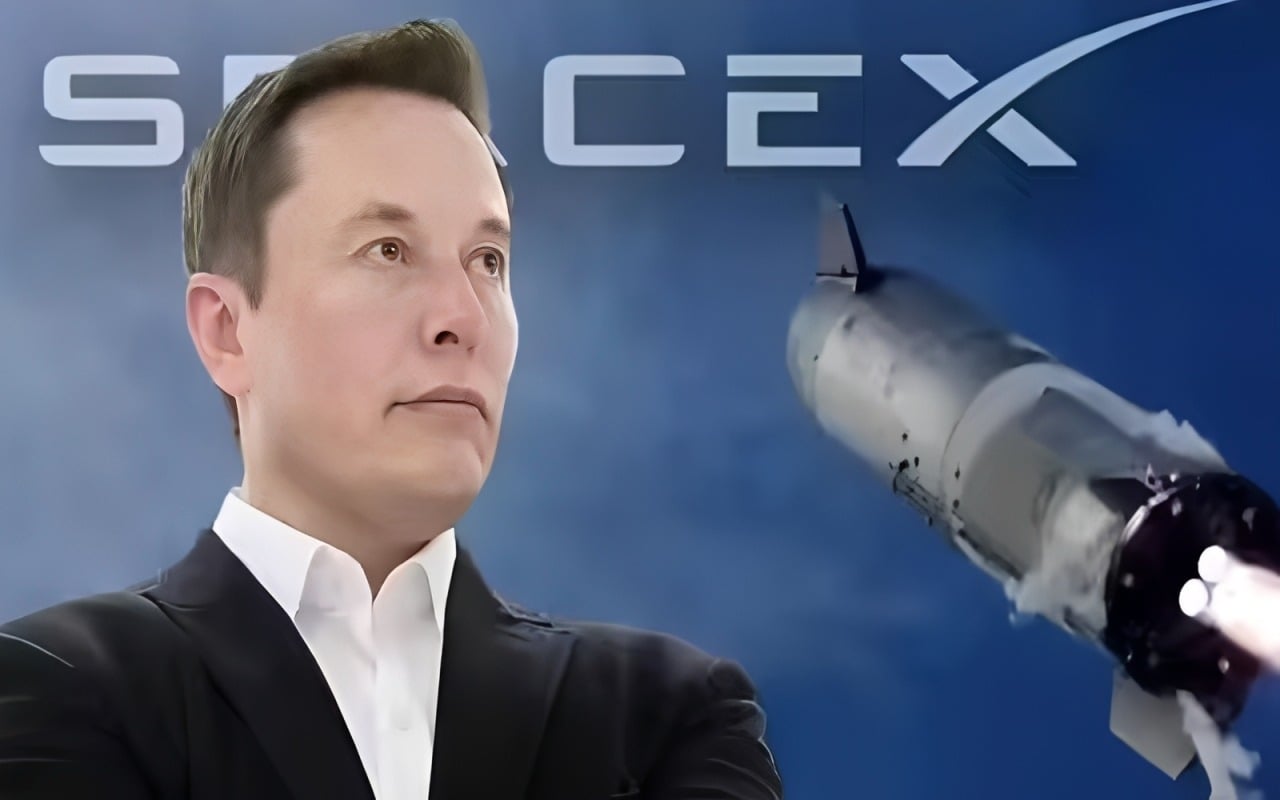
Elon Musk’s SpaceX has announced plans to go public in the United States, marking what could become one of the largest initial public offerings in Wall Street history.
The IPO, expected to trade under the ticker “SPCX,” may launch as early as next month, allowing public investors to buy shares in the company for the first time.
Market estimates suggest SpaceX could reach a valuation of up to $1.25 trillion, potentially significantly boosting Elon Musk’s personal wealth. Musk, already among the world’s richest individuals, could see his financial standing rise further as a result of the listing.
According to filing data, SpaceX generated $18.6 billion in revenue last year but recorded a net loss of $4.9 billion. In the first quarter of this year, the company reported $4.7 billion in sales alongside a $4.3 billion loss.
The company’s financial disclosures show $102 billion in assets, including rockets and space infrastructure, while total liabilities stand at $60.5 billion. Analysts note that large-scale losses are common in capital-intensive space ventures during periods of rapid expansion.
Despite financial pressures, SpaceX continues to maintain a dominant position in the global rocket launch and Starlink satellite internet markets.
The filing also highlights potential legal exposure exceeding half a billion dollars, linked to multiple ongoing lawsuits. These include allegations involving AI-generated content through the Grok chatbot, copyright disputes, data breach claims, and regulatory challenges in the European Union.
In addition, SpaceX has entered a major commercial agreement with AI company Anthropic, under which it will receive approximately $15 billion annually in exchange for providing data center and computing infrastructure services.
The IPO comes at a time when Musk’s broader technology empire is facing increased regulatory scrutiny, intense competition in the AI sector, and ongoing legal disputes. SpaceX’s Starship program remains central to its long-term strategy, though it has also faced operational and safety-related criticism.