LONDON: The idea that “opposites attract” may create early excitement in relationships, but experts warn that deeper differences in values and lifestyle can eventually lead to serious conflict and, in some cases, separation.
Psychotherapist and performance coach Rebecca P. Fox says people are often drawn to traits they feel they lack themselves, which can make relationships feel exciting at first but challenging later on.
“We are often attracted to qualities in others that are less developed in ourselves,” Fox explained. “A structured person may admire spontaneity, while an introvert may be drawn to an extrovert’s energy. However, these differences can become difficult to manage long-term.”
A study of more than 18,000 couples also found that incompatibility in core values is linked to lower relationship satisfaction and a higher likelihood of breakups.
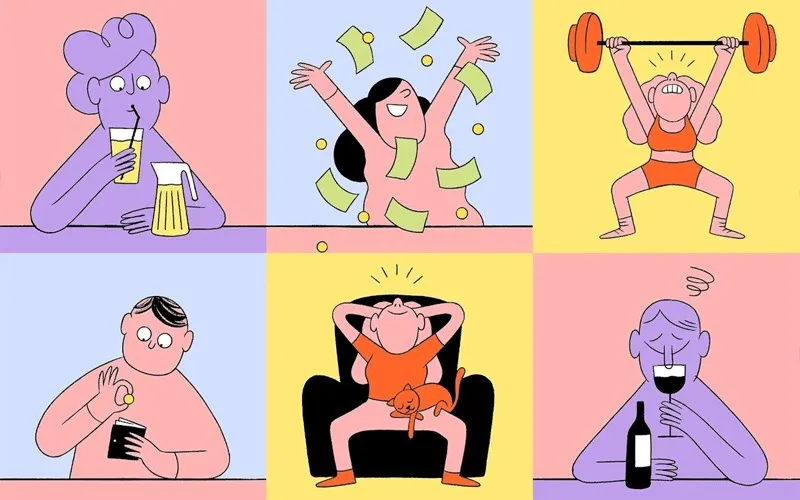
Experts say financial habits are one of the most common sources of tension in relationships.
Differences between a saver and a spender can create ongoing stress, especially when spending patterns are shaped by childhood experiences and financial insecurity.
Fox says couples who openly discuss budgets and make shared financial plans are more likely to manage these differences successfully.
Major changes in habits, such as alcohol consumption, can also disrupt relationship dynamics.
Experts note that shifts in drinking behaviour may lead to feelings of judgment, rejection, or emotional distance between partners.
Fox recommends open communication and in some cases, professional counselling to help couples rebuild understanding and trust.
Differences between introverted and extroverted personalities can either balance or strain a relationship depending on how they are managed.
Experts say problems arise when one partner feels pressured to change or when time apart is misunderstood as emotional rejection.
Healthy relationships, they add, respect individual social needs while maintaining shared connection.
Mismatched sleep schedules, such as early risers and night owls, can also affect emotional closeness and intimacy.
Research suggests that couples who go to bed together often report higher relationship satisfaction.
Experts recommend maintaining shared routines, such as regular date nights, to strengthen connection despite different schedules.
Conflicting attitudes toward diet and exercise can also create emotional distance in relationships.
Experts warn that judgment or pressure around lifestyle choices may damage respect and increase insecurity between partners.
Fox highlights the importance of support rather than criticism, encouraging couples to influence each other positively instead of forcing change.
Experts say having different hobbies or entertainment preferences is not a problem as long as couples maintain shared activities.
However, criticism of a partner’s interests can lead to withdrawal and reduced emotional connection.
They advise focusing on shared experiences and communicating needs in a respectful way.
Experts conclude that while differences between partners can initially create attraction, unmanaged mismatches in values, habits, and lifestyles can strain relationships over time.
Long-term success, they say, depends on communication, acceptance, and mutual respect rather than complete similarity.