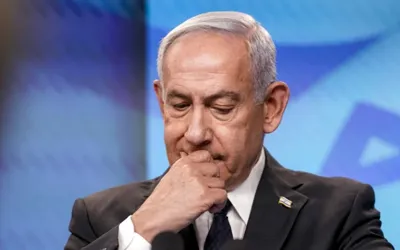
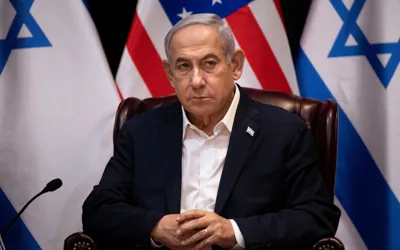
JERUSALEM: After three years of navigating genocide, crisis and global outcry, Israeli Prime Minister Benjamin Netanyahu is facing one of the most significant electoral tests of his decades-long political career.
As Israelis go to the polls Tuesday, Netanyahu’s party is neck and neck with former Israel Defense Forces Chief of Staff Gadi Eisenkot, who has emerged as his strongest rival in a campaign that has revolved around everything from Israel’s security and military conscription to bread-and-butter issues like the economy.
Bibi, as he’s commonly called, has led Israel for nearly 19 of the past 30 years, with security for many years a core part of his pitch to voters. The 77-year-old has survived political defeats before, only to come back stronger, but a groundswell of opposition could make this one of the most formidable challenges of his political career.
For much of the past few months, the two top coalitions have been neck and neck. But the latest polling by Israel’s Wala news shows Eisenkot’s party, Yashar, pushing ahead, winning 23 seats compared to Netanyahu’s Likud winning 19.
The election is about more than just political survival for Netanyahu. It’s also about his personal freedom. Netanyahu is seeking re-election while also facing long-running criminal cases domestically on charges of fraud, breach of trust and bribery, allegations he has dismissed as a politically motivated witch-hunt.
His grip on power affords him political privileges that have allowed him to drag out those cases, but that could change if he is voted out of power. Critics have derisively accused him of running to stay out of jail.
Netanyahu goes into the election as both the leading candidate and one of the biggest issues dividing voters. His actions before, during and after the Oct. 7 attacks have driven much of the debate.
Netanyahu’s opponents, particularly Eisenkot, 66, have rallied around calls for an independent commission of inquiry to investigate the attacks, which Netanyahu has opposed.
Various critics accuse Netanyahu of helping to keep Hamas in power in Gaza in the years before Oct. 7, of prioritizing the fight against Hamas over rescuing Israeli hostages in the wake of the attacks, and of alienating Israel from much of the world with his actions since. Last month, he threatened to sue Israeli newspaper Haaretz over a report that he had been warned about Oct. 7 ahead of time.
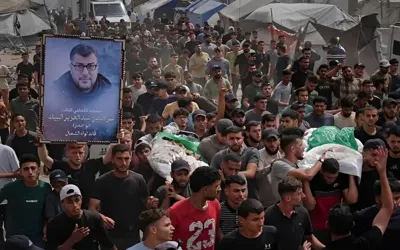
Netanyahu has staunchly defended his conduct and the genocide in Gaza, which has left about 74,500 people dead since Oct. 7, according to figures from the Palestinian Ministry of Health. He goes into the election facing an arrest warrant from the International Criminal Court on charges of war crimes and crimes against humanity.
Eisenkot, who served in Netanyahu’s war Cabinet in the opening months of the war, has criticized strategic failures and supports a long-term cease-fire.
A key dividing line ahead of the election has been the compulsory conscription of the strictly orthodox Haredi Jews into the Israeli military. For generations, Israeli law has given leave to Haredi men to study scripture instead of military service, which is mandatory for other 18-year-olds. Many Israelis now want to end the exemption for a group that now accounts for nearly 15% of Israel’s population.
While the tumultuous events of the last few years have dominated the headlines, many Israelis also will vote on bread-and-butter issues that Americans will find familiar: education, health care, crime, transportation and, above all, inflation. Israel’s still-thriving tech boom has left out huge portions of the population, particularly the young, who are being squeezed by soaring prices.
Palestinian-Israeli voters in Israel will also cast votes with an eye on the rising scourge of organized crime in their communities that has caused a spike in violent deaths over the past few years.
The vast majority of Palestinians in the West Bank and the Gaza Strip are not Israeli citizens and are not able to vote in the election.
No one Israeli party can expect to earn a majority of the Israeli Knesset’s 120 seats. That’s never happened in Israeli history. Israel’s leadership will instead be decided by negotiations to build a governing coalition.