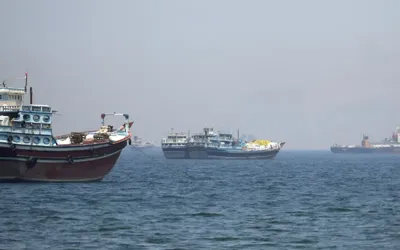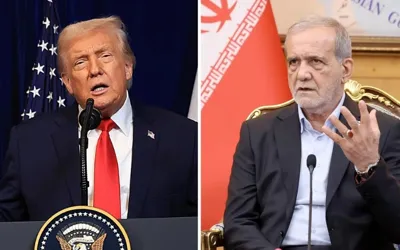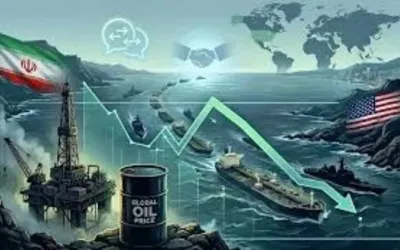
WASHINGTON: The United States and Iran held separate talks with mediators Monday in a fresh diplomatic push to end their seven-month war, with a possible ceasefire and reopening the Strait of Hormuz at the center of discussions.
Further talks are expected to focus on an amended version of a seven-day proposal Iran presented last week on the sidelines of the United Nations General Assembly, according to an official briefed on the negotiations.
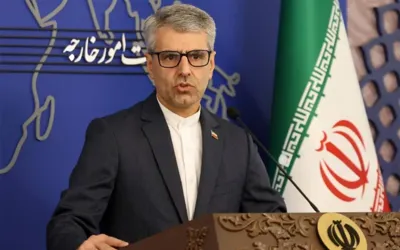
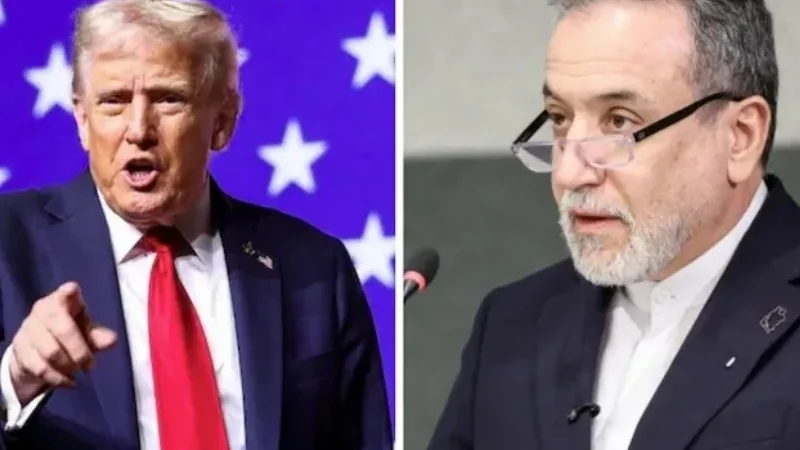
Iranian Foreign Minister Abbas Araqchi, who remained in New York after attending the General Assembly, said Tehran was awaiting Washington’s response to its latest proposal and its conditions for restoring maritime traffic through the Strait of Hormuz.
“If the Americans claim they are seeking an agreement or a peaceful solution, we have presented that solution,” Araqchi said, according to Iran’s state news agency IRNA.
U.S. President Donald Trump said Monday that American officials had spoken separately with mediators but gave no further details. He has indicated that further negotiations could take place this week.
What Iran is proposing
Iran’s seven-day plan calls for an end to hostilities in Iran and Lebanon, the unfreezing of billions of dollars in Iranian assets, an end to sanctions on Iranian oil and the lifting of the U.S. blockade on Iranian ports.
In return, Iran would allow the Strait of Hormuz to reopen, restoring a key route for global oil shipments. The proposal also calls for renewed talks on Iran’s nuclear program and the issue of its highly enriched uranium.
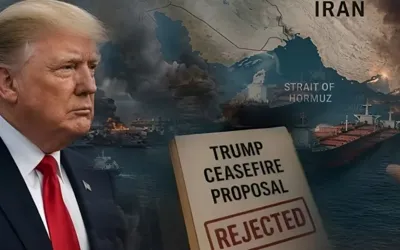
Trump said Saturday that he had rejected Iran’s proposal, arguing that Tehran was seeking a quick agreement because of economic pressure. He later said U.S. negotiators would continue talks this week.
Araqchi said Sunday that mediators had not formally conveyed a U.S. rejection and that Tehran was waiting for Washington’s definitive position before deciding its next steps.
“Our conditions are clear, and any move toward reopening the Strait of Hormuz is contingent on these conditions being met,” Araqchi said, adding that the impasse could only be resolved through negotiations.
Previous ceasefires collapsed
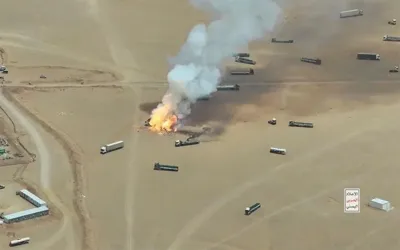
The war began in late February with U.S. and Israeli attacks on Iran and has killed thousands of people, according to Reuters. The conflict has also disrupted oil shipments through the Strait of Hormuz and rattled global energy markets.
The United States and Iran previously reached ceasefire agreements through mediated talks in April and June, but both agreements later broke down.
The latest diplomatic effort comes as both sides face pressure to find a negotiated path toward ending the conflict and restoring stability to a critical global energy corridor.