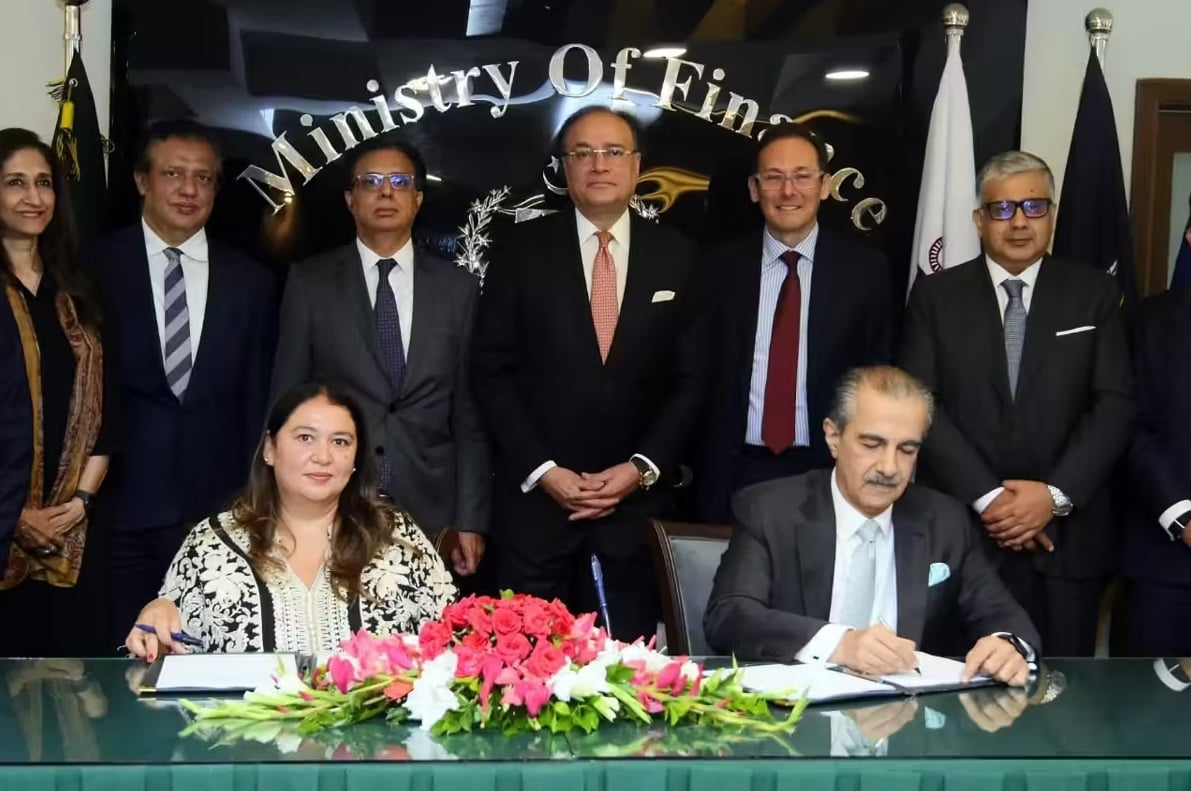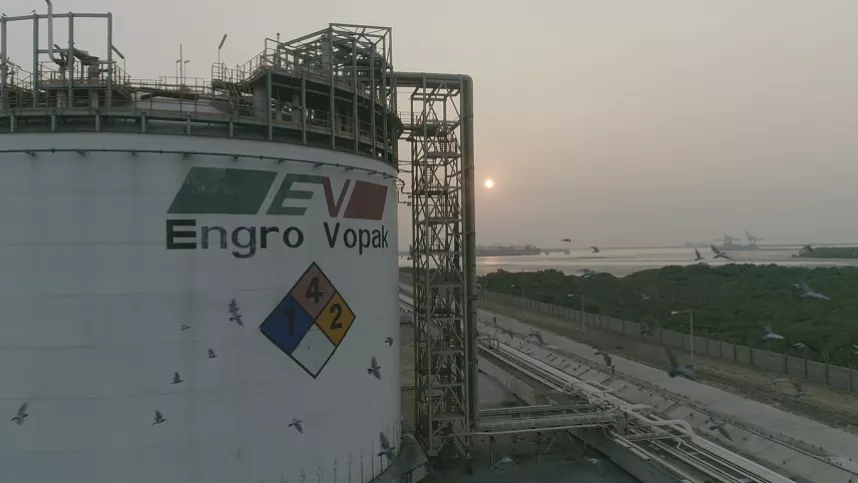
KARACHI: Engro Vopak Terminal Limited, Pakistan’s leading chemical and gas terminal operator, has partnered with S&P Global Energy to conduct a feasibility study for expanding the country’s liquefied petroleum gas infrastructure, the companies announced Tuesday.
S&P Global Energy is a global provider of energy market intelligence and advisory services. The partnership builds on Engro Vopak’s three decades of developing energy infrastructure in Pakistan and marks a step toward bolstering the country’s energy security, the company said.
Pakistan’s reliance on LPG has grown in recent years amid rising energy demand and declining domestic gas production, increasing the need for stronger import and storage infrastructure. LPG consumption has climbed steadily over the past decade as households, businesses and industries turn to the fuel to meet their energy needs, according to Engro Vopak. Current market assessments show Pakistan could face a significant LPG supply gap in the coming years, the company said, making large-scale infrastructure investment critical for long-term energy security.
As part of the study, Engro Vopak Terminal Limited will evaluate development of Pakistan’s first refrigerated LPG import and storage infrastructure, aimed at strengthening the country’s LPG supply chain. The proposed project would improve access to global LPG markets, allow for larger cargo volumes, expand storage capacity and create a more resilient and flexible supply chain, the company said.
Syed Ammar Shah, CEO of Engro Vopak and Engro Elengy Terminal Limited, said strengthening LPG supply chains and expanding access to global markets will become increasingly important as Pakistan’s energy landscape evolves.
“By combining the global expertise of Royal Vopak of Netherlands with Engro’s engineering skills and understanding of local market dynamics, we are well-positioned to develop infrastructure that will enhance energy security and support sustainable economic growth,” Shah said.
He added that many mature economies have already adopted refrigerated LPG infrastructure, and the study offers an opportunity to evaluate how Pakistan can align with global practices while strengthening its long-term energy resilience.
LPG Growth Trends in Pakistan
Pakistan’s LPG sector has grown at an average annual rate of about 0.5% over the past three decades, according to data from the Hydrocarbon Development Institute of Pakistan (HDIP). Imports began climbing in 1993, rising 16.6%, even as domestic production fell 16.84% during the same period.
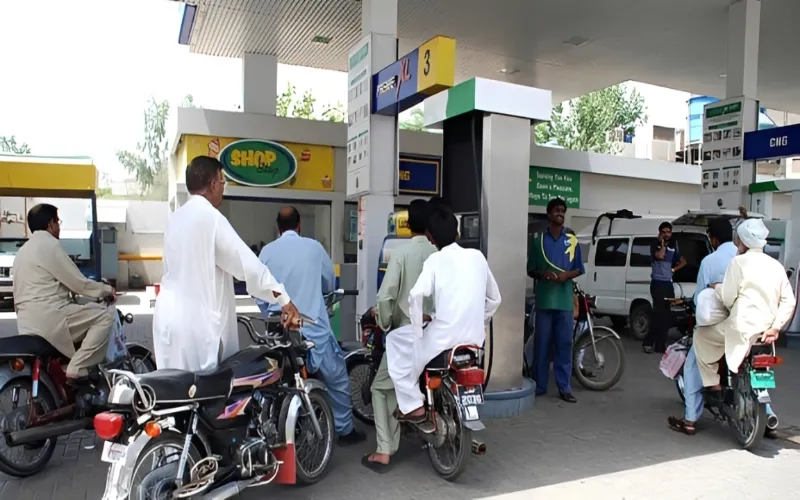
LPG has become an important fuel across Pakistan’s domestic, commercial and industrial sectors. Total consumption has reached 1.29 million tons of oil equivalent, with notable increases in the commercial, domestic and industrial sectors. Over the same period, the national economy has expanded significantly, with GDP rising to $346.34 billion, driven largely by industrialization and social growth since 2000.
Domestic LPG production has declined at times, notably from 2009 to 2013 and again in 2020, due to the depletion of the Dhodak gas field and disruptions linked to the COVID-19 pandemic, according to the Pakistan Economic Survey 2021. Output has also been affected periodically by plant shutdowns for annual maintenance and technical issues, including problems with refrigeration systems and high line back pressure.
As demand continues to rise, both production and imports have increased, underscoring the need for continued investment in production capacity to keep pace with consumption growth. Pakistan currently has 11 LPG producers and 216 marketing companies, supported by more than 7,000 authorized distributors, with LPG contributing about 1.3% to the country’s overall fuel mix, according to HDIP data.