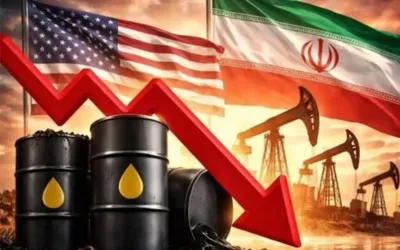
NEW YORK: Oil prices rose Tuesday after four sessions of losses as investors watched for possible U.S.-Iran talks at the United Nations General Assembly and monitored global crude supplies.
Brent crude futures for November gained $1.14, or 1.1%, to $101.48 a barrel. October West Texas Intermediate futures rose 87 cents, or 0.9%, to $96.65, while the more actively traded November contract climbed 85 cents, or 0.9%, to $93.22.
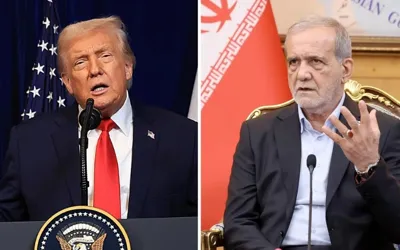
Investors are closely following diplomatic developments in New York, where Iranian President Masoud Pezeshkian is expected to attend the U.N. General Assembly. President Donald Trump has said he is open to meeting Pezeshkian, while Washington and Tehran exchanged threats over the weekend.
Iran has also conveyed conditions to mediators for returning to negotiations, according to reports cited by Reuters.
Tim Waterer, chief market analyst at KCM Trade, said the latest price increase appeared to be a short-covering rebound rather than a major shift in the market.
He said oil prices could remain sensitive to political developments until there is clearer progress or a setback in U.S.-Iran diplomacy.
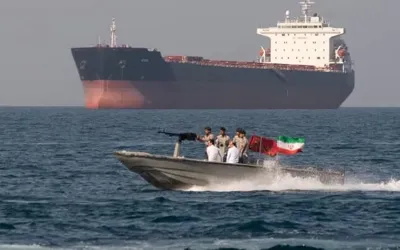
Supply concerns have eased as Saudi Arabia increases crude shipments through the Strait of Hormuz following disruptions to its East-West pipeline.
Saudi Aramco loaded about 14 million barrels of crude onto seven supertankers in the Gulf on Sunday, according to tanker-tracking data.
The increased shipments have helped offset some disruption to exports through Yanbu and reduced immediate concerns over a broader supply shortage.
Saxo Bank analysts said crude supply concerns were easing as shipments through Hormuz reached a six-month high, although market volatility remained elevated.
Oil markets are also watching the escalating conflict involving Yemen’s Iran-backed Houthis and Saudi-backed forces.
The Houthis have claimed attacks on Riyadh and a Saudi Aramco facility in Yanbu while intensifying their campaign along Yemen’s Red Sea coast. The developments have raised concerns over shipping security in a region that includes major routes for global energy trade.
China has privately urged Tehran to help curb Houthi attacks after Saudi Arabia appealed to Beijing, according to three Iranian sources cited by Reuters.
A separate supply concern emerged in Libya after an armed group closed a valve on the pipeline carrying crude from the Sharara oilfield to the Zawiya port, according to Libya’s National Oil Corporation.
Production at the field has fallen by about 200,000 barrels per day and is currently estimated at 100,000 to 105,000 barrels per day, according to two engineers cited by Reuters.
The latest developments leave oil markets balancing improved Saudi export flows against geopolitical tensions and fresh disruptions to crude production.