Anxiety disorders affect millions of adults in the U.S., with around 40 million experiencing some form of anxiety. For mild anxiety or as a complement to traditional treatment, alternative approaches can help reduce symptoms and improve overall well-being.
1. Adjust Your Lifestyle
Limit caffeine: Too much caffeine can increase anxiety and nervousness. Even 200 mg per day (about two cups of coffee) may trigger symptoms in sensitive individuals.
Avoid alcohol and nicotine: While these substances might temporarily ease anxiety, they can ultimately worsen symptoms and increase mental distress.
Eat a balanced diet: Nutrition plays a key role in mental health. Focus on:
Plenty of fruits, vegetables, lean proteins, and healthy fats
Avoiding processed foods and high-sugar items
Eating regular meals to prevent low blood sugar
Drinking 6–8 glasses of water daily
Exercise regularly: Even short bouts of aerobic activity like a 5–10 minute brisk walk can reduce stress and improve mood.
Prioritize sleep: Aim for 6–8 hours of quality sleep each night. Support your sleep with consistent routines, exposure to natural light, limited screen time before bed, and a cool, dark sleeping environment.
2. Practice Relaxation Techniques
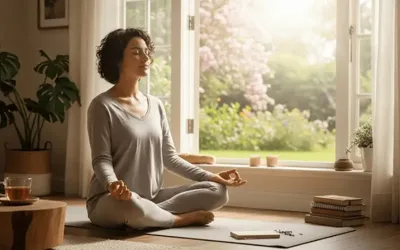
Meditation: Meditation can change how you respond to stress and may improve sleep, anxiety, and overall mental health.
Breathing exercises: Learning to control your breathing can prevent hyperventilation and calm the nervous system during stressful events.
Yoga: Combining meditation, breathing, and stretching, yoga has been shown to reduce anxiety and improve mood, stress, and overall well-being.
3. Consider Supplements (with Caution):
Some herbs and nutrients may support anxiety management but should not replace prescribed treatment.
Vitamin B12 – Supports nervous system health and may reduce anxiety symptoms.
Chamomile – May soothe anxiety; studies show long-term use can reduce symptoms.
Passionflower – Traditionally used for relaxation, though research is limited.
L-theanine – Found in green and black tea; may reduce stress-related symptoms.
Omega-3 fatty acids – Can help reduce anxiety symptoms according to research.
Essential oils like lavender, chamomile, and valerian may provide calming effects when diffused.
CBD products may help relieve anxiety in some people, but research is limited and regulation is minimal. Always choose reputable brands.
Key Takeaways:
Alternative therapies can help reduce anxiety and improve overall health.
Lifestyle changes, relaxation techniques, and certain supplements may be beneficial.
Always consult your doctor before starting new treatments, especially if you have an existing anxiety disorder.