On February 28, a 40-day period of U.S.-Israeli attacks on Iran began, met with Iranian retaliations that spread across the region and carried global repercussions particularly affecting energy routes and the Strait of Hormuz.
According to the reports, conflict triggered a sharp surge in global energy costs, threatening the stability of international markets. By April, intensified diplomatic efforts began to carve out a path toward a ceasefire.
📍US-Israel-Iran War: Path to ceasefire
→ February 28 saw the start of 40 days of US-Israeli attacks on Iran, along with Iran’s retaliations, spread across the region, with global repercussions particularly via energy routes and the Strait of Hormuz
→ The conflict triggered a… pic.twitter.com/3A5gOrZmbR
— Anadolu English (@anadoluagency) April 8, 2026
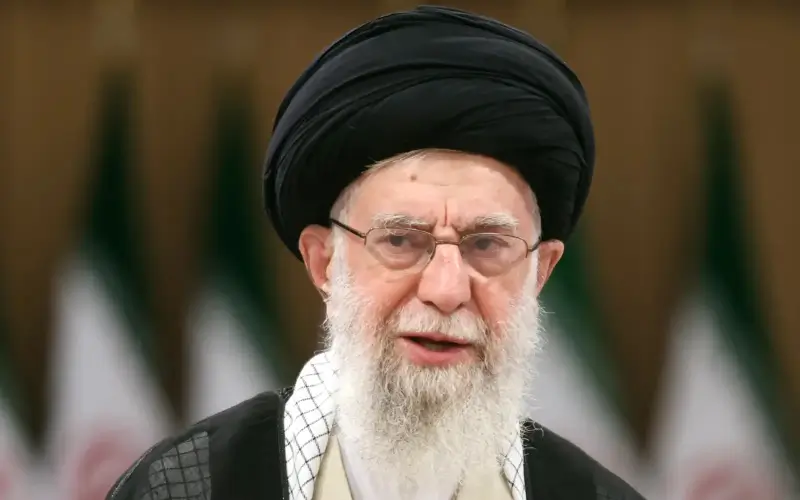
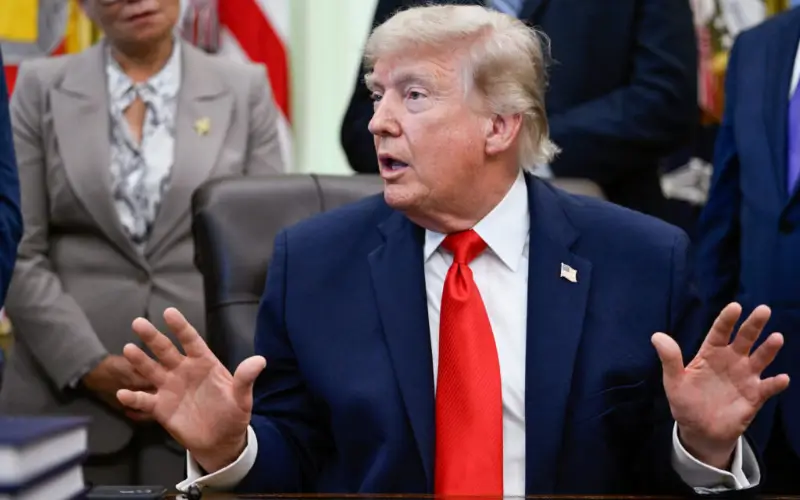
In early April, tensions escalated further when U.S. President Donald Trump warned of potential strikes on critical Iranian infrastructure. Tehran responded firmly, rejecting external pressure while signaling it would not yield to threats.
Despite the rising strain, diplomatic activity quietly gained momentum. Regional actors started coordinating ceasefire proposals, emphasizing the need for a long-term solution rather than a temporary de-escalation.
A breakthrough came on April 7, when last-minute negotiations reportedly supported by Turkey and Pakistan helped prevent further escalation. Mediation efforts intensified, ultimately leading to an agreement on a two-week ceasefire.
A key condition included discussions on reopening the Strait of Hormuz, a vital global oil route.
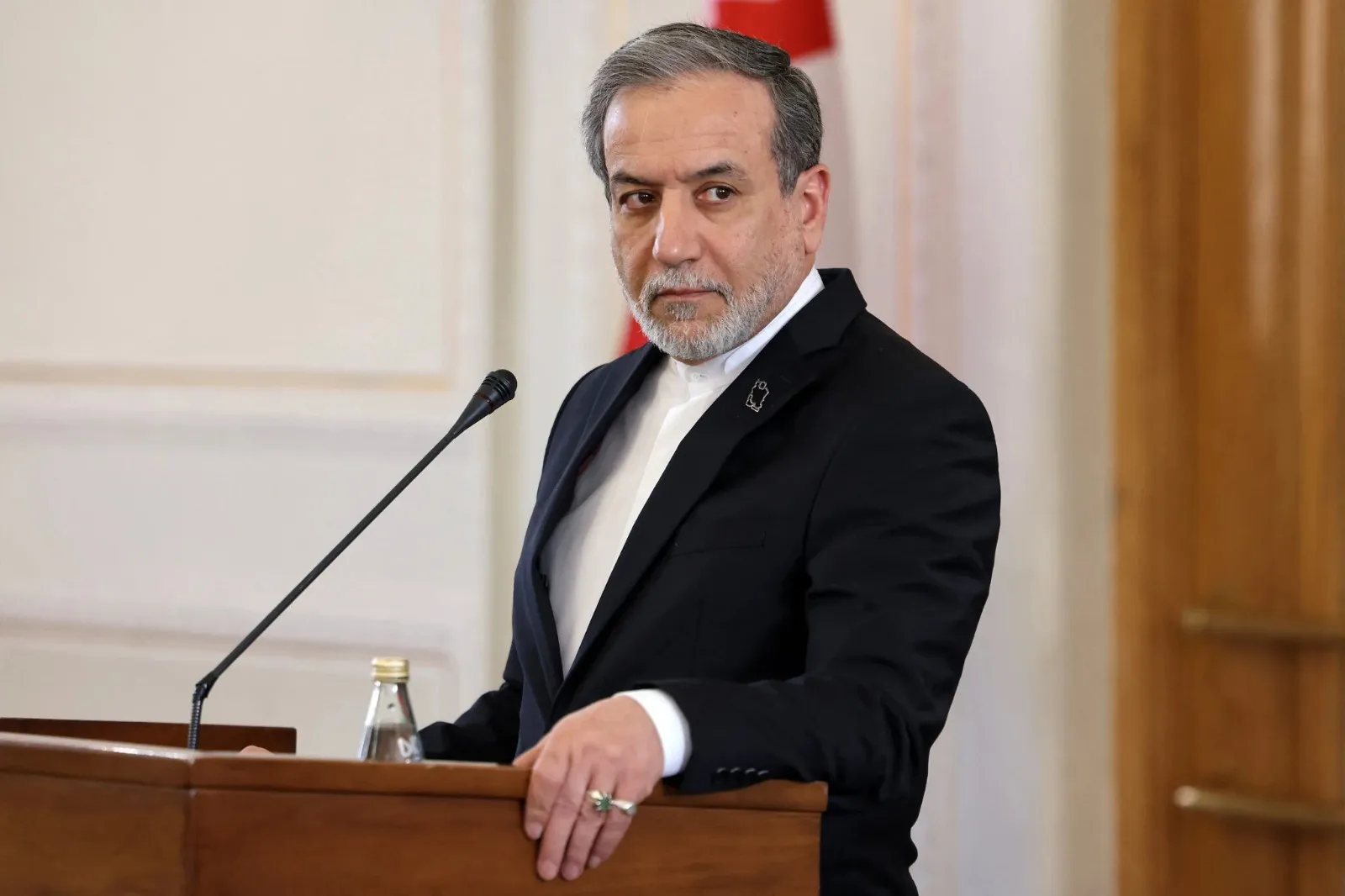
Iran indicated it would use this pause to review terms and prepare for further negotiations, expected to take place in Islamabad. Meanwhile, Israel, while accepting the temporary ceasefire.
As global attention turns to Pakistan’s capital, the coming days will determine whether this pause evolves into a lasting resolution or merely delays further conflict.